“We must give the child the possibility to realize himself, to understand and to use his own language and the languages of others.”
MARIA MONTESSORI
Maria Montessori’s First Work with Children: A Revolutionary Beginning
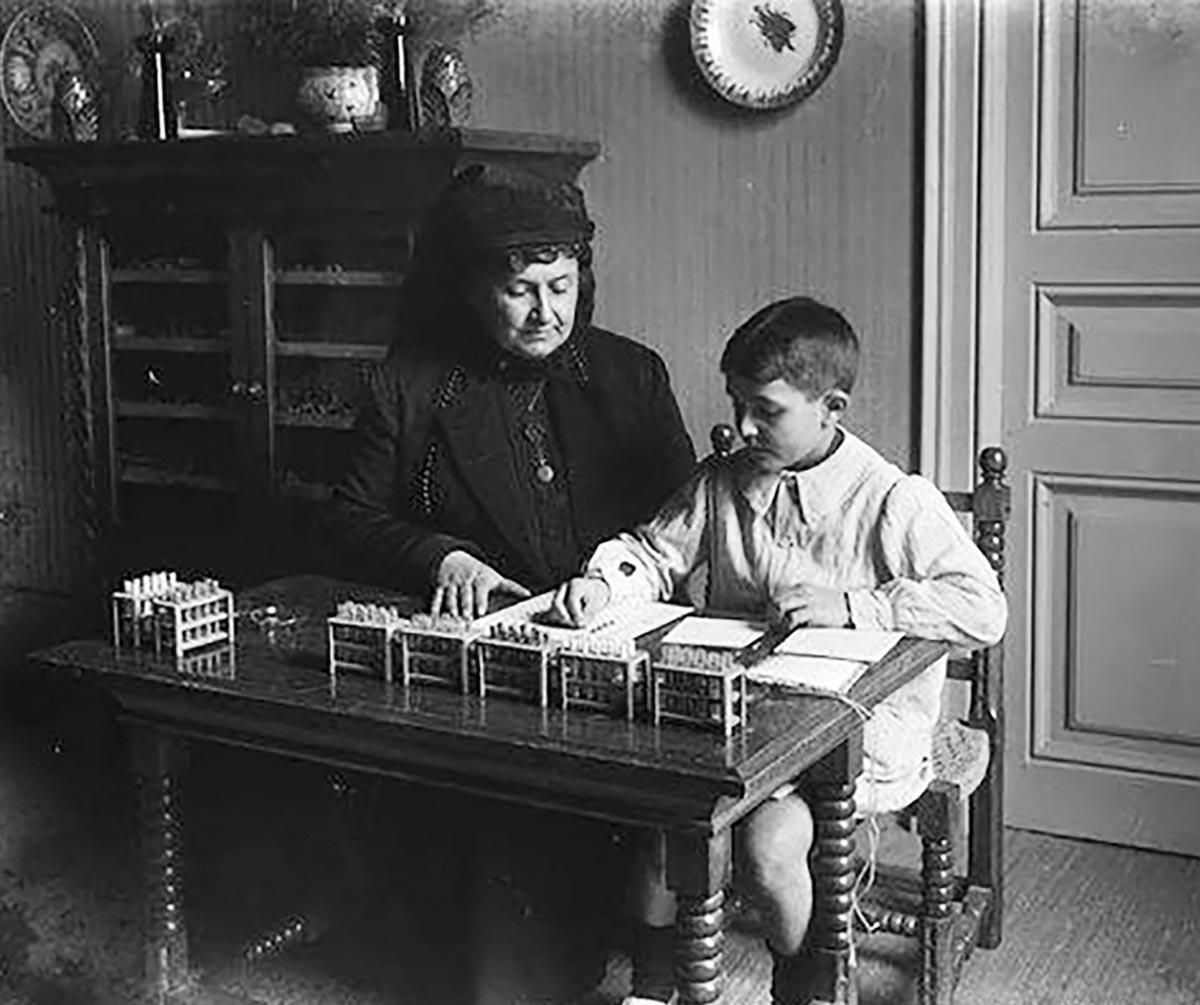
Maria Montessori’s journey into education didn’t begin in a classroom—it began in a psychiatric clinic. After earning her medical degree in 1896 (a groundbreaking achievement for a woman in Italy at the time), Montessori began working with children who were labeled as “mentally deficient” and confined to institutions. What she saw deeply moved her. These children were not receiving education or stimulation; they were often treated as if they were incapable of learning.
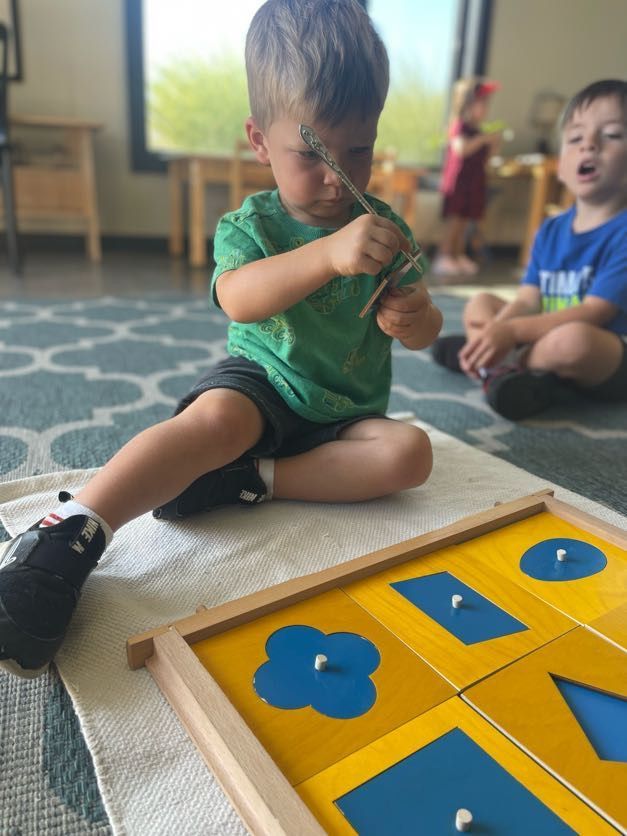
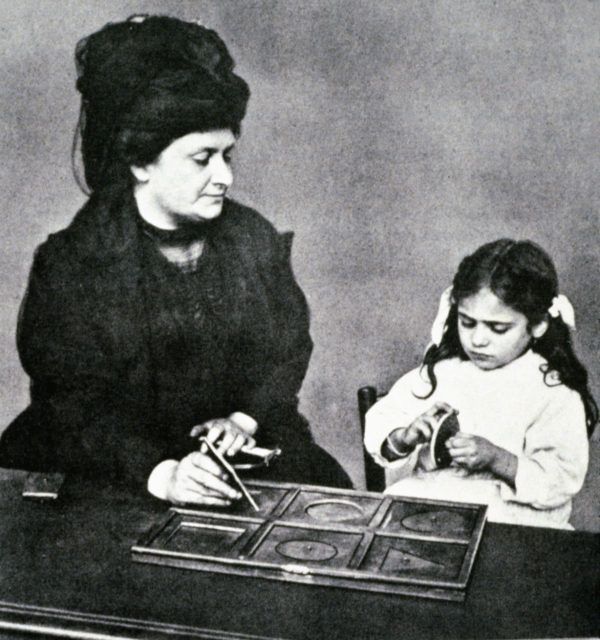
Montessori, drawing on her scientific training, began observing the children closely. She noticed something profound: when given tactile, hands-on materials—such as puzzles, letters, and everyday objects—they were eager to engage. They showed focus, joy, and improvement in their development. Inspired by the work of French physicians Itard and Séguin, Montessori developed her own materials and methods rooted in the idea that children learn best through their senses and through purposeful activity.
This early work laid the foundation for what would become the Montessori Method.
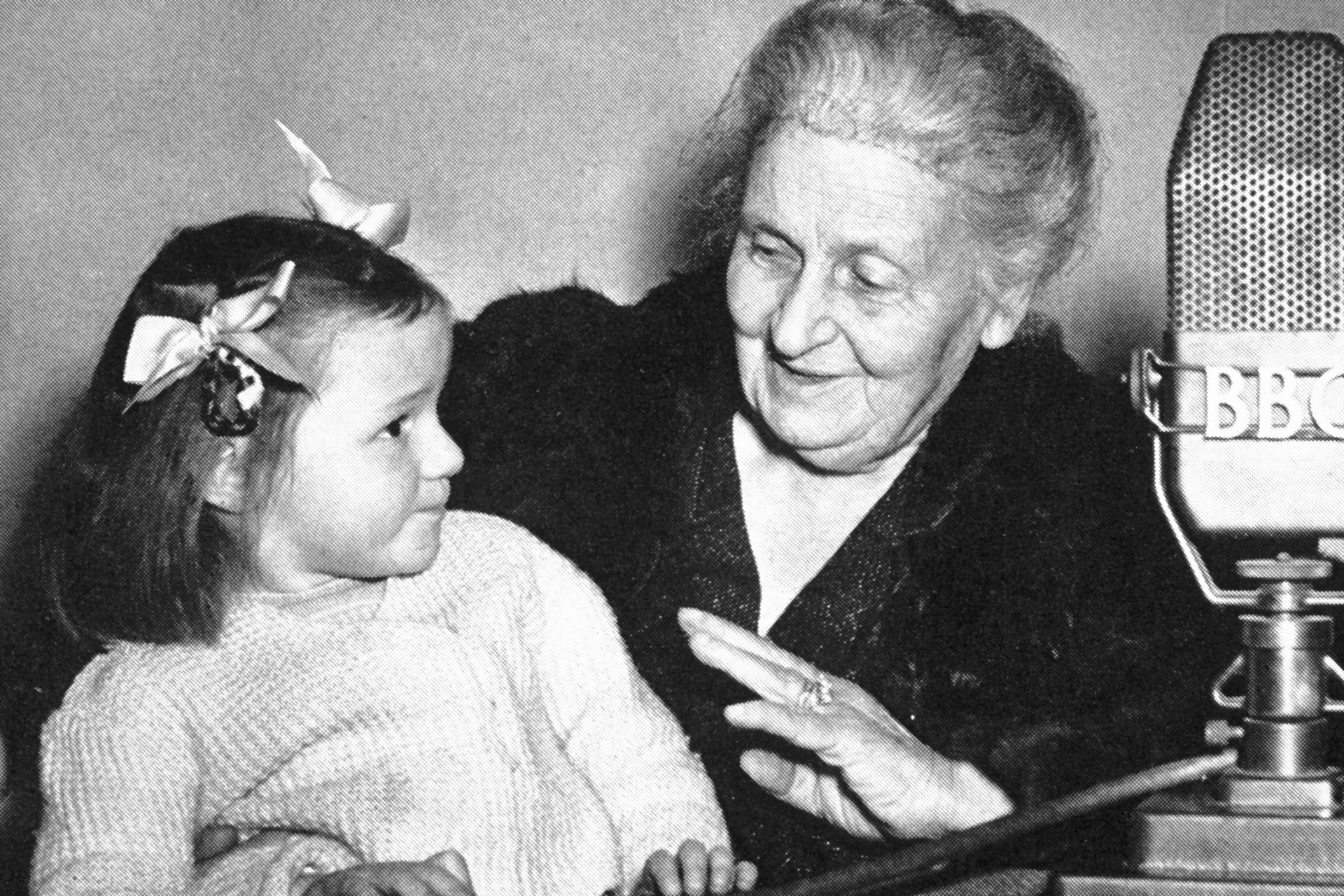
But her true breakthrough came in 1907, when she was invited to oversee a group of young children in a poor district of Rome. This classroom, called the Casa de Bambini or “Children’s House,” was created to offer care and education to the children of working-class families living in crowded tenement housing.
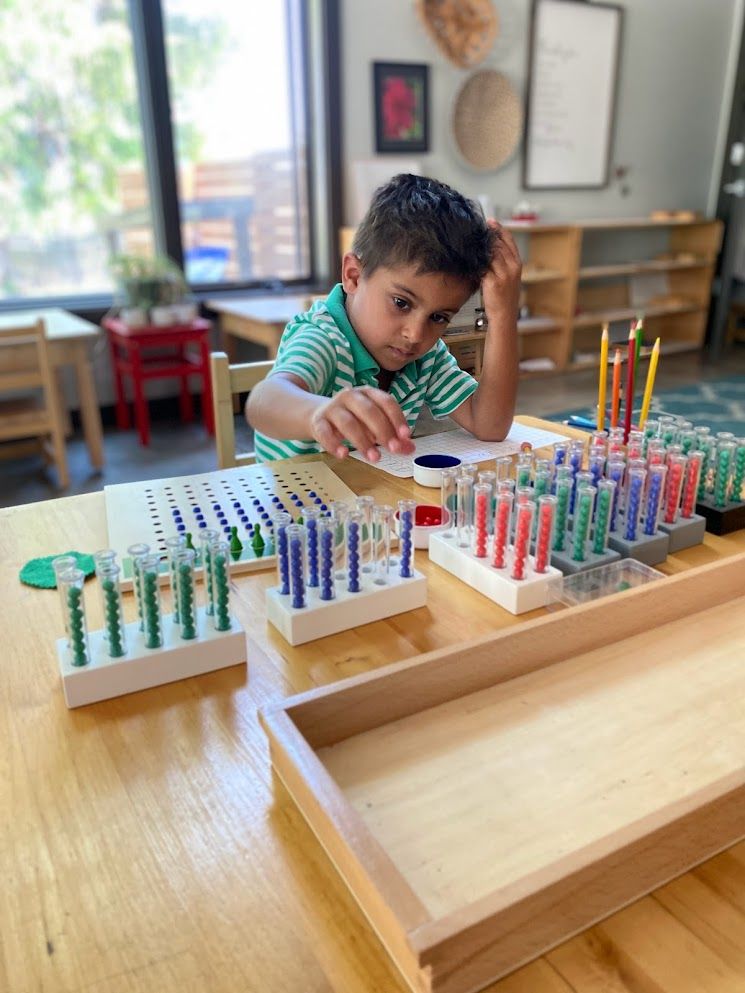
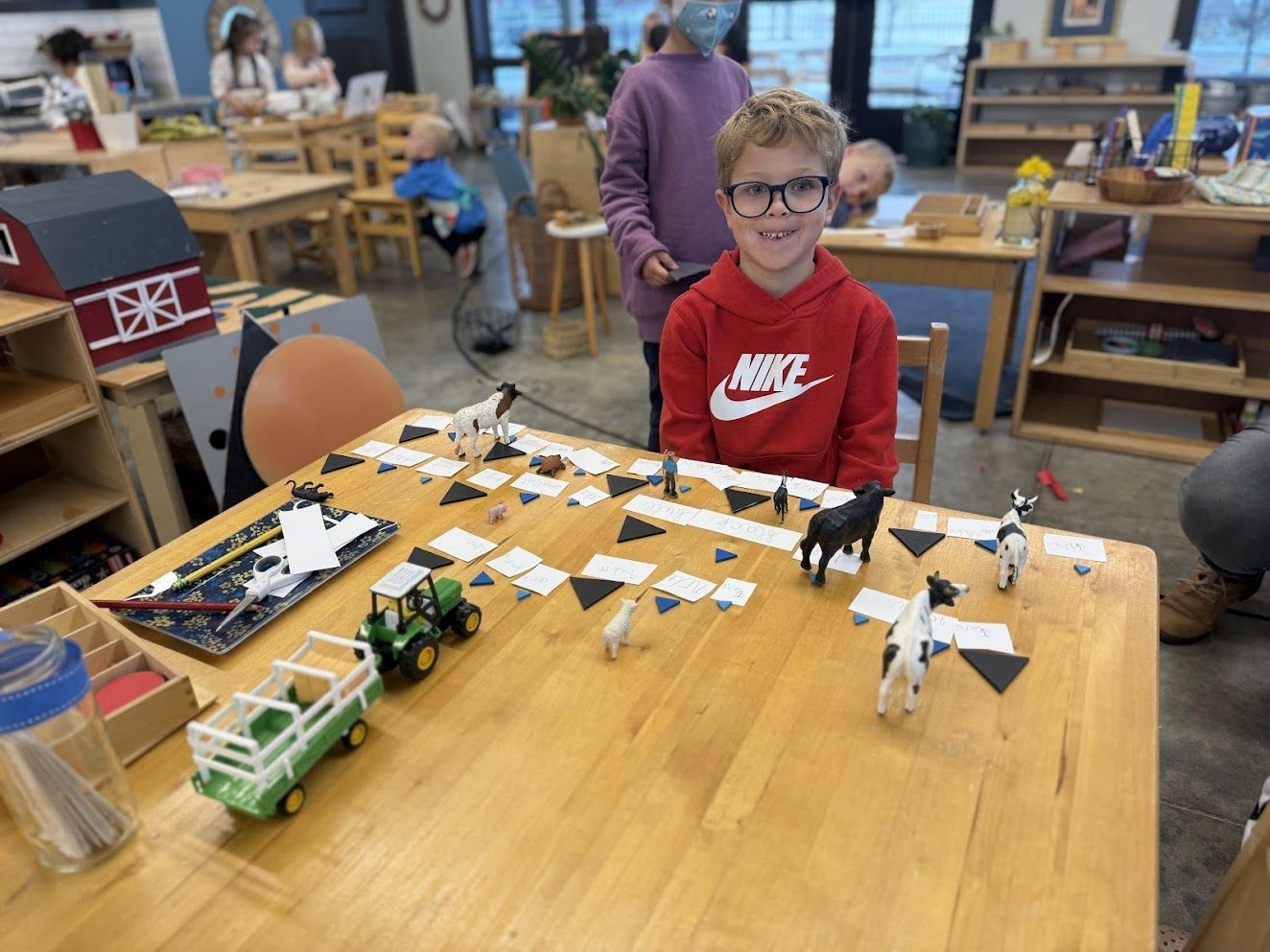
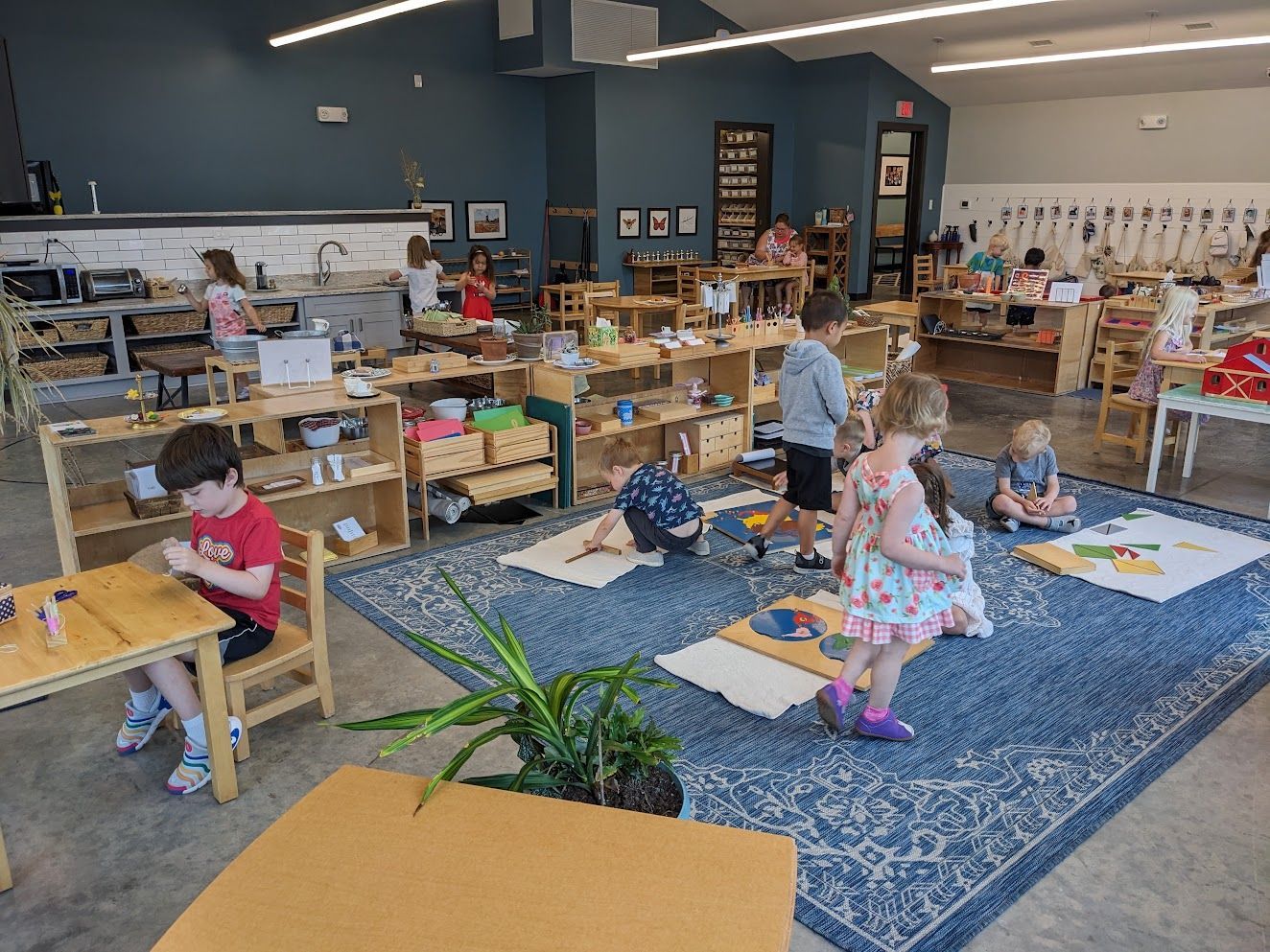
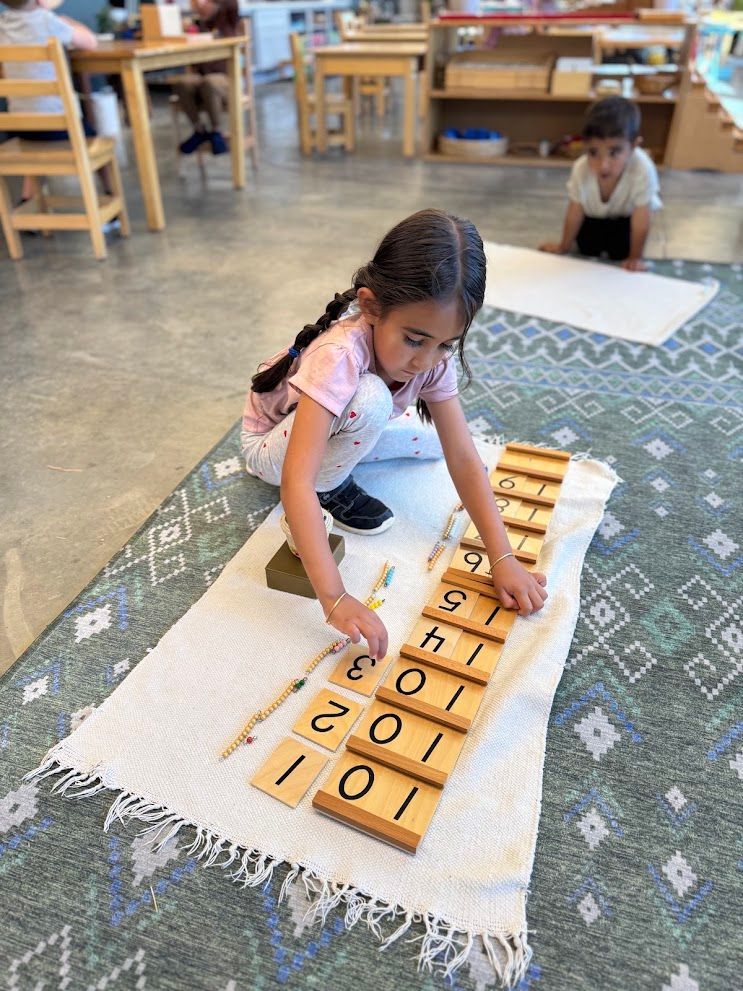
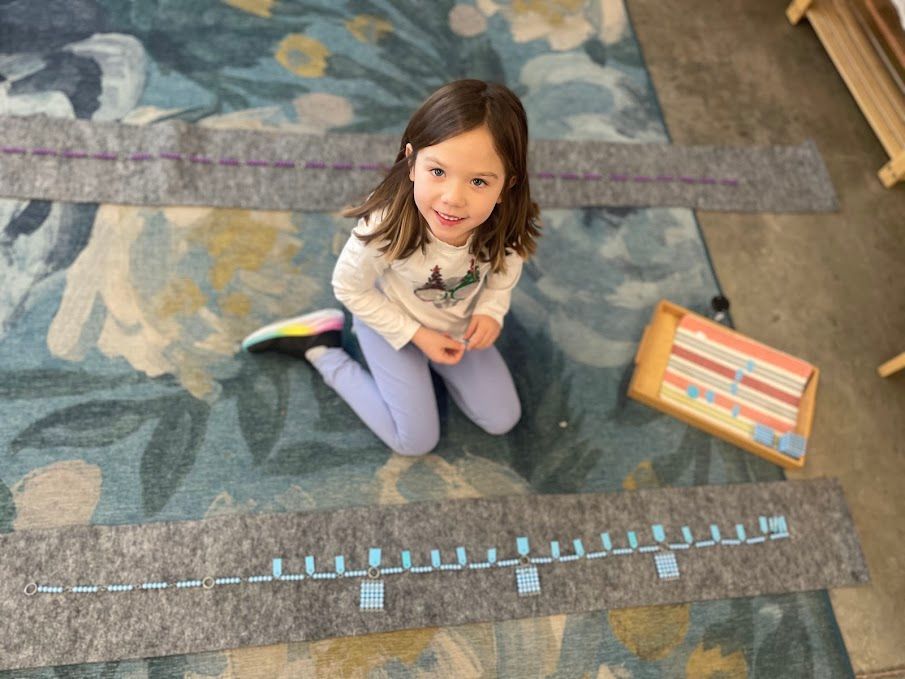
Montessori prepared the space thoughtfully, filled with child-sized furniture, real tools, and her now-iconic learning materials. She did not impose traditional instruction—instead, she observed, supported, and trusted the children to guide their own learning.
The results were astonishing.
Children who had previously been considered unruly or indifferent began showing intense concentration, independence, care for their environment, and love for learning. They taught themselves to read and write. They took pride in cleaning, preparing food, and helping each other. Montessori believed she had uncovered a “secret of childhood”—the immense, untapped potential that emerges when children are given the freedom to explore meaningful work in a prepared environment.
This experience at the Casa de Bambini not only changed the lives of the children it served—it changed the course of education around the world. It was here that Montessori's core ideas came to life: respect for the child, freedom within limits, and the importance of a carefully prepared environment.
What began in a small classroom in Rome would grow into a global movement, rooted in the belief that every child holds the key to a better future—if only we are willing to see them as capable, curious, and worthy of trust.