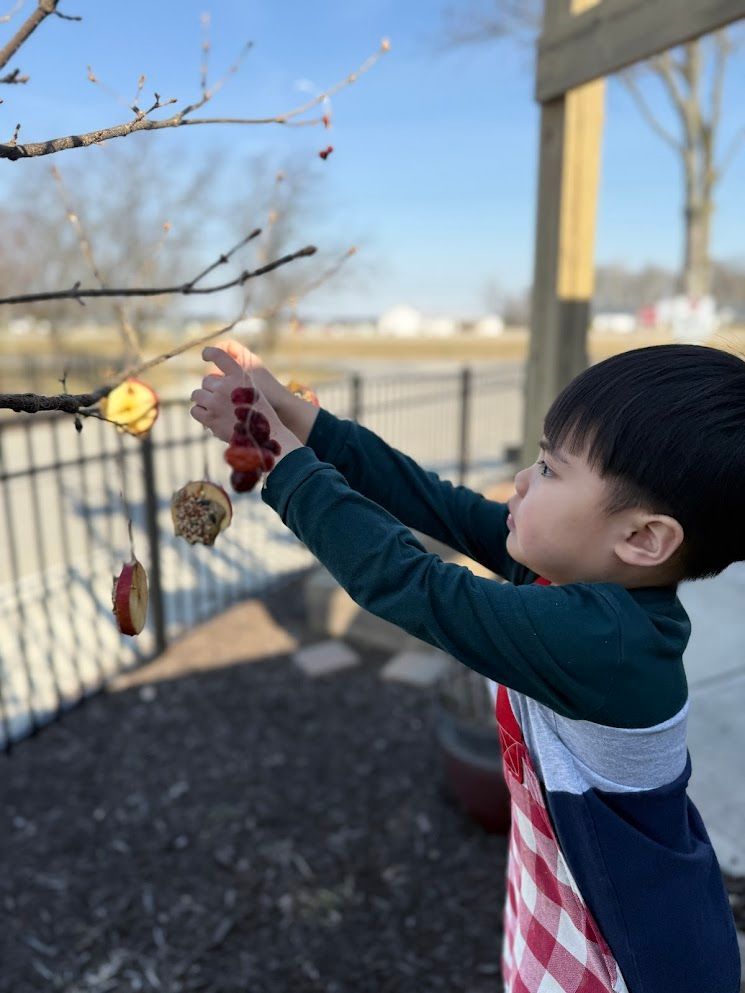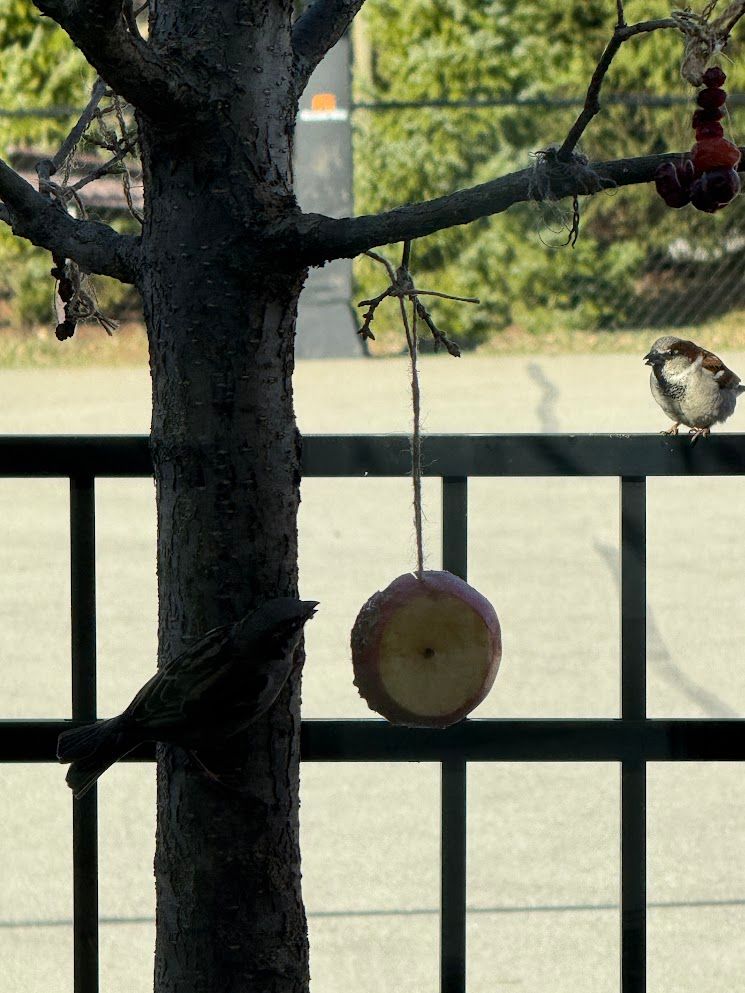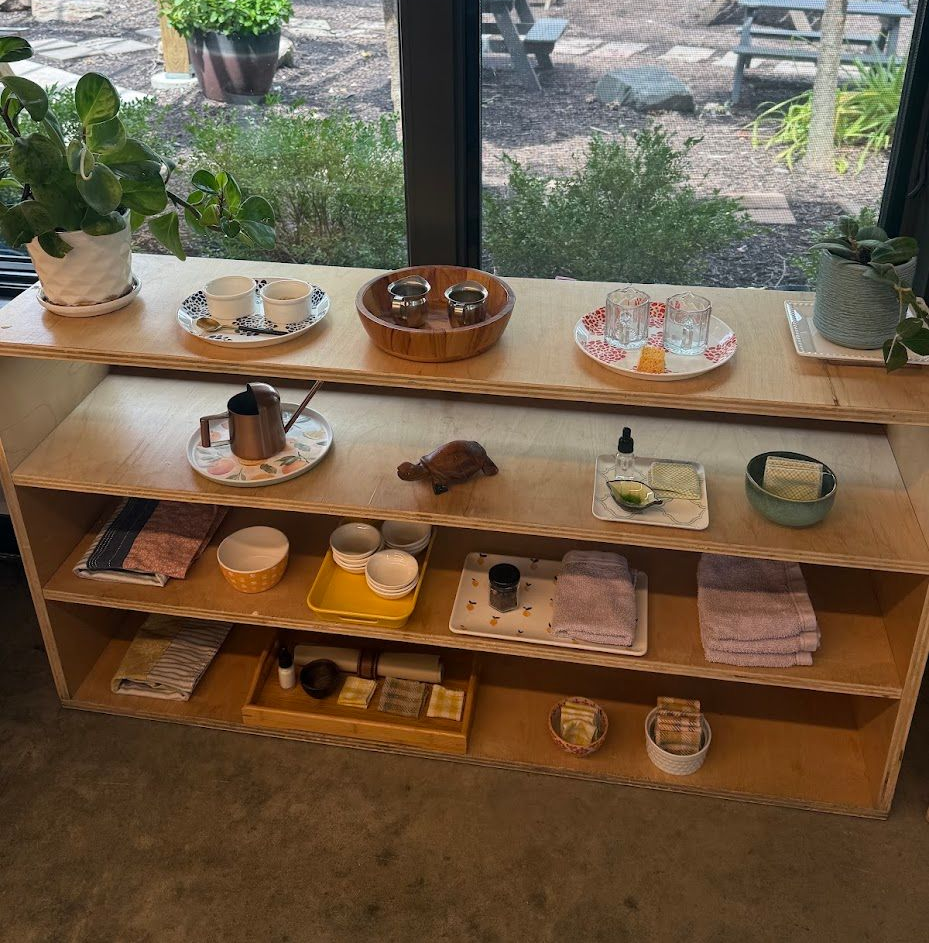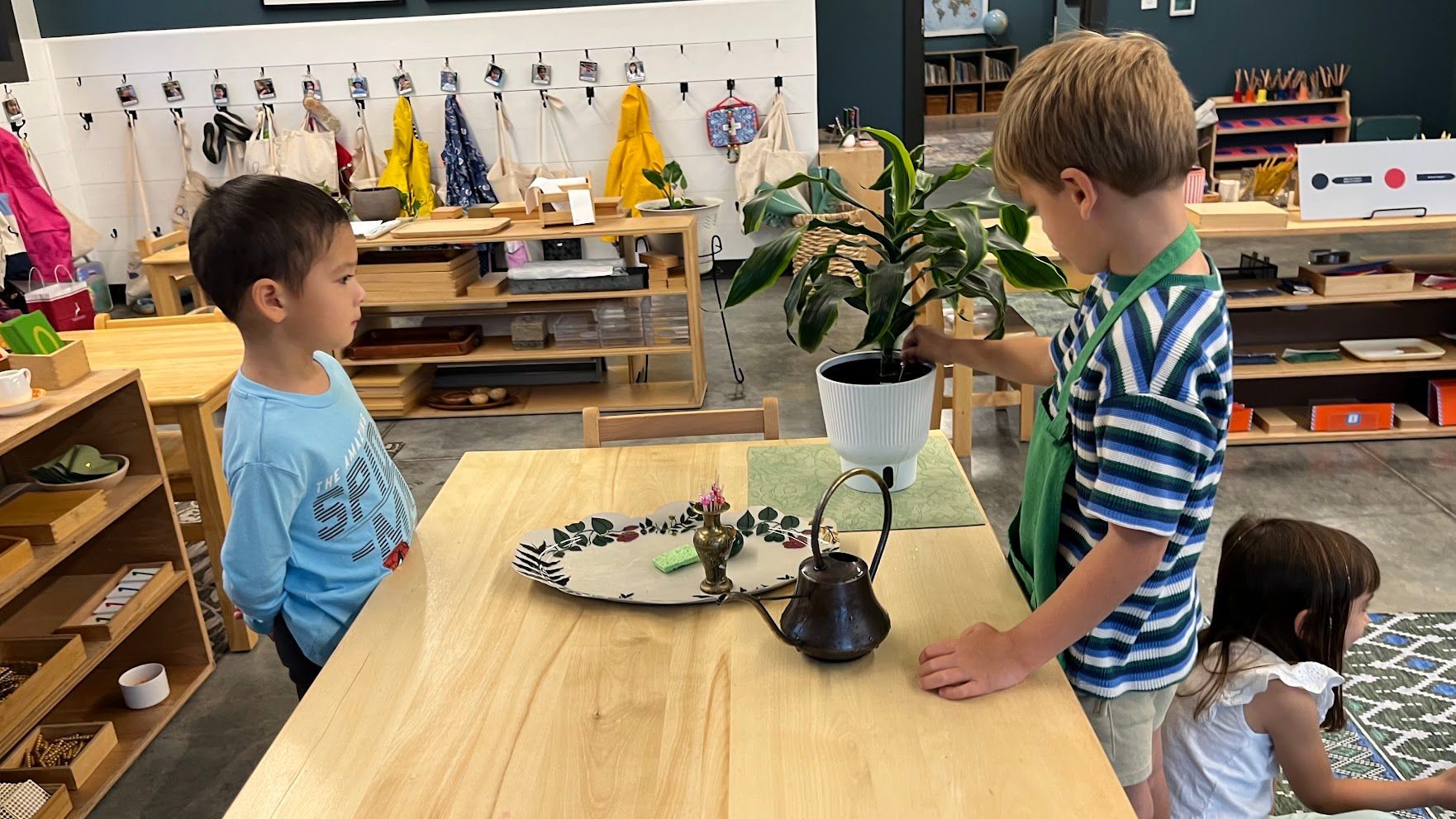
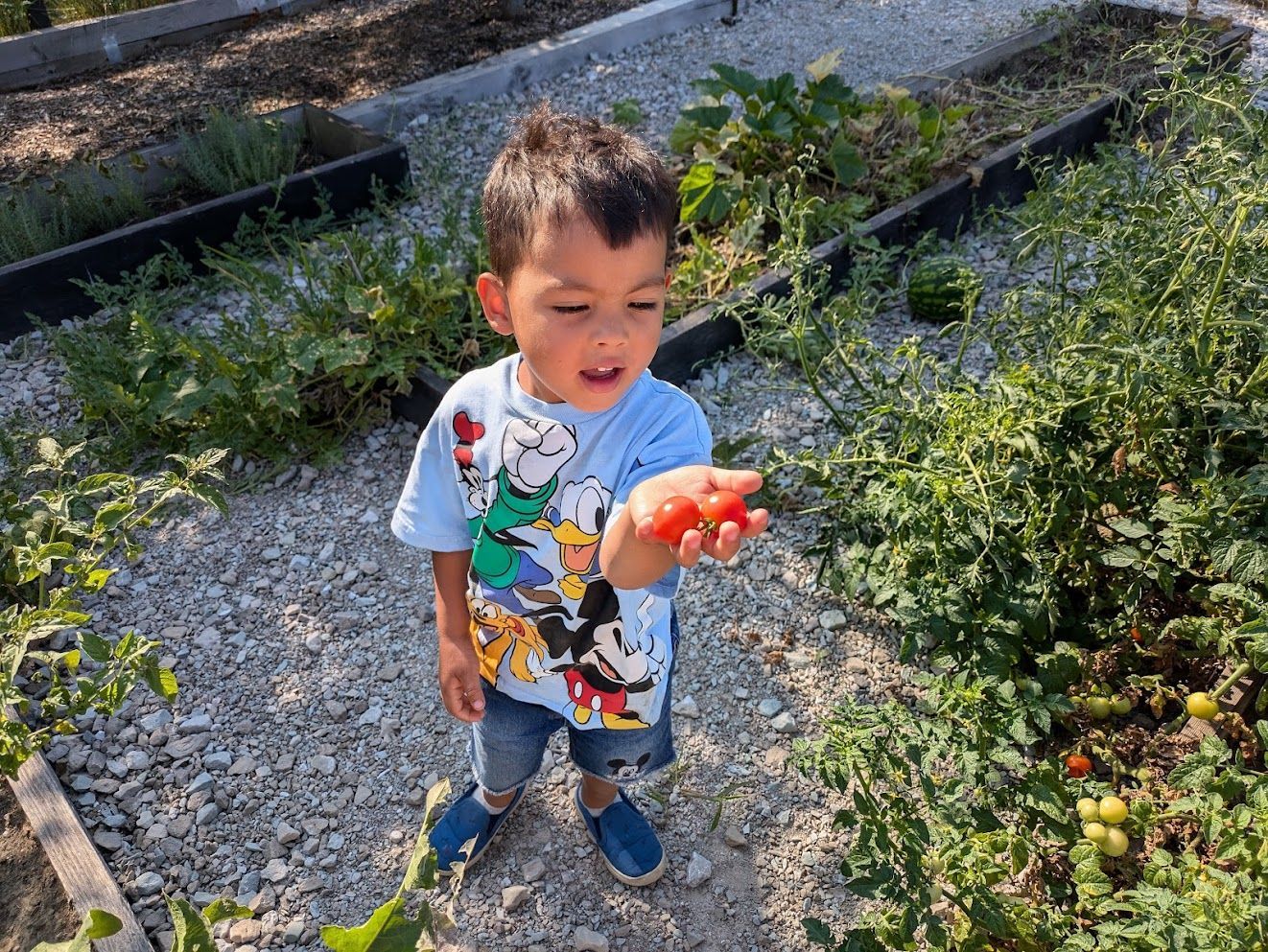
“There must be provision for the child to have contact with nature; to understand and appreciate the order, the harmony and the beauty in nature.”
MARIA MONTESSORI
In a fast-paced world filled with screens and schedules, nature walks offer a gentle, grounding way to slow down and connect. For children in Montessori environments, a walk through nature is not just a break from the classroom—it is the classroom. It’s a living, breathing extension of the child’s learning.
Montessori philosophy holds a deep respect for the natural world. Nature is a place where children can experience independence, engage their senses, move their bodies freely, and observe life unfolding all around them.
Why Nature Walks Matter in Montessori
Montessori saw nature as essential to the child’s development. She believed that time spent outdoors fosters inner peace, deep concentration, and a sense of connection to the universe. Nature supports the child’s physical, emotional, and spiritual growth—all key aspects of the Montessori approach.
Here’s how nature walks reflect core Montessori principles:
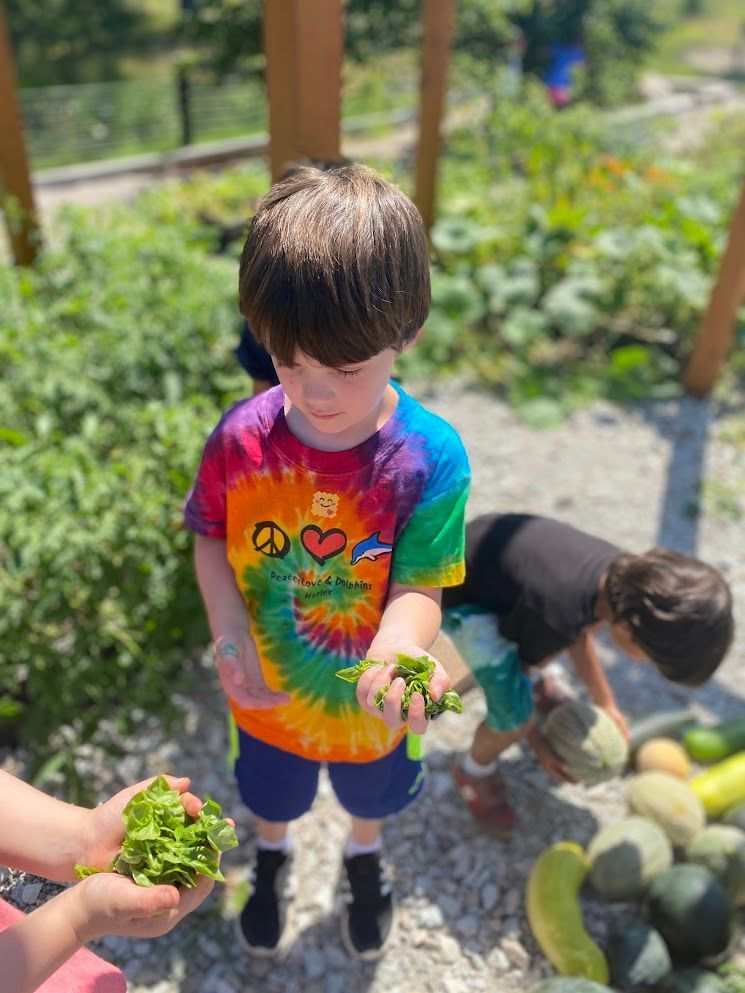
- Sensorial exploration: Children absorb the world through their senses. The feel of a rough rock, the sound of a bird’s call, the scent of pine—all of these experiences shape the child’s understanding of the world.
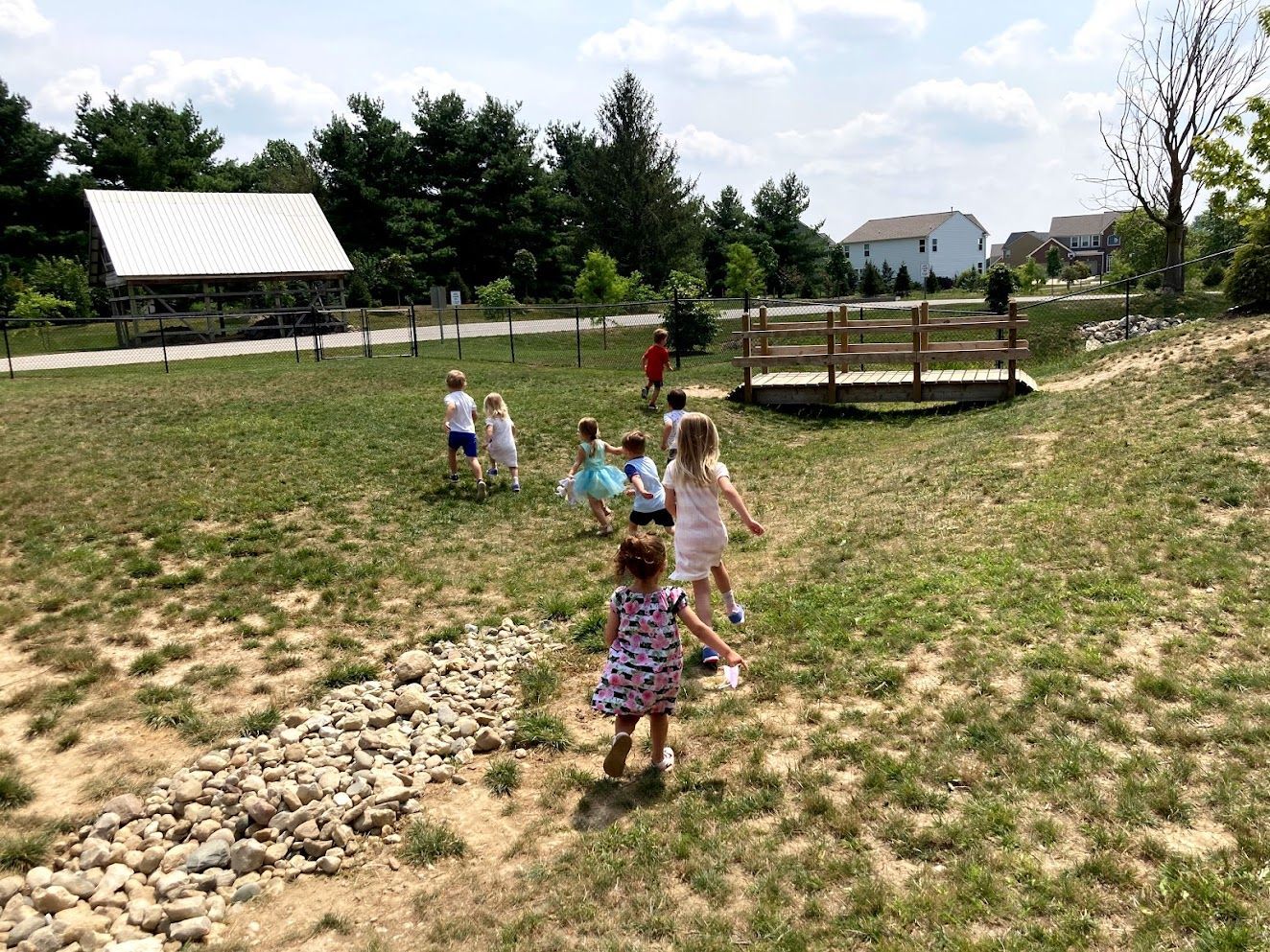
- Freedom of movement: Nature provides wide open spaces for children to walk, run, climb, and move their bodies with purpose and joy.
- Observation and discovery: Like true little scientists, children observe insects, animal tracks, changing leaves, and cloud shapes. They notice patterns, ask questions, and form connections.
- Respect for life: Walking in nature helps children build empathy for all living things. They learn not to pick every flower or disturb every bug, but to watch and wonder.
Ideas for Meaningful Montessori-Inspired Nature Walks
Nature walks don't need to be long hikes or elaborate field trips. Even a short walk through a local park or garden can offer rich learning. Here are some ideas to make your walks meaningful:
1. Go Slow
The goal isn't distance—it’s depth. Let children move at their own pace. Allow time for lingering, crouching, touching, and watching. You might only walk a block, but discover a whole world.
2. Bring a Basket or Pouch
Let children collect a few treasures: a pinecone, a leaf, a smooth stone. Back at home or school, these can be displayed on a nature table, sorted, or used in art.
3. Use Language Naturally
Name things you see together—“That’s a maple leaf,” “Look at the snail trail!”—and allow children to repeat and build vocabulary through real-life observation.
4. Keep a Nature Journal
Even very young children can draw what they saw or dictate what they noticed. Older children can write and sketch freely, adding details over time.
5. Walk in All Seasons
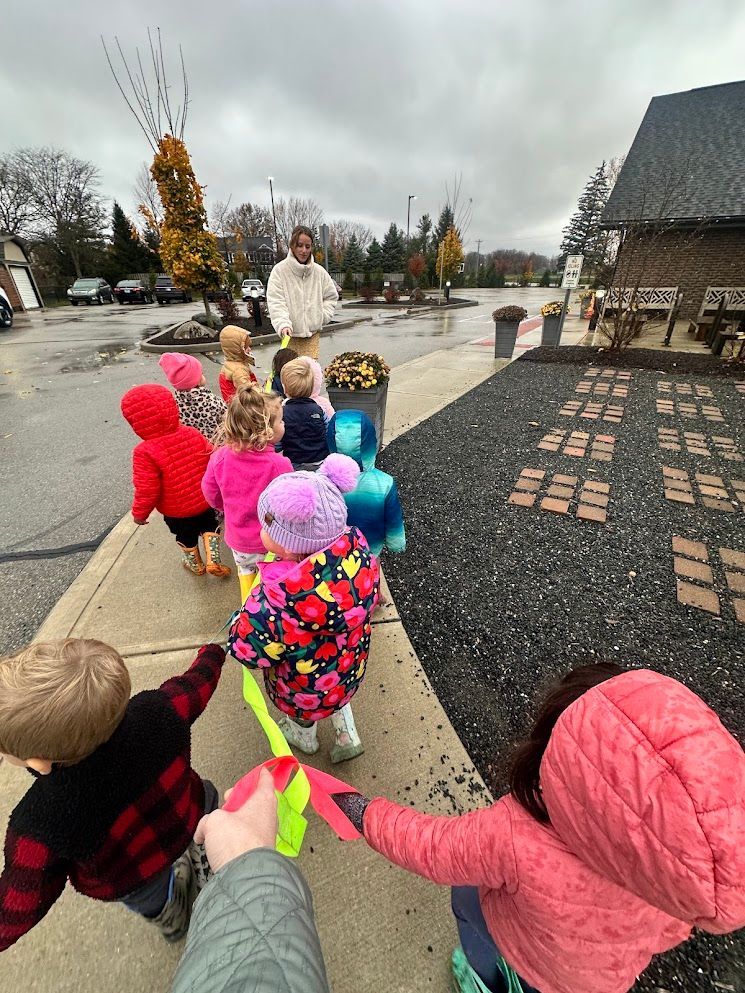
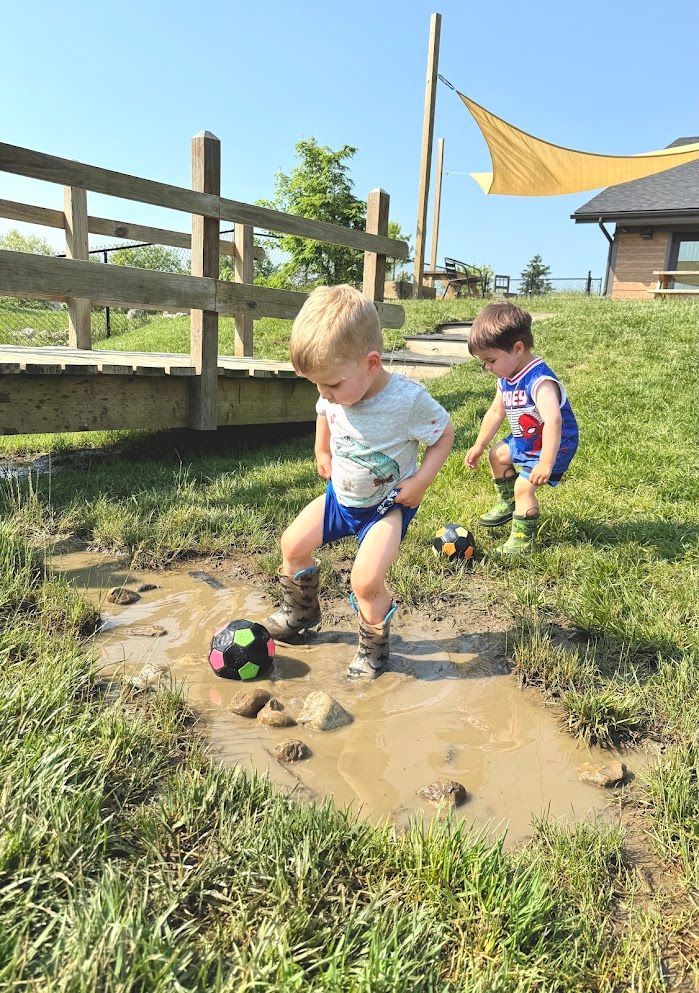
Rain, snow, sunshine—all types of weather offer something different to experience. With the right gear, children learn to embrace the outdoors in all conditions.
6. Introduce Simple Themes
Sometimes you might focus on birds, leaves, colors, or textures. These themes help children refine their attention and deepen their observation skills.
Nature as the Ultimate Prepared Environment
Montessori classrooms are carefully prepared environments—and so is the natural world. Without our interference, nature offers exactly what the child needs: beauty, order, freedom, challenge, and peace.
As Montessori wrote,
“When children come into contact with nature, they reveal their strength.”
A Montessori nature walk isn't about checking off educational goals. It’s about honoring the child’s need to explore, to wonder, and to feel part of something greater than themselves. Whether in a forest, a field, or a city sidewalk lined with trees, nature is always ready to teach—if we are ready to slow down and listen.
So take a walk, bring your curiosity, and follow the child. There’s magic waiting just outside your door.