“We must give the child the possibility to realize himself, to understand and to use his own language and the languages of others.”
MARIA MONTESSORI
In today’s global world, raising multilingual children is more common—and more valuable—than ever before. Whether children speak one language at home and another in school, or grow up hearing multiple languages from birth, the early years are a uniquely powerful time for language acquisition.
Montessori classrooms, especially at the toddler and primary levels (ages 0–6), are beautifully suited to support multilingual development. Why? Because they honor how children naturally absorb language—through immersion, repetition, and meaningful connection.
The Absorbent Mind and Language
Maria Montessori described the young child’s brain as having an “absorbent mind”—a mind that effortlessly soaks in language from the environment. From birth to age six, children are in a sensitive period for language, meaning they are biologically wired to learn the sounds, structure, and rhythm of the languages around them.
In Montessori environments, this natural ability is nurtured in intentional ways—without pressure, memorization, or drills. Language is learned through experience, not through instruction.
How Montessori Supports Multilingual Development
1. Rich Spoken Language Environment
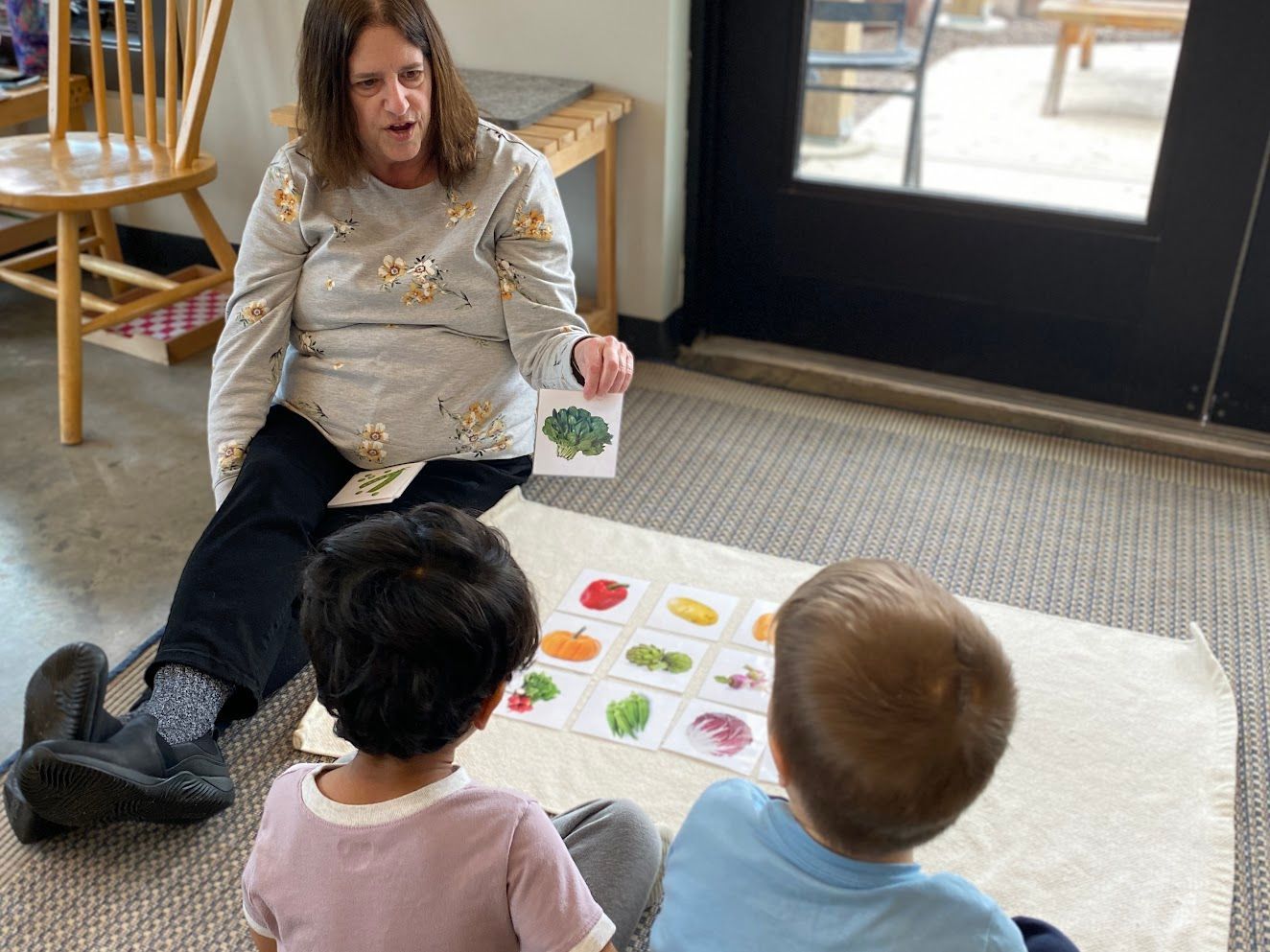
Montessori classrooms are filled with conversation, storytelling, poetry, songs, and naming. Teachers speak clearly and purposefully, using full sentences and descriptive vocabulary. Whether the language is English, Spanish, Mandarin, or any other, children hear authentic, expressive communication all day long.
2. Hands-On Language Materials
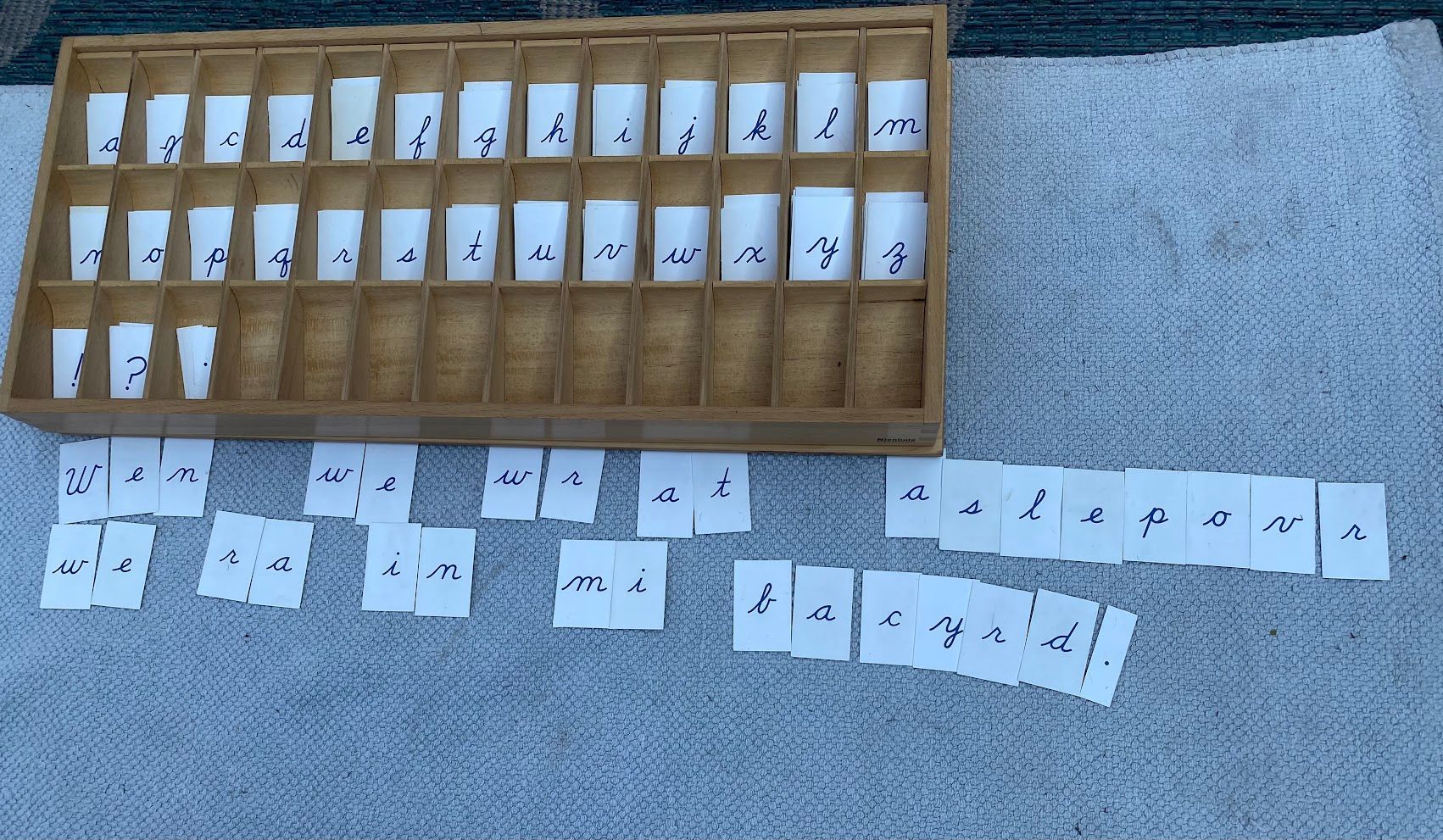
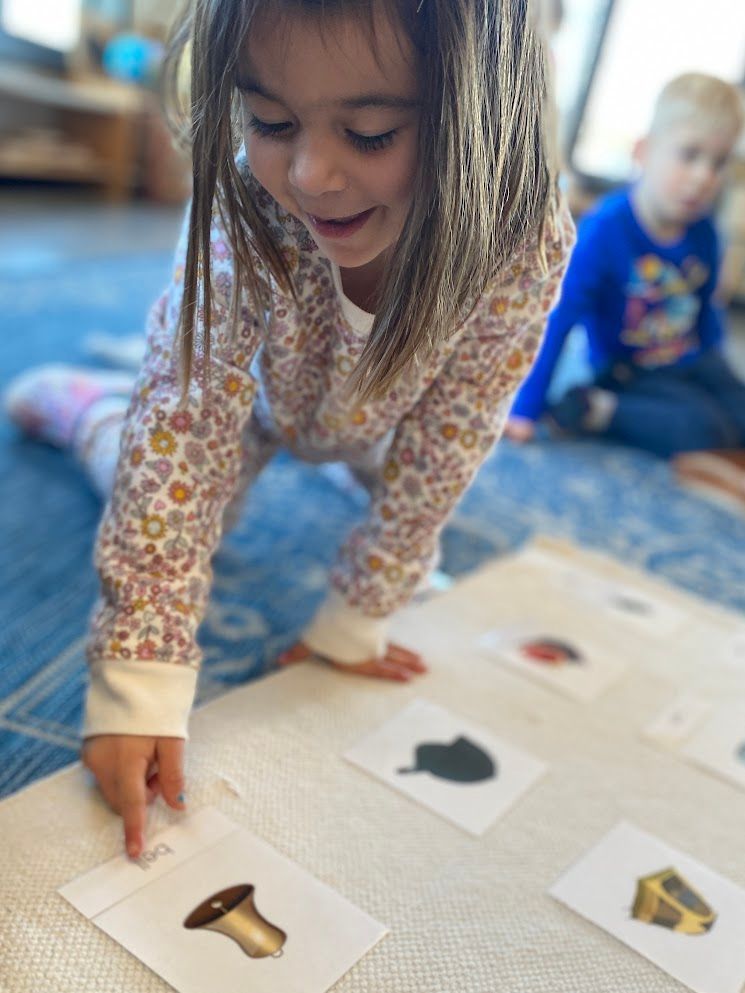
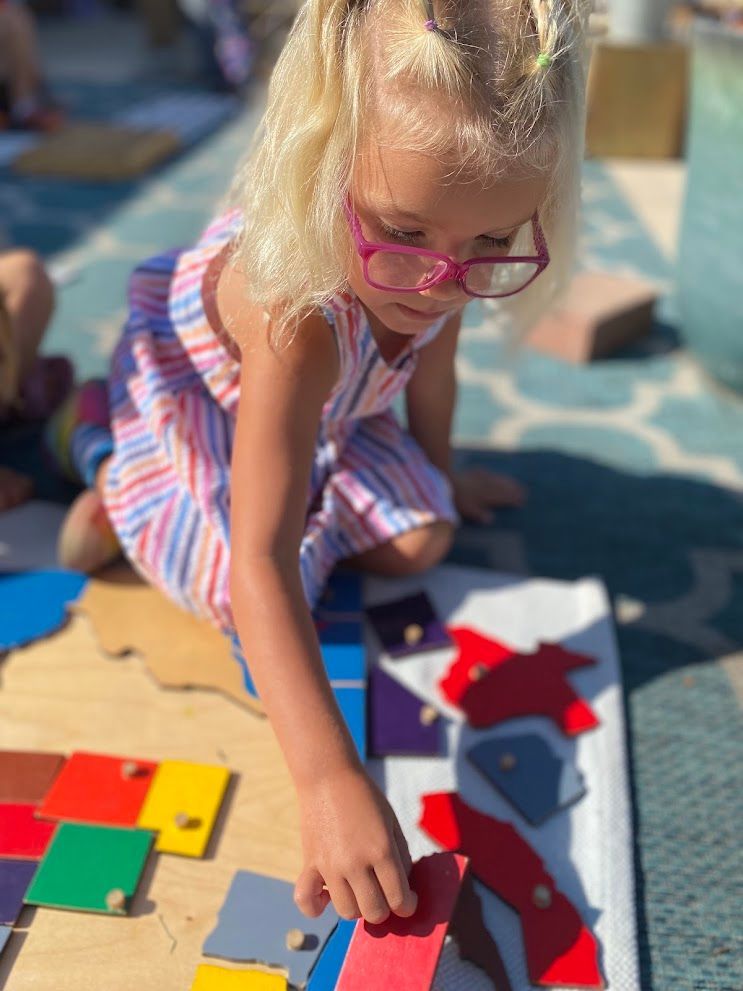
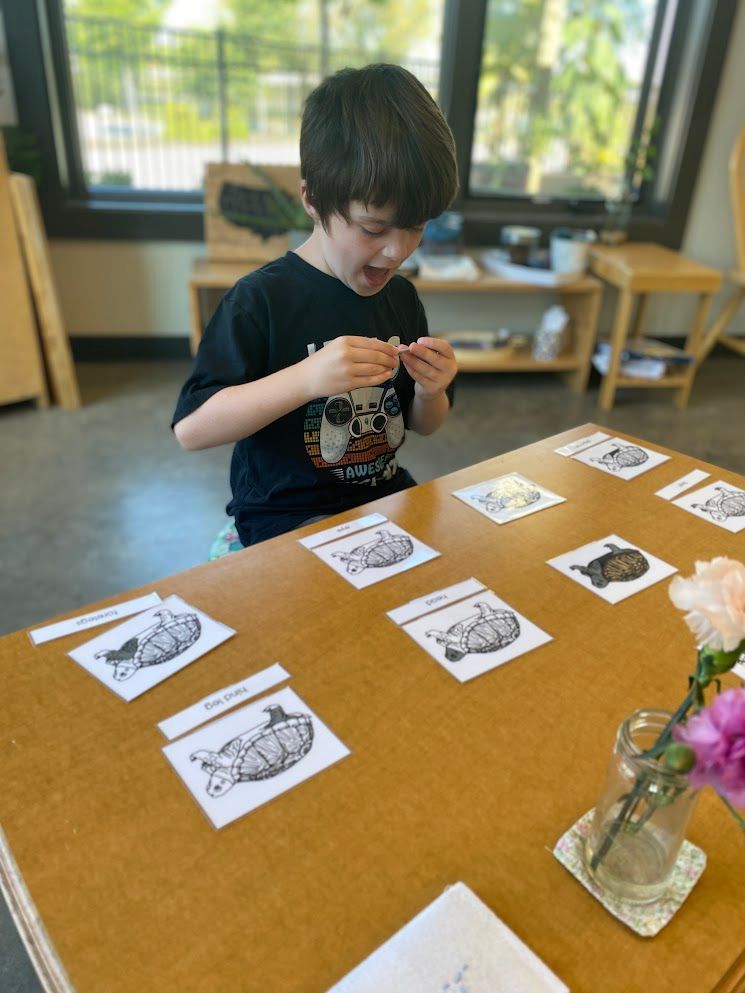
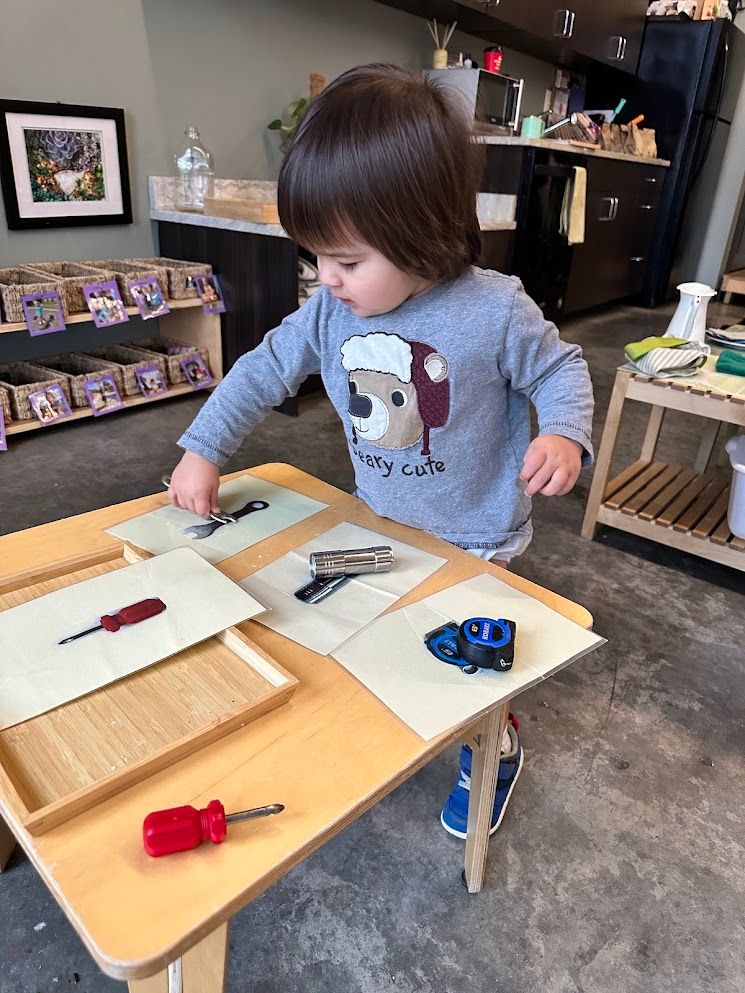
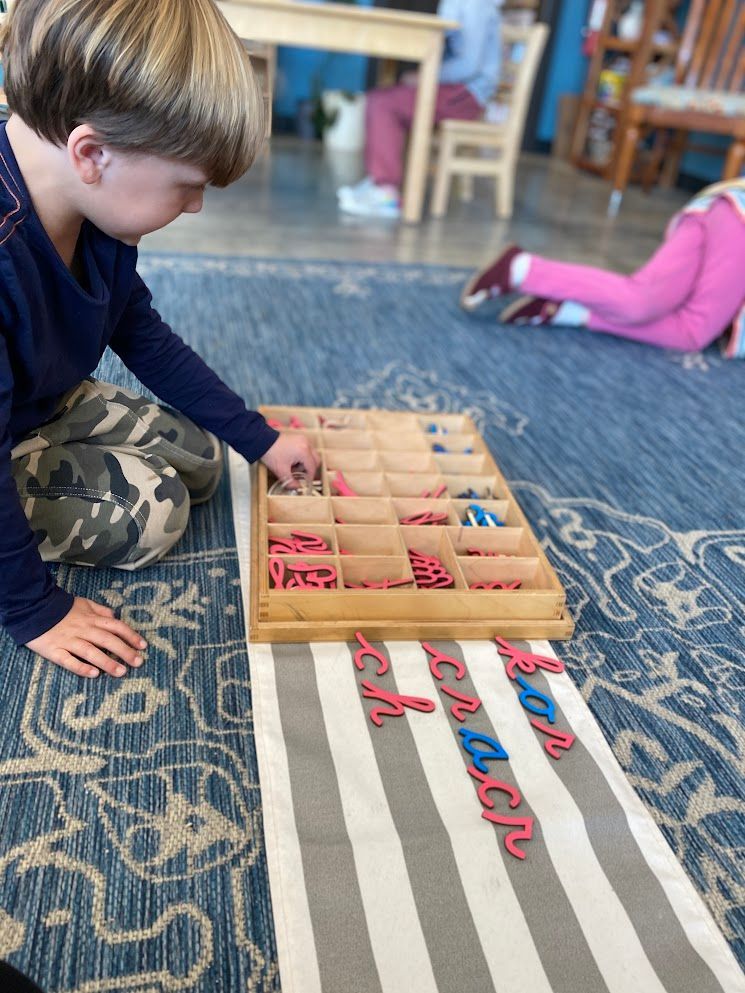
From object-to-picture matching to language classification work, Montessori offers concrete, manipulative-based language experiences. These materials help children connect words to meaning in a tangible way—especially helpful when learning new vocabulary in a second or third language.
3. Freedom to Express and Explore
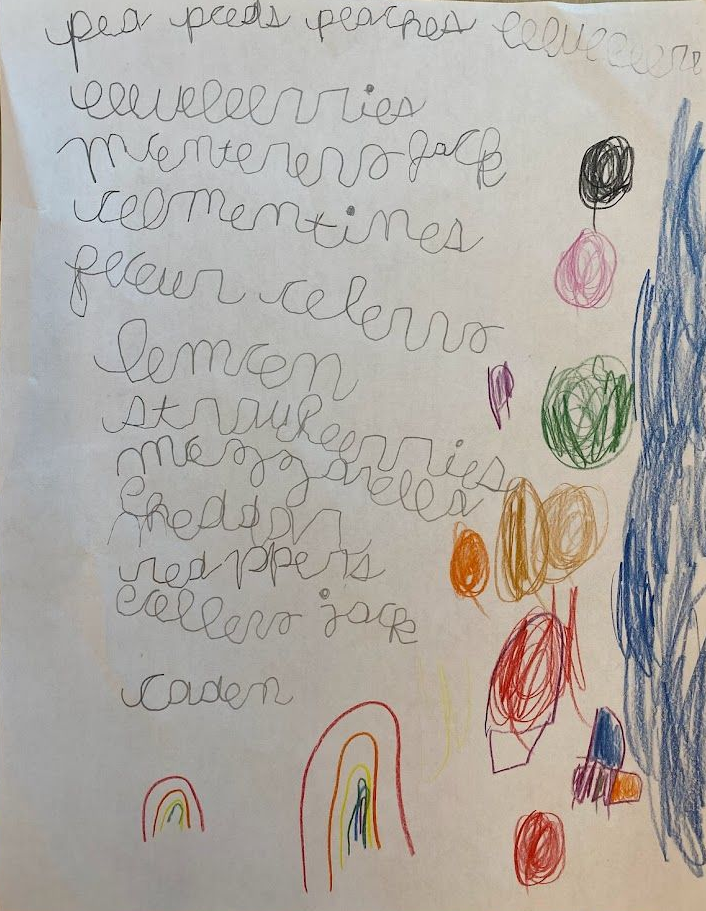
Montessori classrooms encourage freedom of expression without fear of making mistakes. Children can speak in their home language while learning a new one, code-switch between the two, and interact with peers who speak different languages—all in a respectful, supportive space.
Language is never forced—it is invited.
4. Respect for the Child’s Home Language
Montessori guides honor and incorporate the child’s first language and cultural identity. Families are encouraged to continue speaking their home language(s), and cultural stories, songs, and traditions are welcomed in the classroom. This reinforces that multilingualism is an asset, not a barrier.
5. Mixed-Age Classrooms Promote Peer Learning
In Montessori classrooms, younger children observe older peers using more advanced vocabulary, and older children often model and repeat language for younger ones. In multilingual settings, this natural peer interaction becomes a rich source of language exposure and practice.
Montessori at Home: Tips for Multilingual Families
- Speak your native language with confidence. Children can learn multiple languages simultaneously with regular exposure.
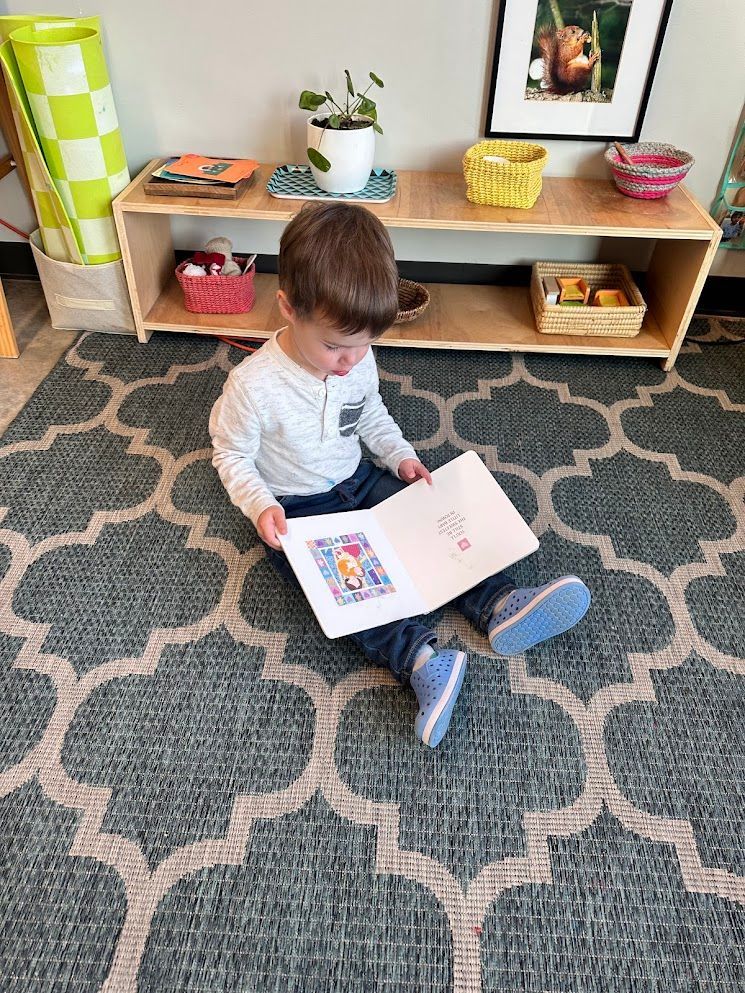
- Read books in different languages. Stories build vocabulary and offer meaningful context.
- Sing songs, share rhymes, and play word games. Rhythm and repetition support learning in all languages.
- Avoid pressure. Children will mix languages at first, and that’s okay! It’s a normal part of multilingual development.
Montessori classrooms don't just allow for multilingual development—they embrace it. With thoughtful materials, responsive adults, and rich sensory language experiences, children are empowered to become confident communicators in more than one language. In a Montessori environment, every language is a bridge—and every child is capable of crossing it.