"The child does not work in order to move or in order to become intelligent. He works to adapt to his environment. It is essential that the environment should permit him to develop according to the laws of his nature."
MARIA MONTESSORI
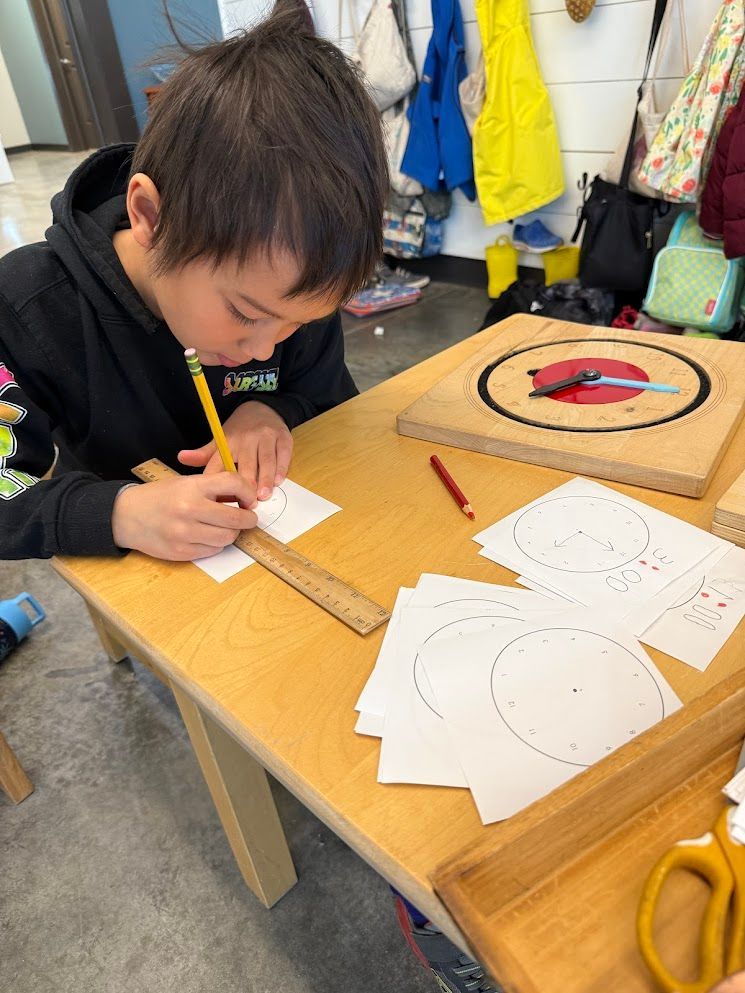
Adults measure time with clocks and calendars, but for children in the first plane of development (ages 0–6), time is experienced through rhythm, routine, and repetition. Montessori classrooms honor this developmental stage by offering concrete, meaningful ways for children to experience the passage of time.
Maria Montessori observed that young children live fully in the present. While abstract ideas of past and future come later, children naturally understand sequences, cycles, and patterns. Rather than teaching time too early in symbolic ways, Montessori environments provide lived experiences that prepare children for future understanding.
Time in the First Plane of Development
Children develop a sense of time through consistency and predictability. Daily routines—work periods, meals, outdoor play, rest, and storytelling—help them know what comes next. Through these experiences, children build time awareness by:
- Participating in daily rhythms
- Observing seasonal and weather changes
- Noticing cycles of the day
- Hearing stories with a beginning, middle, and end
At this stage, time is not about reading a clock, but about experiencing order, movement, and connection.
Time as Tangible: Montessori’s Concrete Approach
Montessori classrooms use concrete rituals and materials to make time visible and meaningful.
Birthday Celebration
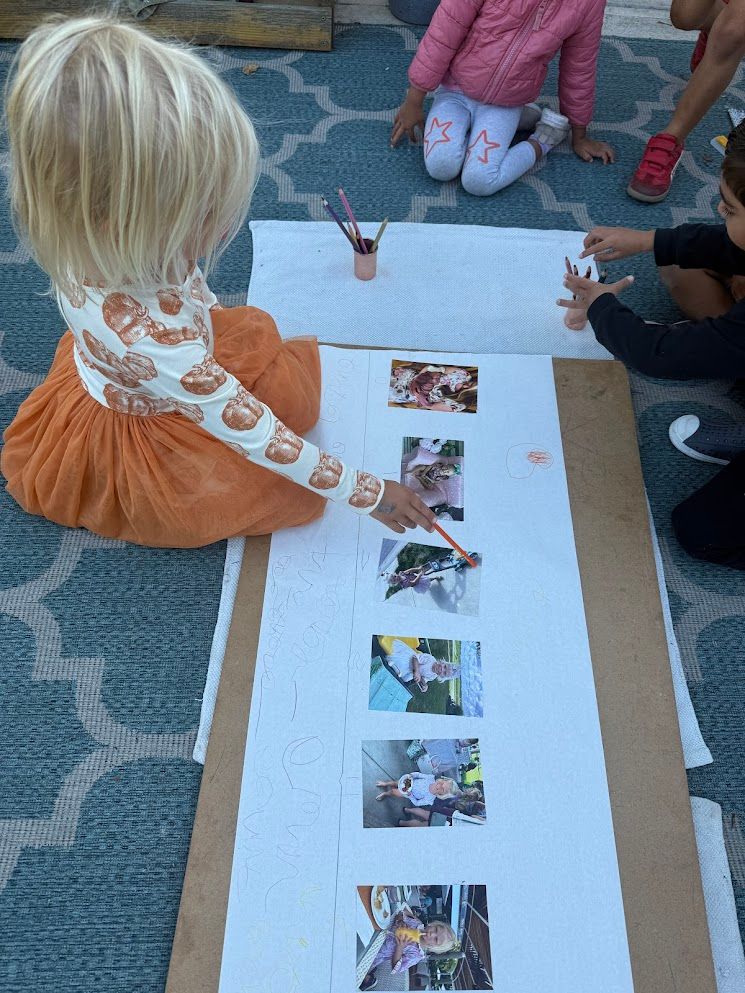
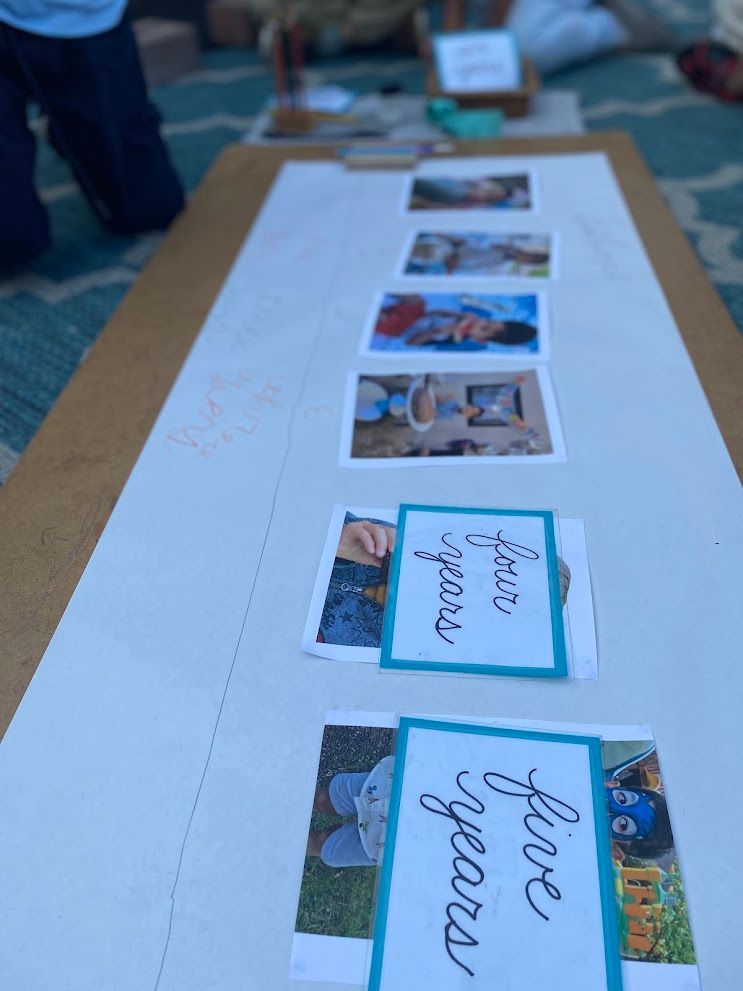
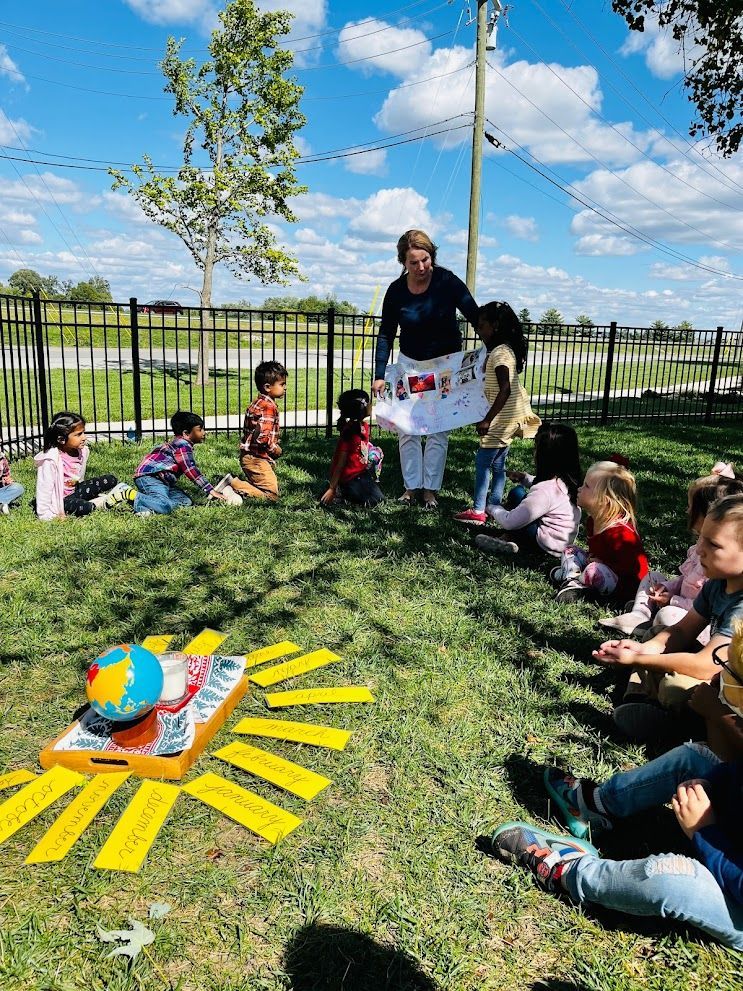
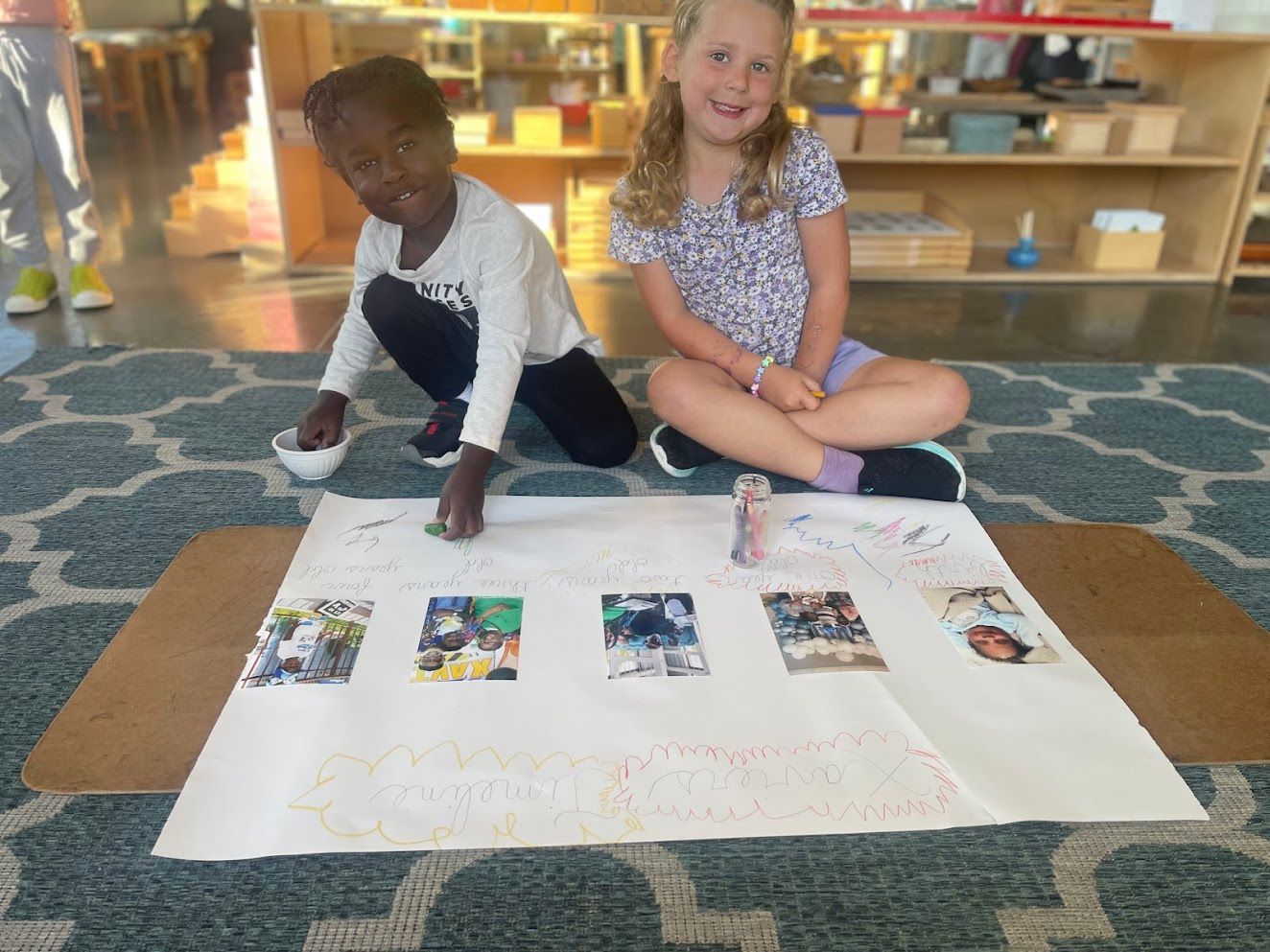
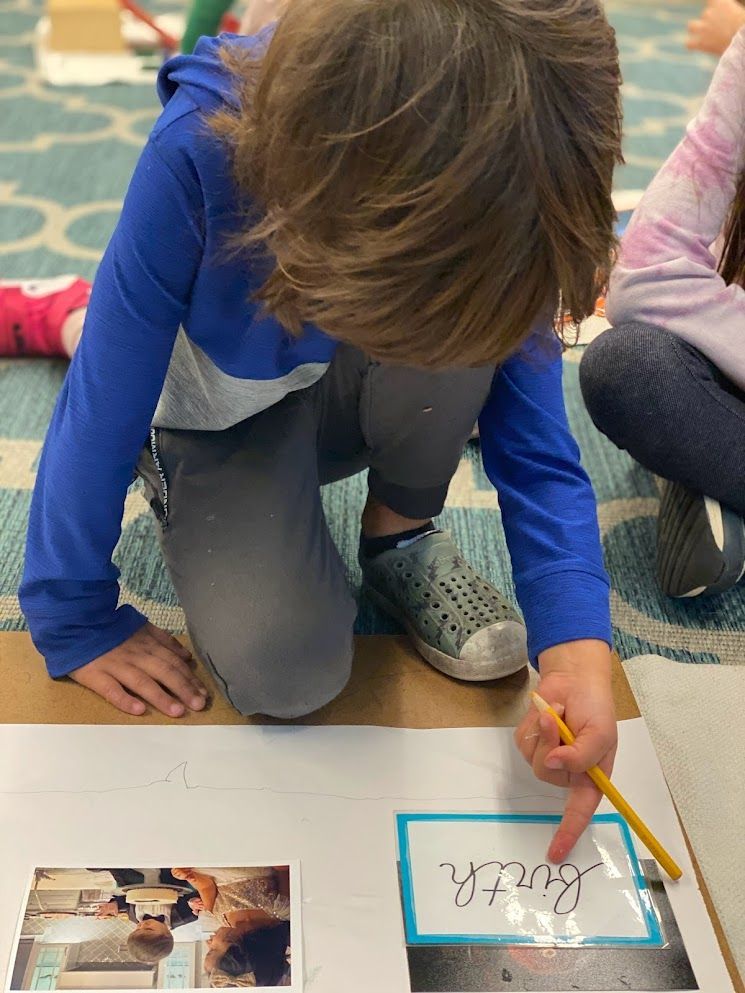
The Montessori birthday walk offers a physical representation of time. As the child carries a globe around a candle “sun,” once for each year of life, they experience growth as a journey through space and time, often accompanied by photos marking each year.
Calendar and Weather Work
Calendar activities focus on patterns rather than memorization. Children track weather, notice recurring events, and learn the names of days and months, building early awareness of cycles and seasons.
Sequencing and Routine
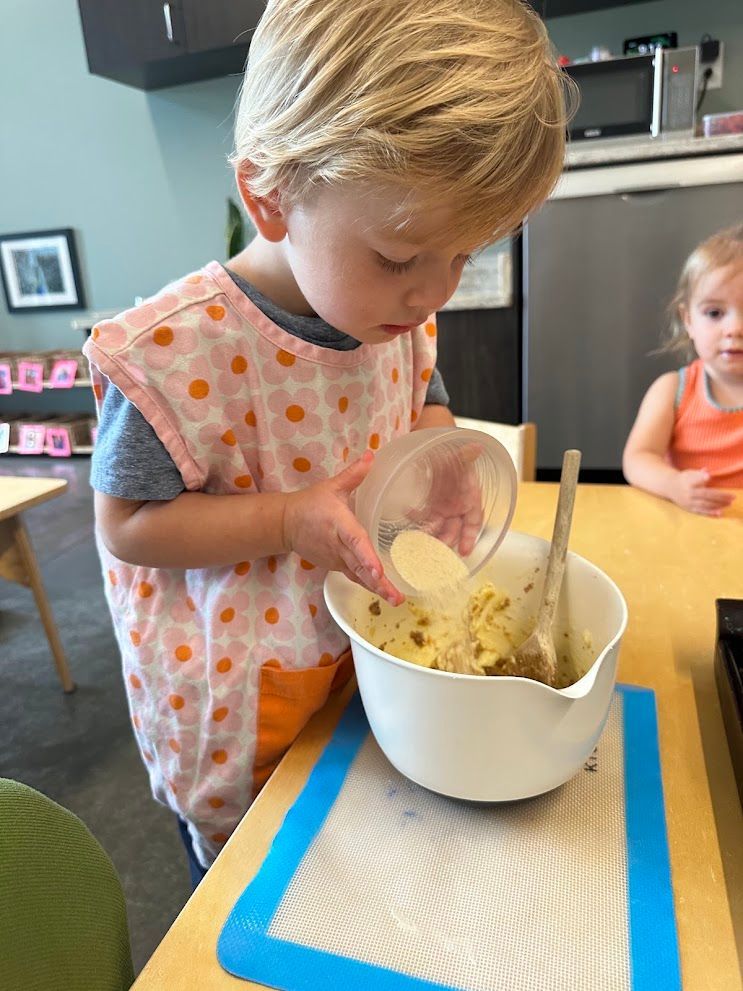
Consistent classroom routines and step-by-step activities—such as food preparation or cleaning—help children internalize order. Repetition strengthens memory, focus, and an emerging sense of inner time.
Why It Matters
Experiencing time in concrete, respectful ways helps children develop patience, self-regulation, security, and confidence with transitions. These early experiences lay the groundwork for understanding abstract time concepts later on.
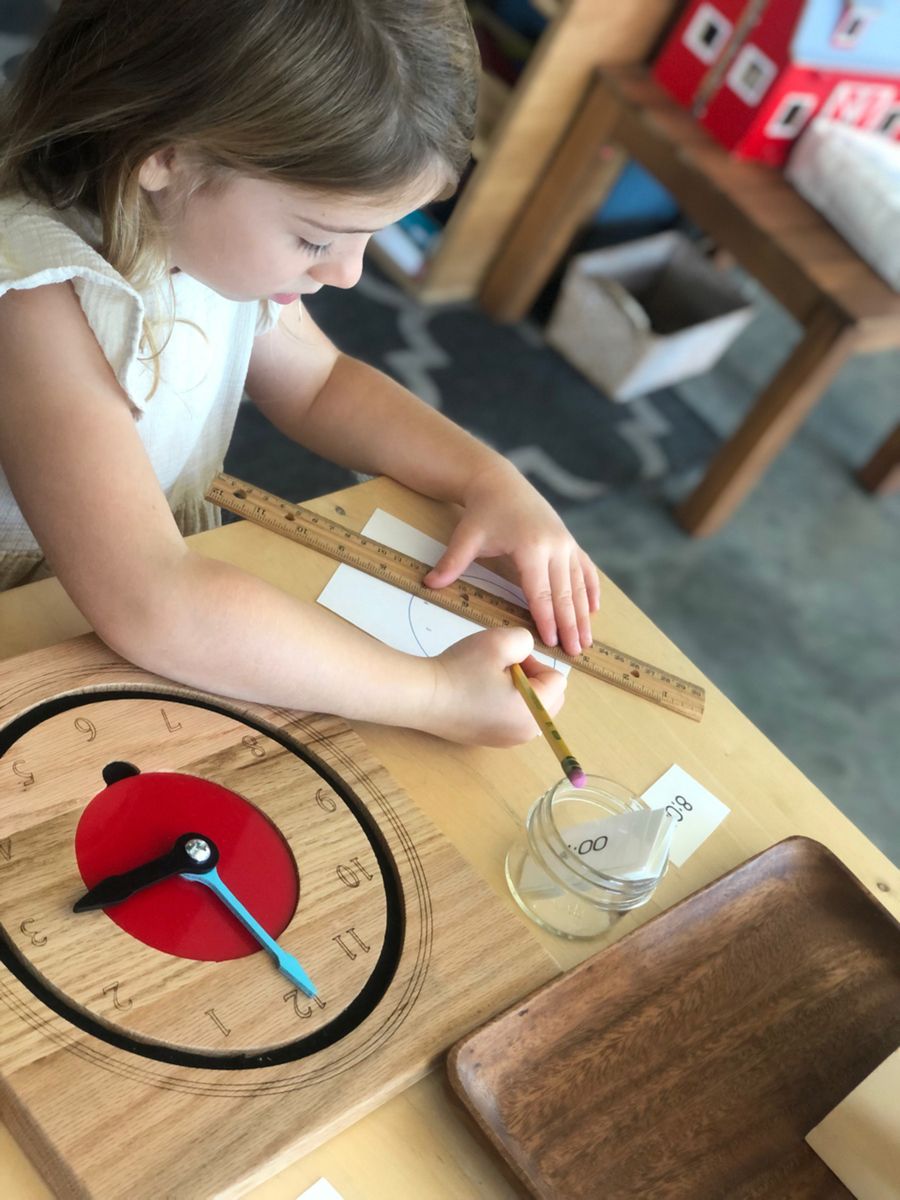
Time is a complex idea, but for young children it doesn't need to be taught through numbers or ticking clocks. In Montessori classrooms, time is something children can see, touch, and feel—through rhythms, routines, and meaningful rituals. By moving at the child’s pace, Montessori allows time to unfold naturally, one moment at a time.