

"We must study the child, realize his nature, his needs, his tendencies, and provide for him an environment in which he can live according to them."
MARIA MONTESSORI
Book Summary: Montessori – The Science Behind the Genius
By Angeline Stoll Lillard
A Bridge Between Timeless Philosophy and Modern Research
Angeline Stoll Lillard’s Montessori: The Science Behind the Genius is a landmark work that examines Maria Montessori’s educational philosophy through the lens of modern psychological and neurological research. First published in 2005 and updated in later editions, this book answers an essential question for educators and parents alike: Does the Montessori method actually align with what science says about how children learn best? Spoiler alert—the answer is a resounding yes.
Lillard, a developmental psychologist, breaks down Montessori’s core principles and compares them with current findings in cognitive science. The result is a compelling and thoughtful case for Montessori education as not only intuitive and respectful—but deeply evidence-based.
Lillard organizes the book around eight foundational principles of Montessori education, examining each through scientific research:
1. Movement and Cognition
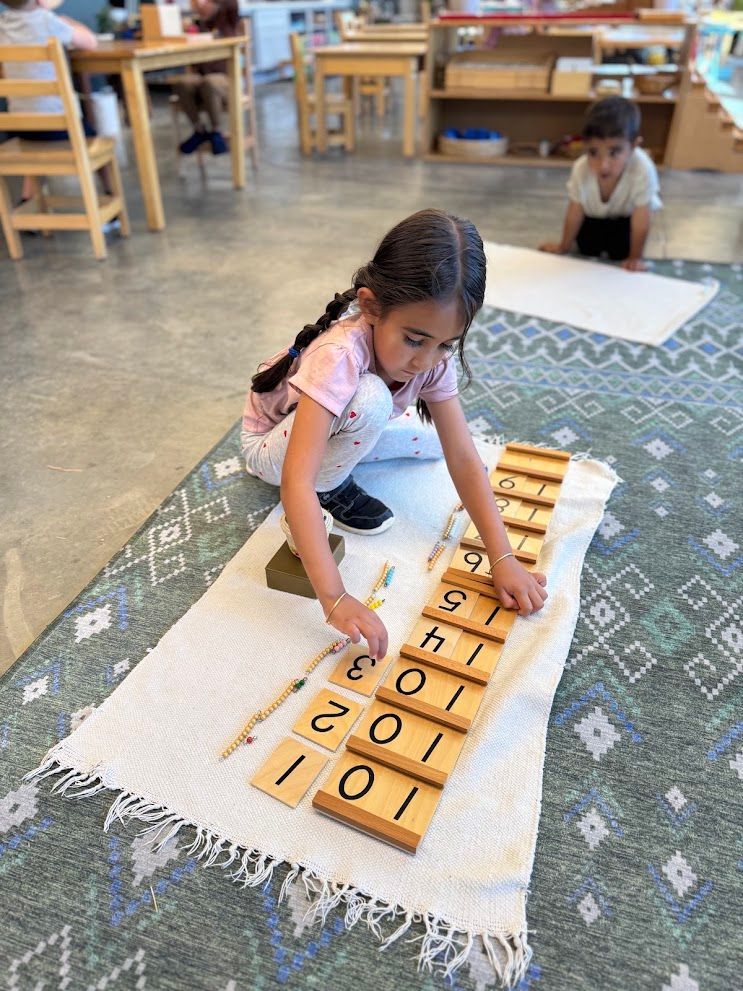
Montessori classrooms are designed to allow movement—children choose their activities, move around the room, and use their hands to learn. Lillard demonstrates how modern research supports this, showing that movement enhances thinking, memory, and academic performance.
2. Choice
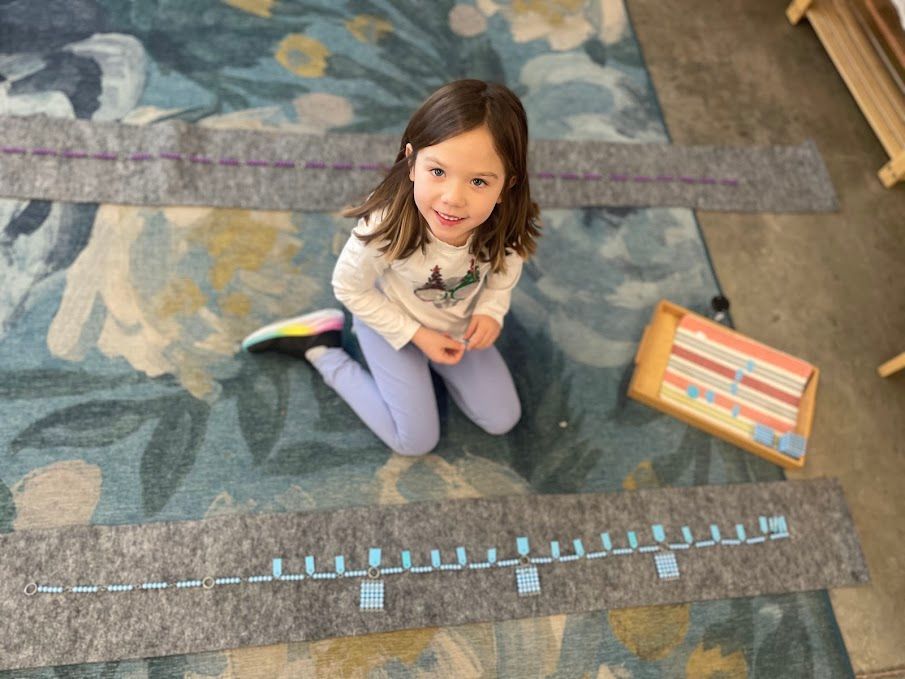
Montessori children are given the freedom to choose their work within a prepared environment. Studies show that giving children choice promotes motivation, engagement, and learning, echoing Montessori's belief in the importance of autonomy.
3. Interest
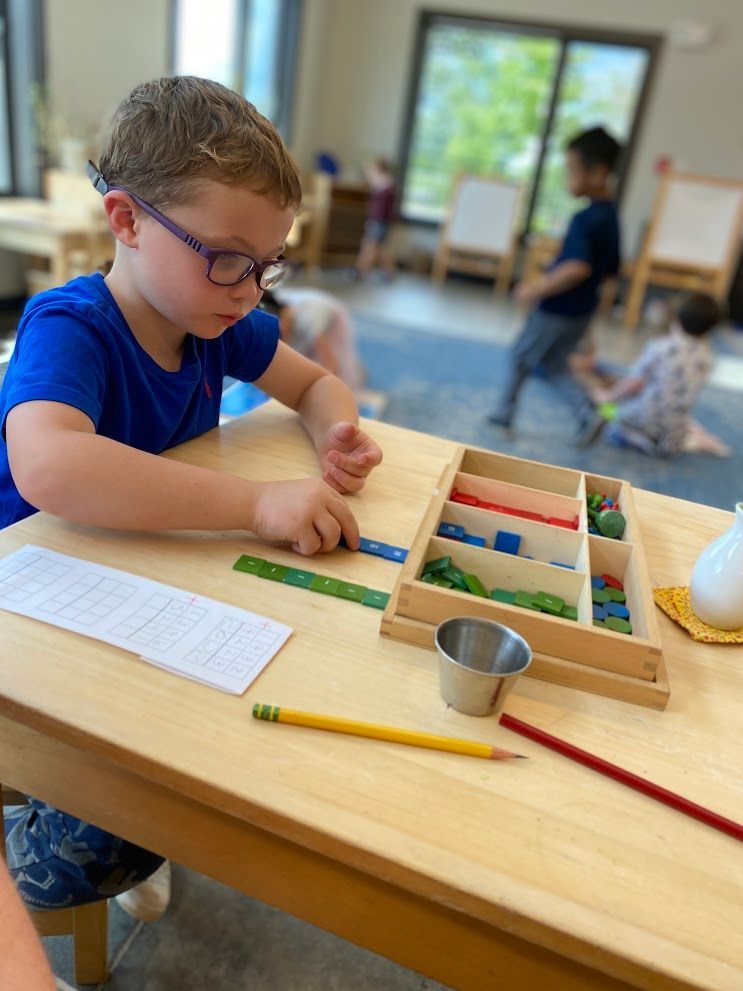
Montessori materials and lessons are designed to spark a child’s natural interest. Lillard shows that when learning is connected to what genuinely interests a child, retention and comprehension improve—an idea strongly supported by educational psychology.
4. Extrinsic Rewards Are Avoided
Rather than relying on stickers, praise, or grades, Montessori environments encourage intrinsic motivation. Modern research suggests that external rewards can actually diminish motivation and creativity, validating Montessori’s choice to let children find satisfaction in the work itself.
5. Learning From and With Peers
In Montessori classrooms, mixed-age groupings encourage peer learning. Older children model behavior and concepts for younger ones, and younger children are inspired by the older peers around them. Studies confirm that peer learning can be incredibly effective and even more influential than adult instruction in some cases.
6. Learning in Context
Rather than isolating subjects or skills, Montessori integrates them. Math, language, science, and culture are often interwoven into hands-on experiences. Research supports this integrated, real-world learning approach as more meaningful and long-lasting than rote memorization.
7. Teacher as Guide
Montessori educators observe and guide rather than lecture. They prepare the environment and step in when needed, but they respect the child’s process. This child-led model aligns with modern understandings of effective teaching, where relationships, scaffolding, and trust are central to learning.
8. Order in Environment and Mind
The Montessori environment is thoughtfully organized, and this order supports a child’s developing sense of structure and logic. Research in neuroscience shows that environmental order and predictability are key in helping young brains thrive and focus.
Montessori: The Science Behind the Genius is not just for educators—it’s a fantastic resource for parents, administrators, and anyone curious about how children learn best. What makes it especially powerful is that it bridges the gap between a century-old educational philosophy and modern scientific inquiry. It validates Montessori with hard data, while also explaining the “why” behind what happens in a Montessori classroom.
For those already practicing or interested in Montessori, this book reaffirms the profound wisdom in the method. For skeptics, it offers compelling evidence that Montessori is not a passing trend or alternative niche—it is, in many ways, the future of education.
Angeline Stoll Lillard’s book is both a celebration and a challenge. It celebrates Montessori’s vision, showing how ahead of her time she truly was. But it also challenges educators, parents, and policymakers to rethink conventional systems of education in favor of methods that actually work—with the science to back them up.