
"The hands are the instruments of man’s intelligence."
MARIA MONTESSORI
In today’s digital world, screens often become a quick fix for boredom, distraction, or even learning. But stepping away from screens opens the door to deeper engagement, hands-on learning, and genuine connection—especially for young children.
The Montessori approach, grounded in respect for a child’s natural development, offers a powerful framework for screen-free living. Instead of entertainment, Montessori environments invite children to move, create, explore, and meaningfully engage with the world around them. Whether you're a parent, caregiver, or educator, here are simple, Montessori-inspired screen-free activities.
1. Practical Life: Real Work, Real Growth
Children gain coordination, focus, and confidence by participating in everyday tasks.
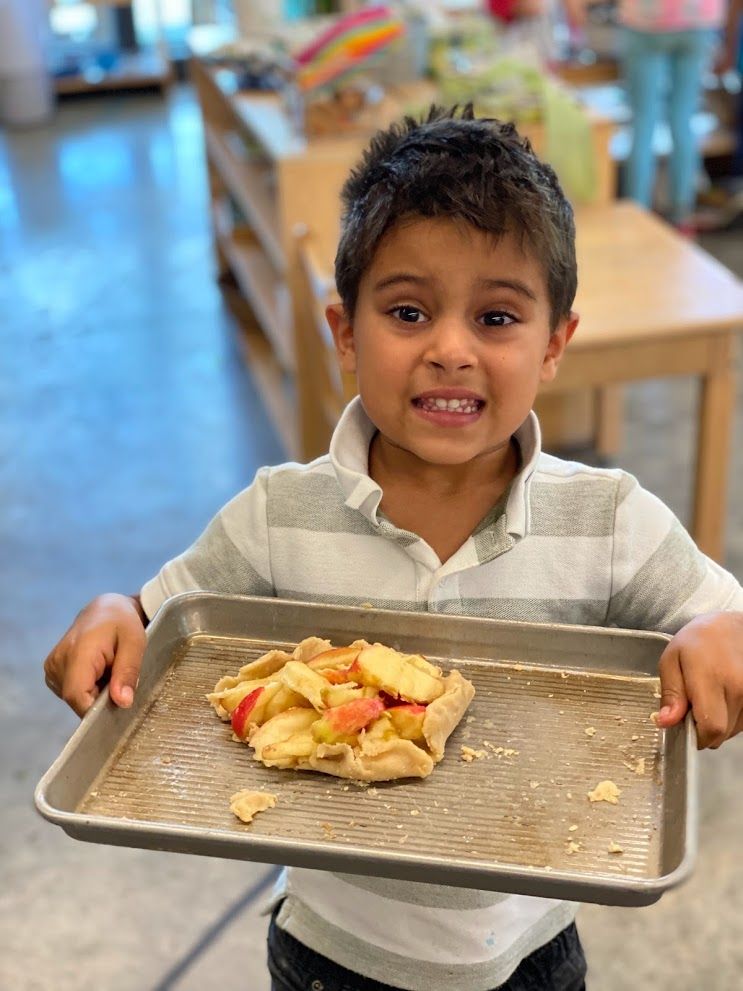
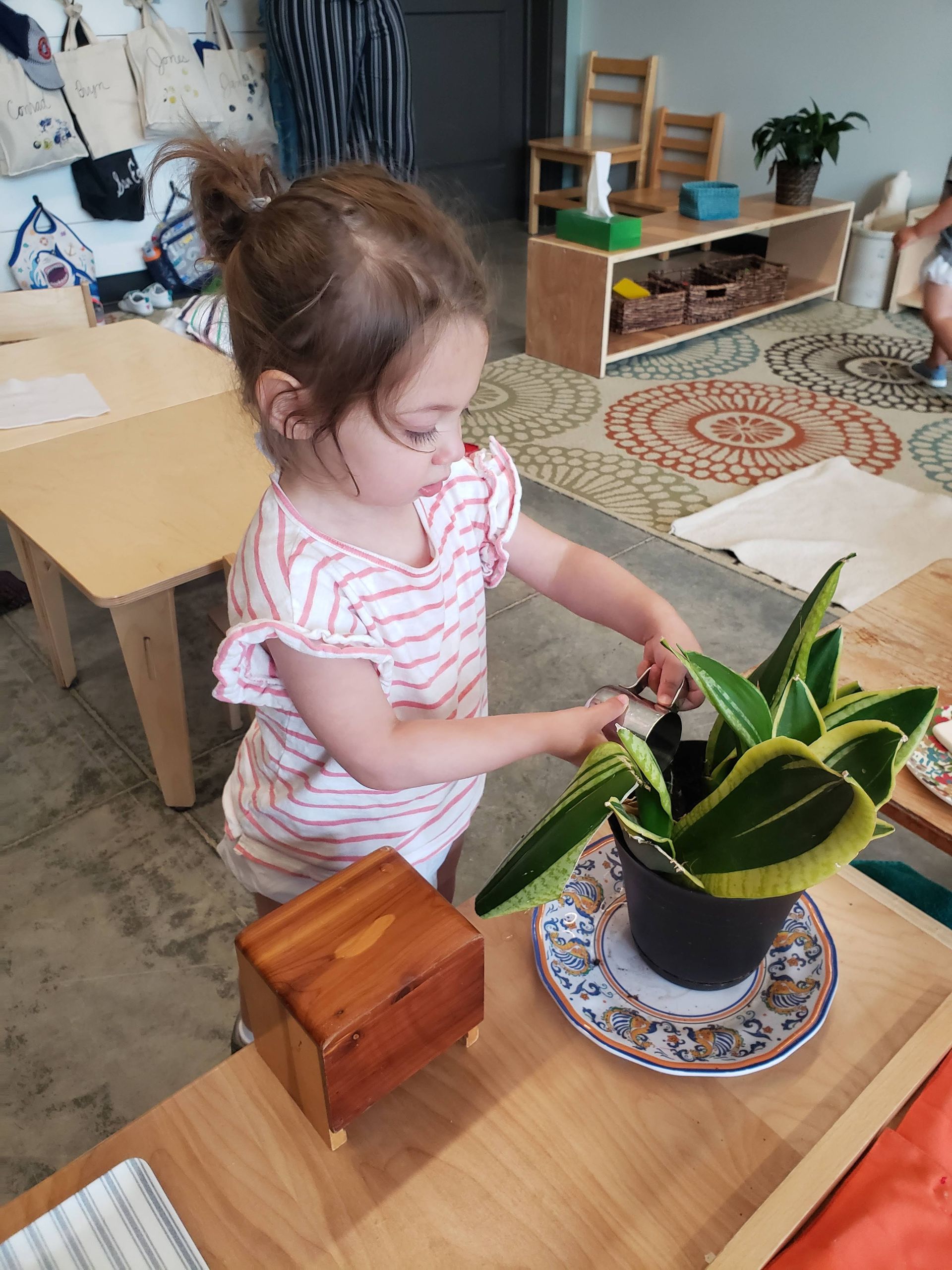
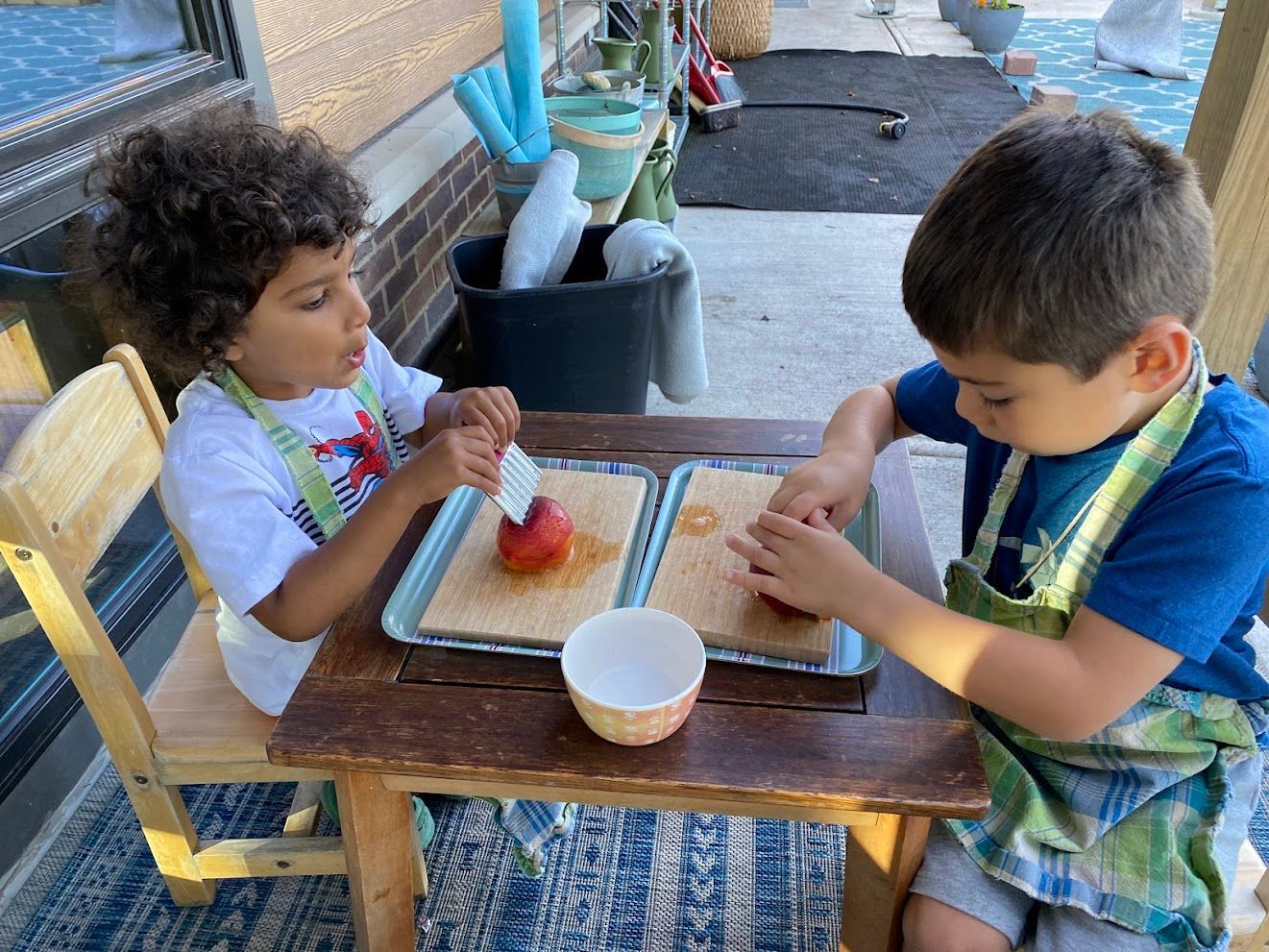
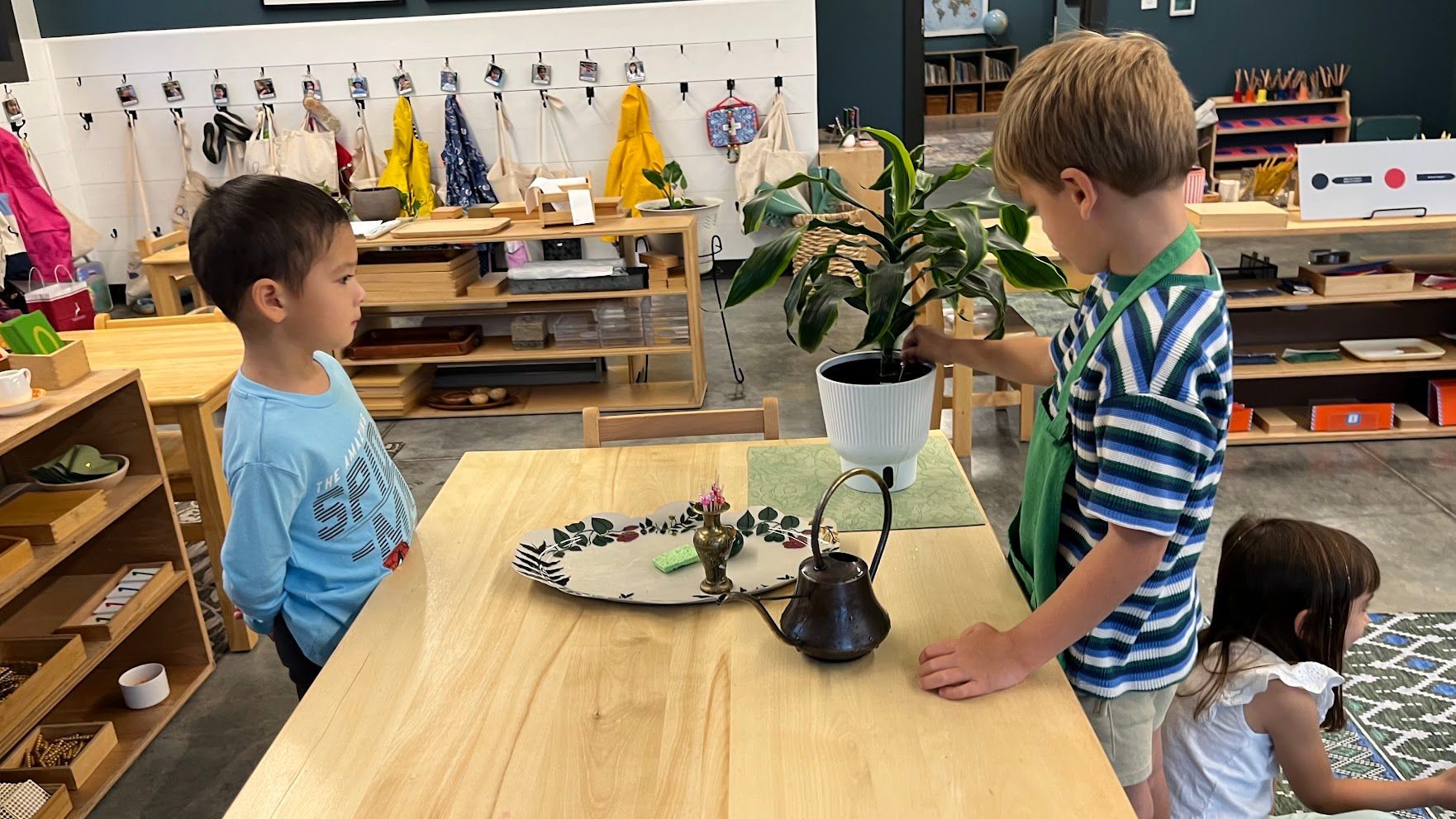
Try watering plants, folding laundry, preparing simple foods, washing tables, or sweeping. In Montessori, these aren't chores—they’re meaningful contributions that help children feel capable and included.
2. Nature Exploration
Nature offers endless opportunities for sensory discovery and calm observation.
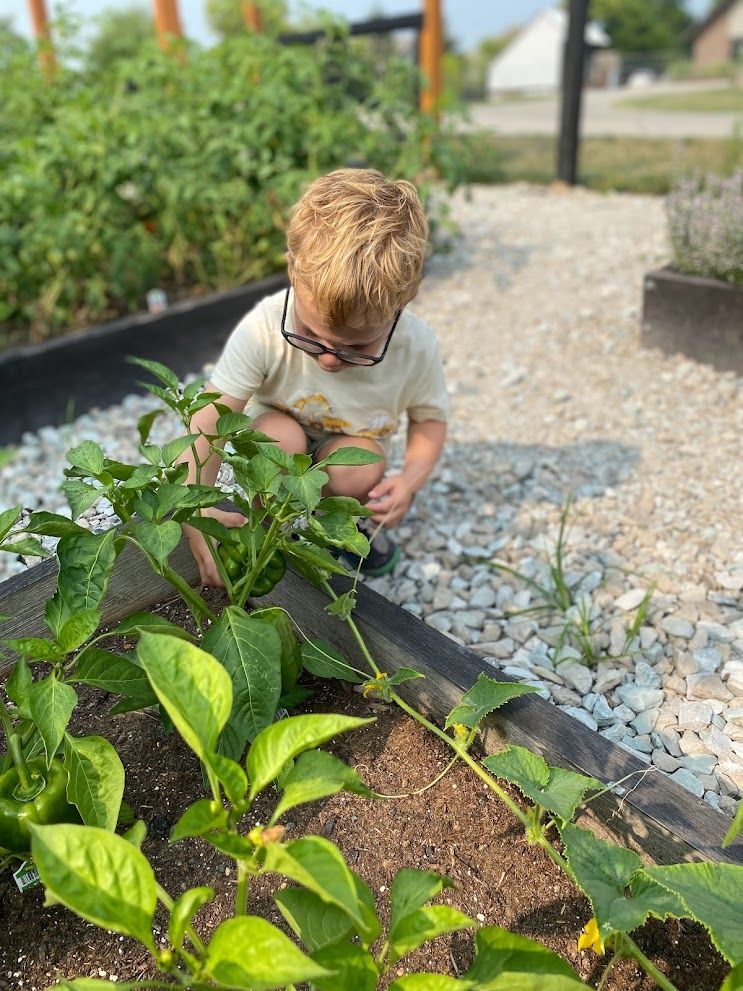
Go on nature walks, collect natural items, create a seasonal nature table, garden, watch clouds, or observe insects and birds. Even small outdoor spaces can become rich learning environments.
3. Art and Creativity
Montessori art emphasizes process over product.
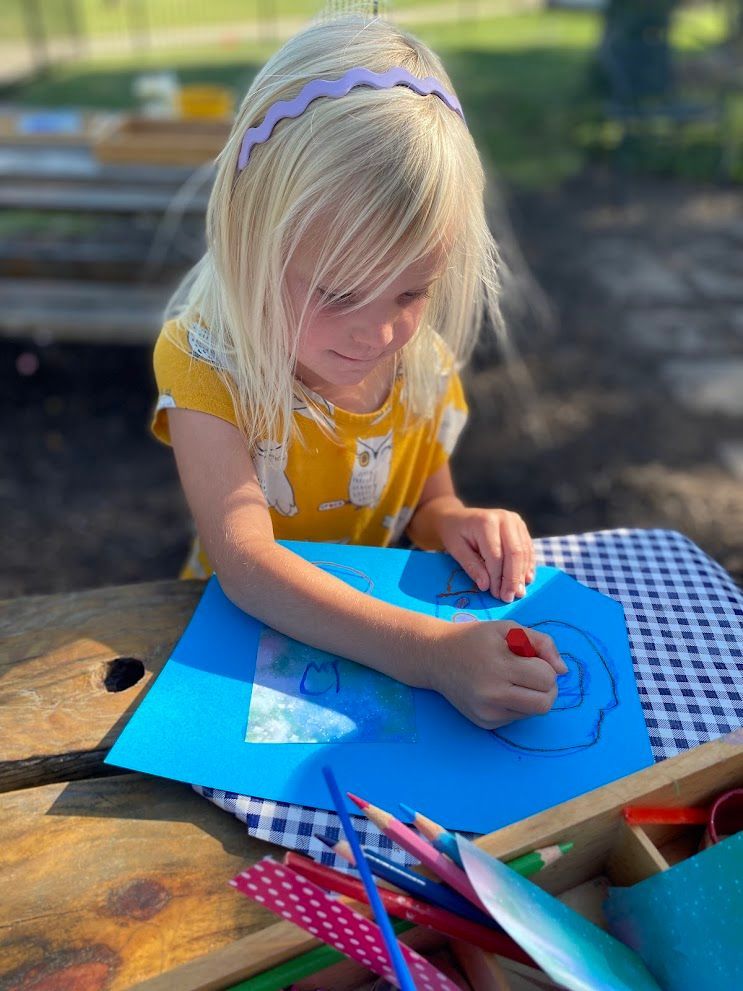
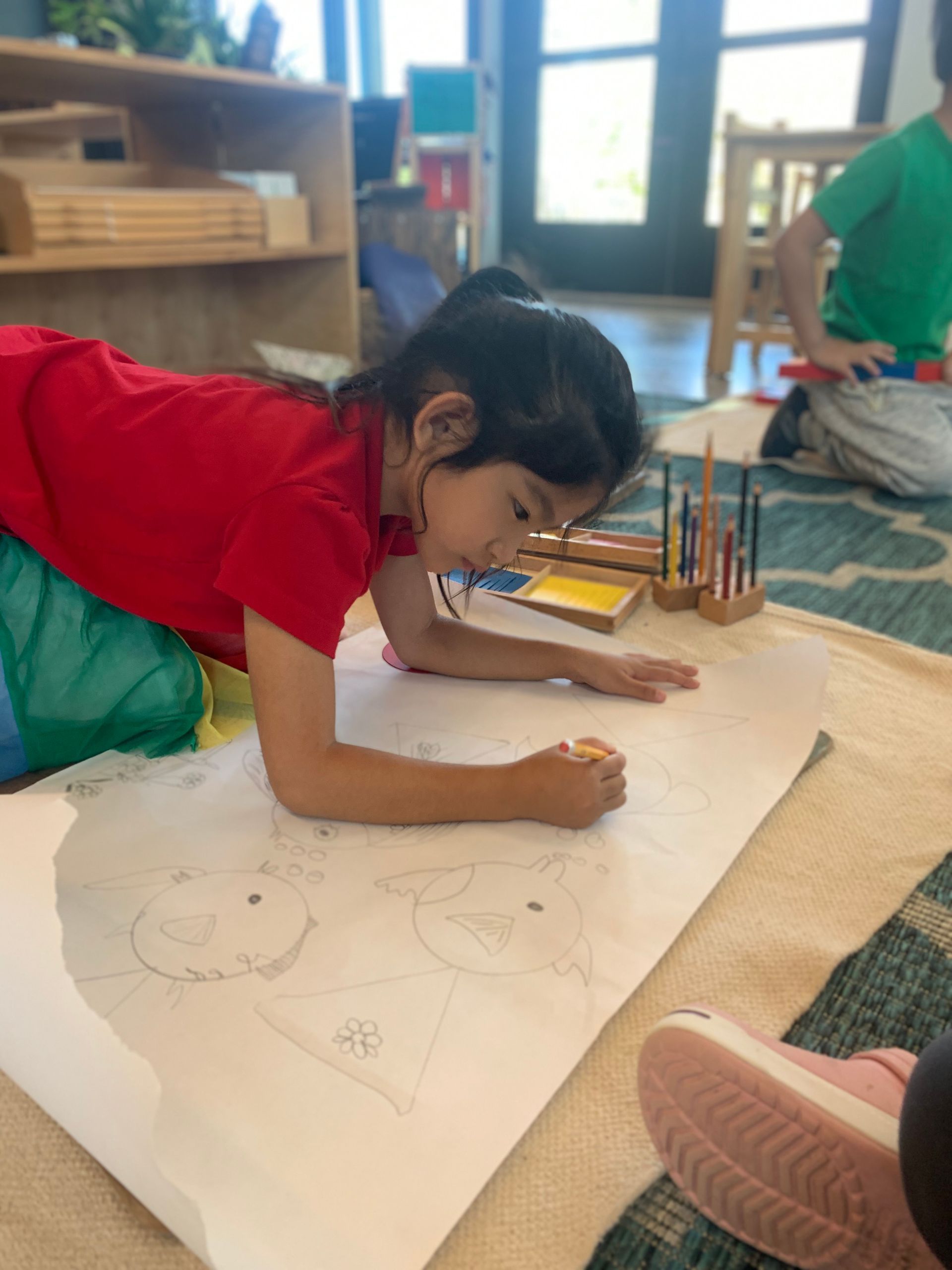
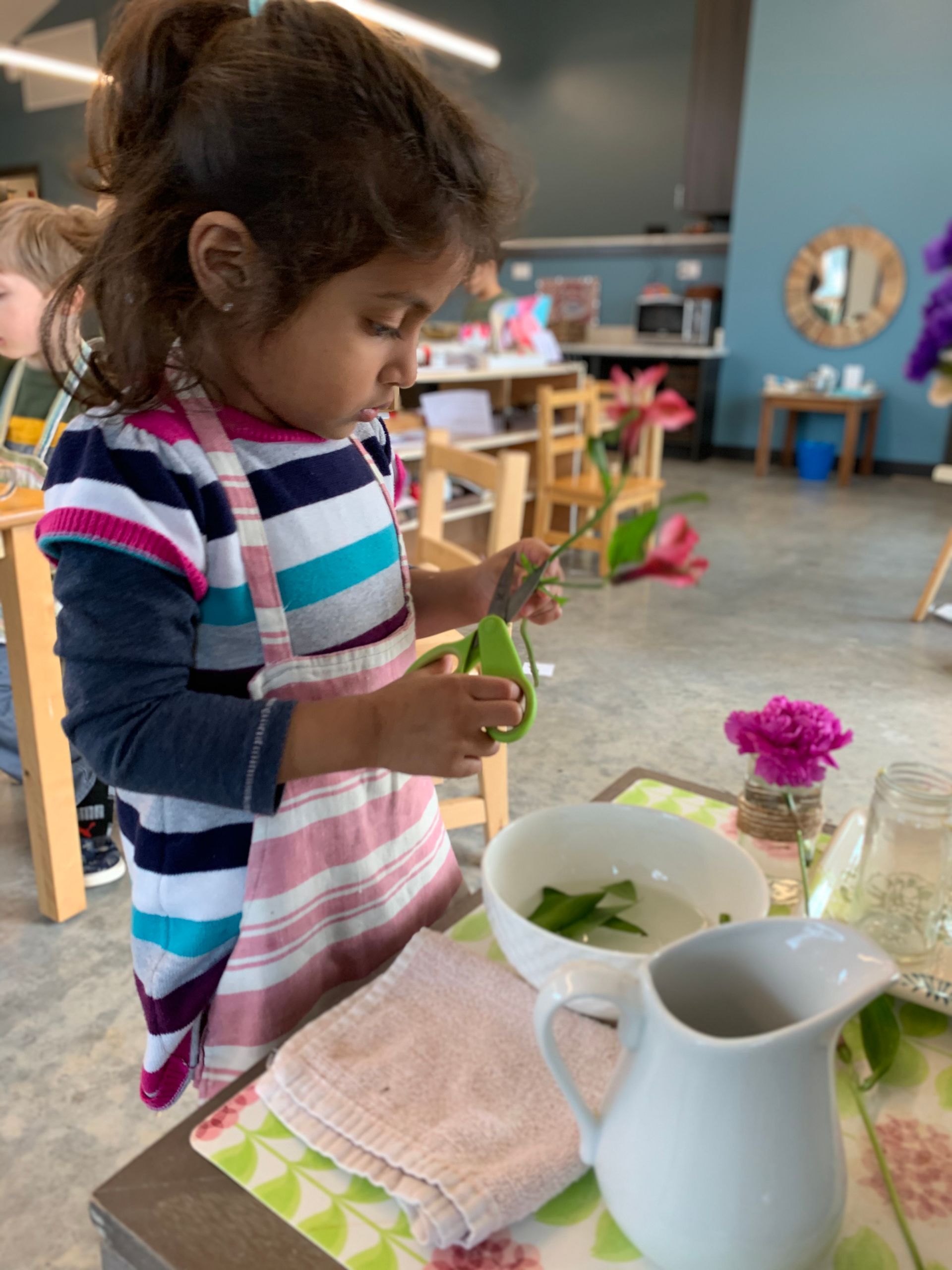
Offer accessible materials like paint, clay, paper, beads, scissors, or collage supplies. Limit instructions and let children follow their own creative impulses.
4. Sensorial Activities
Sensorial work helps children refine their senses and understand the world.
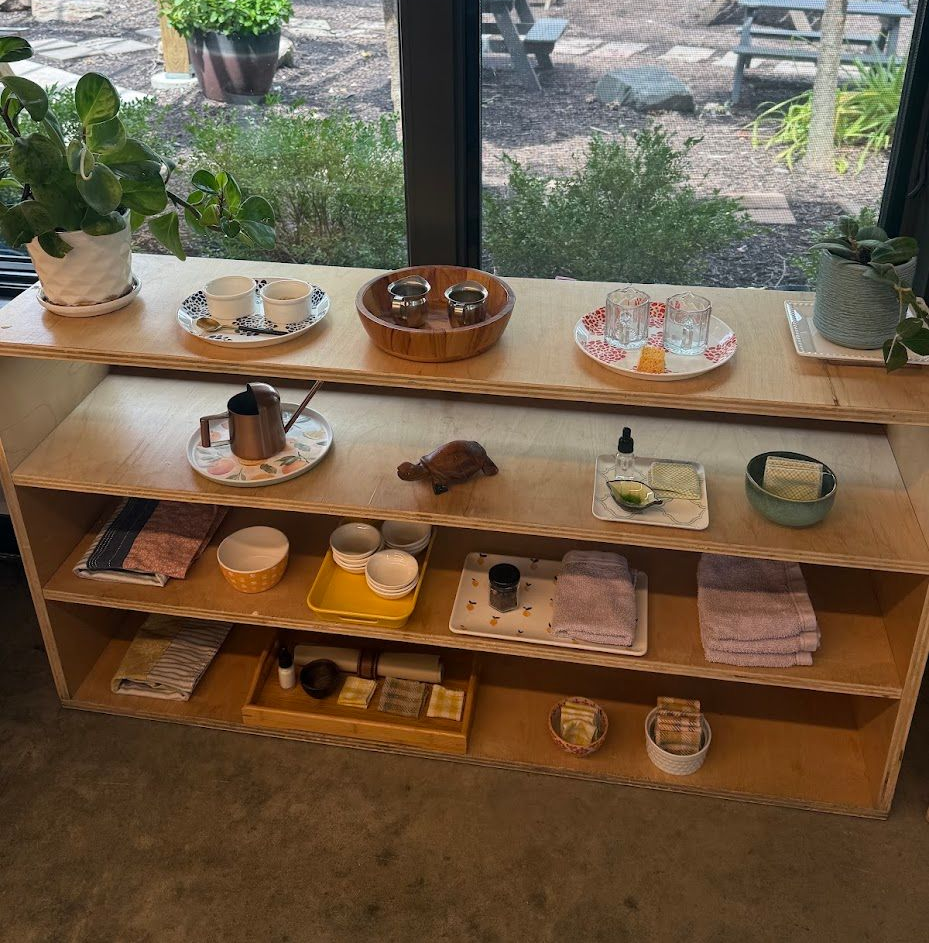
Try scent jars, rice bins, fabric textures, sound bottles, or tasting trays. These activities are calming, immersive, and developmentally supportive.
5. Language and Storytelling
Language thrives through interaction, not screens.
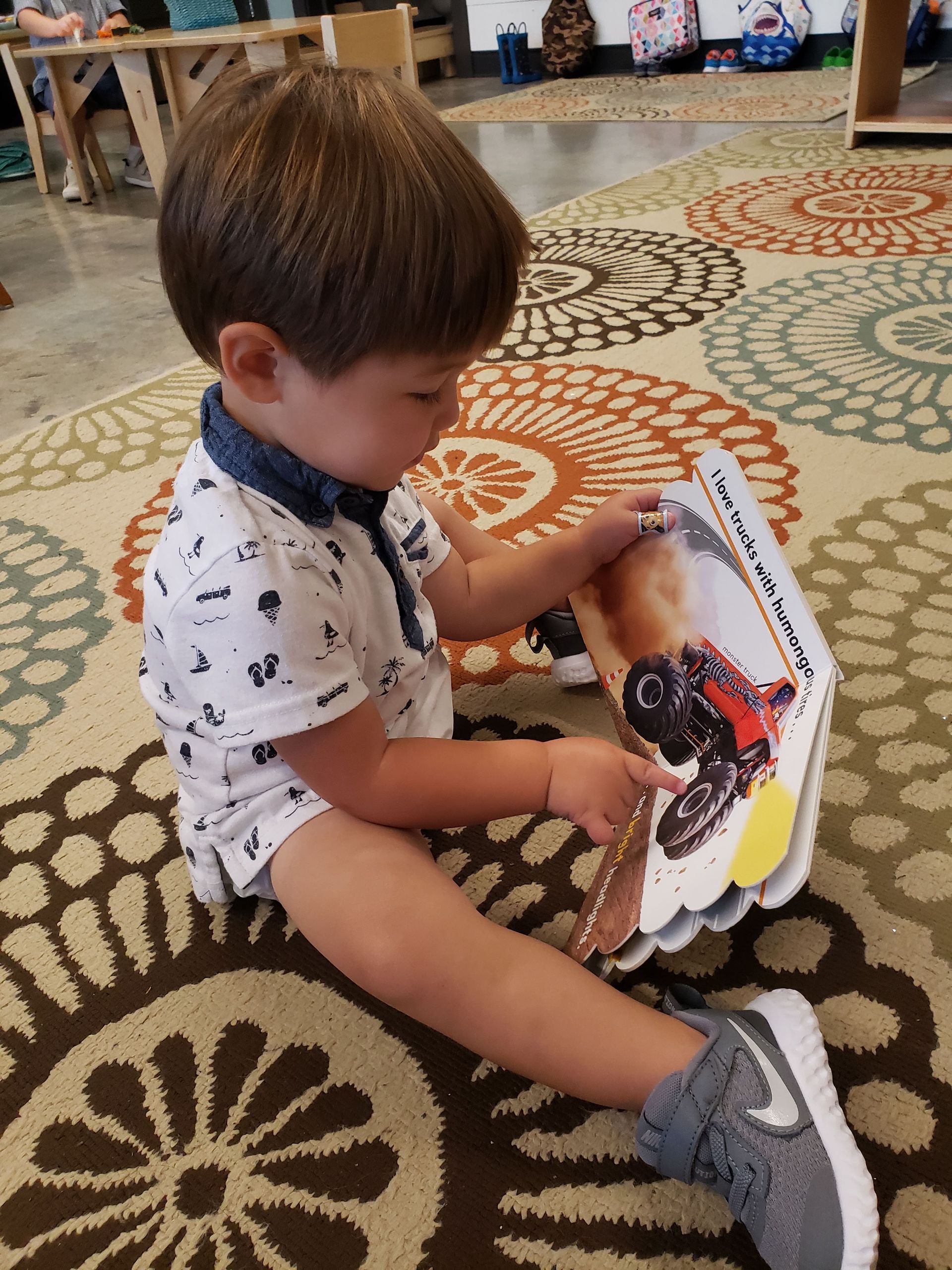
Read aloud daily, act out stories, tell family tales, play word and sound games, or create simple homemade books that celebrate children’s ideas and voices.
6. Quiet Time and Independent Play
Screen-free downtime nurtures focus, creativity, and inner calm.
Create cozy reading spaces, offer open-ended toys, provide peaceful sensory materials, play calm music, and allow boredom—it often sparks imagination.
Going screen-free isn't about deprivation; it’s about liberation. When we slow down and offer simple, real, and beautiful experiences, children thrive. Montessori reminds us that the world itself is endlessly fascinating—and that true learning grows from presence, patience, and trust in a child’s natural curiosity.