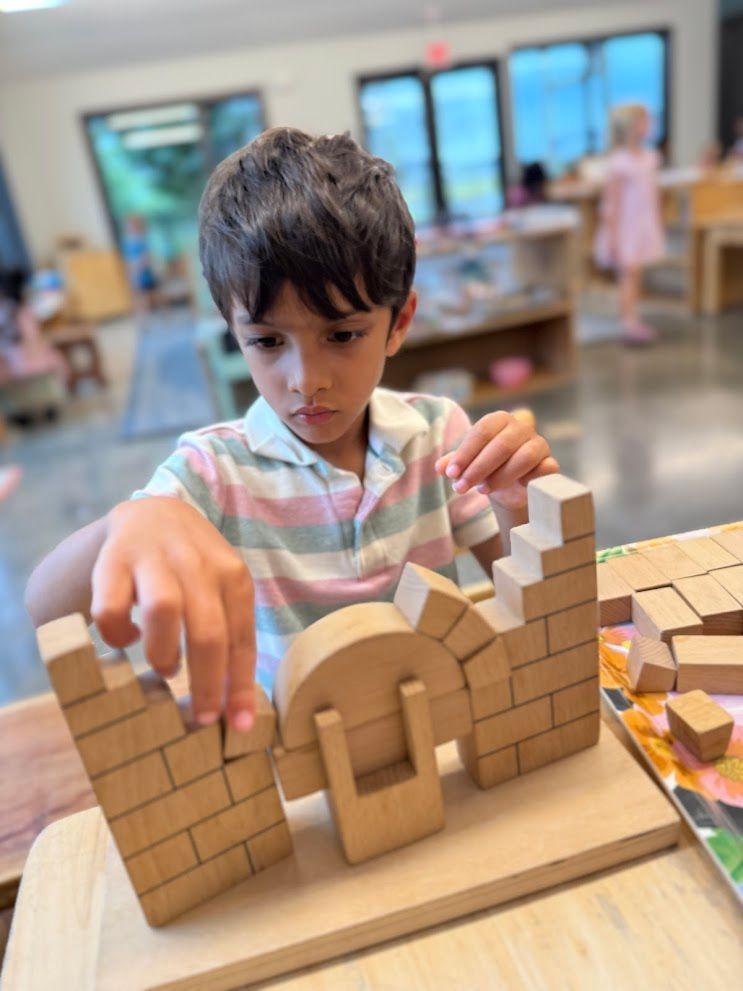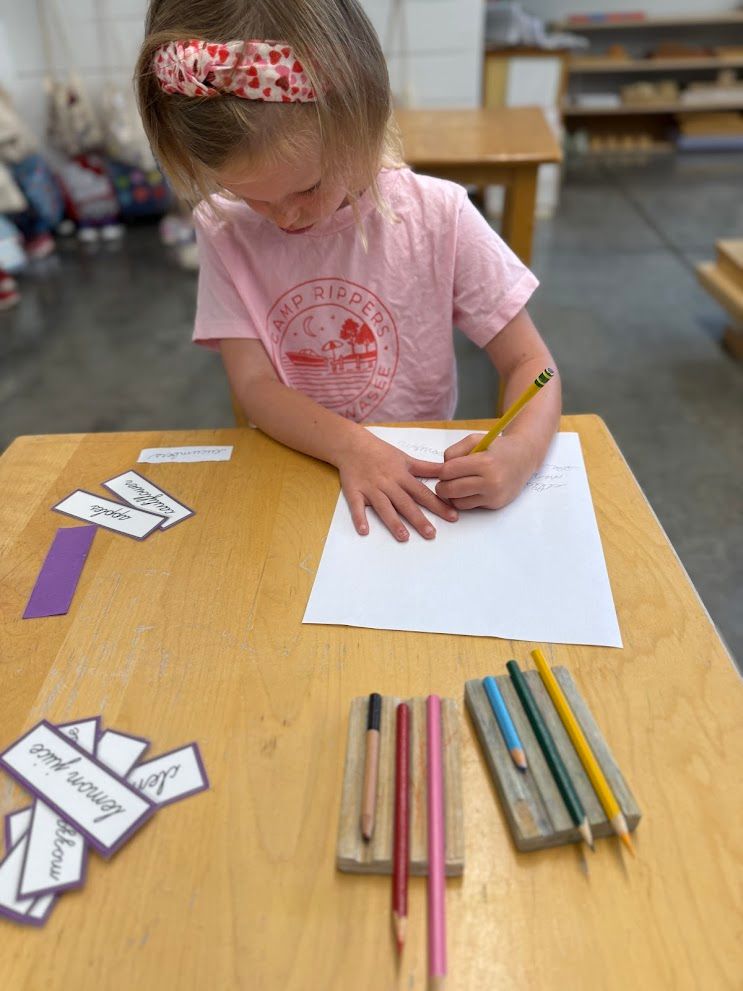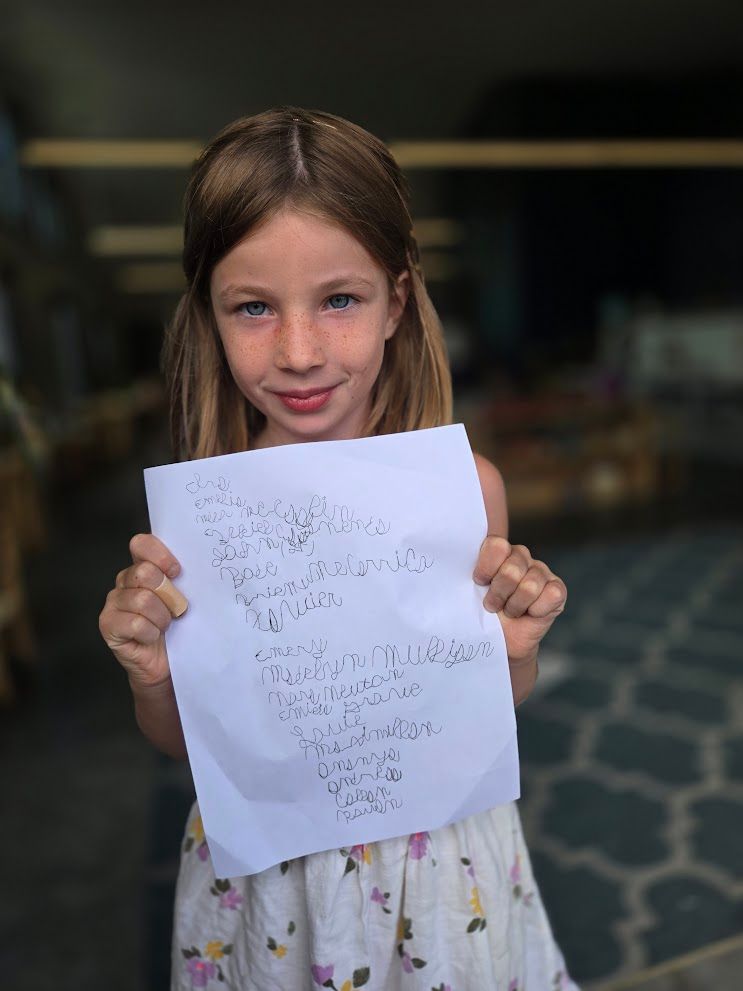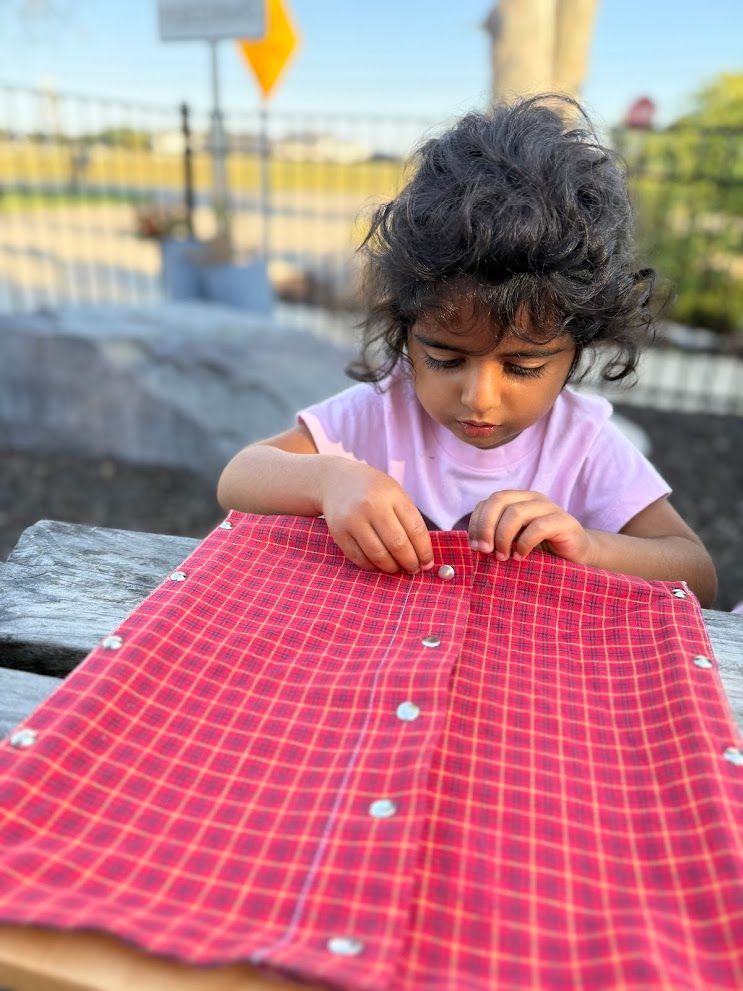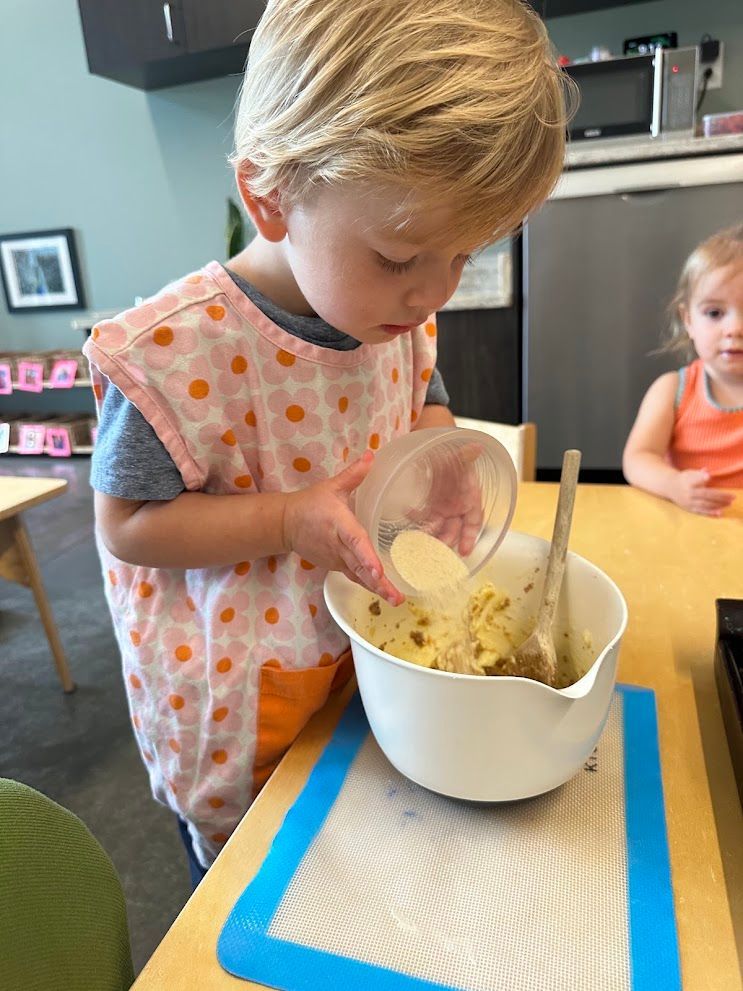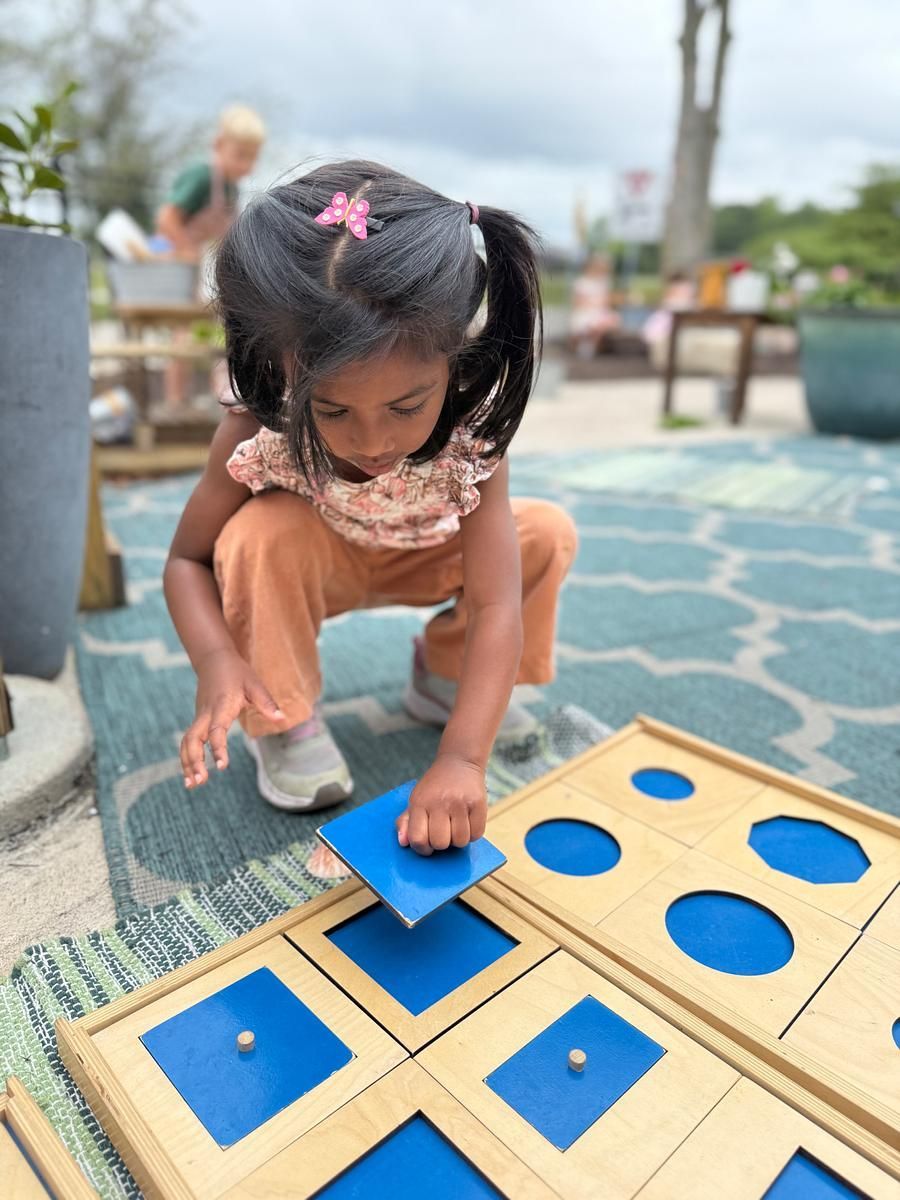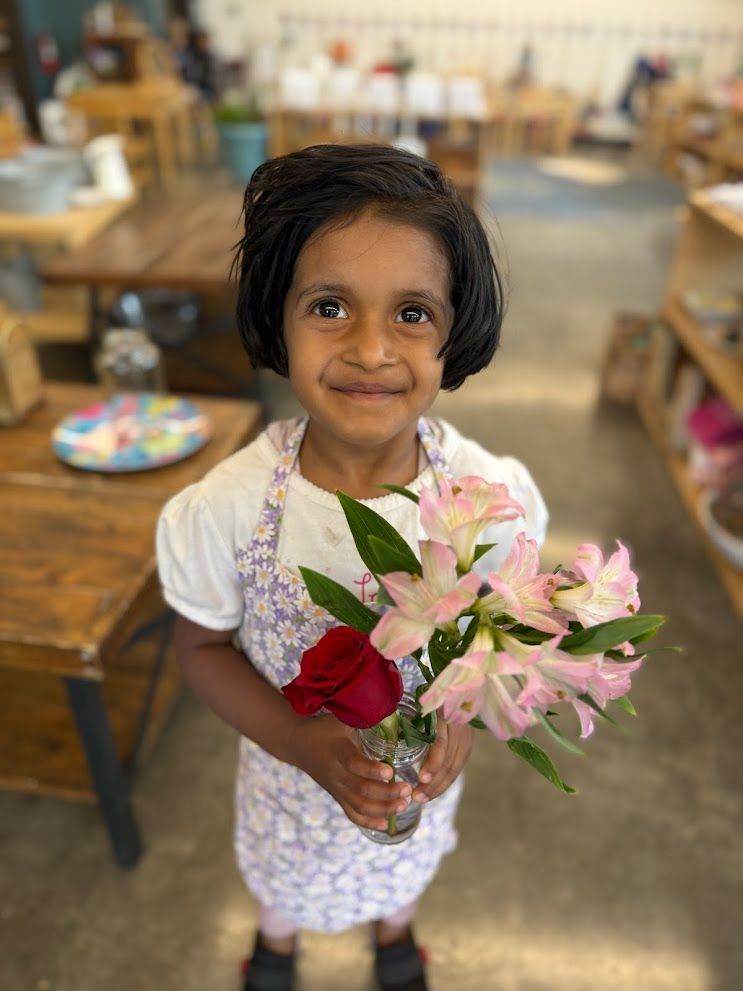
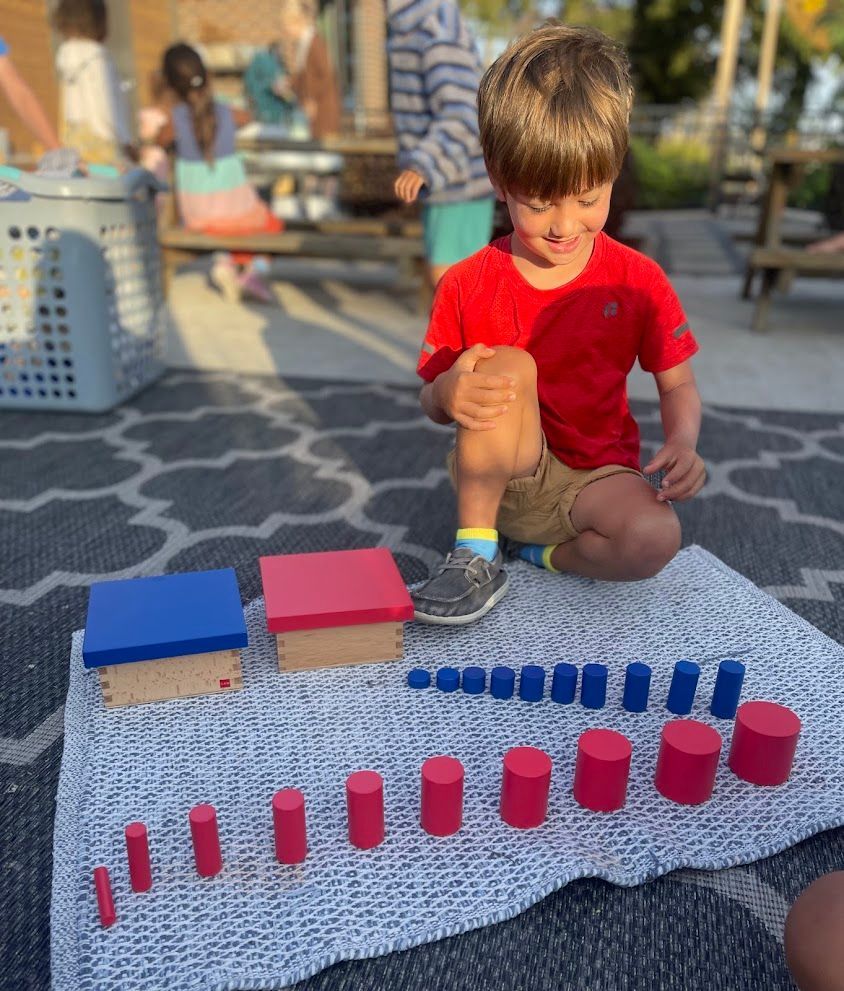
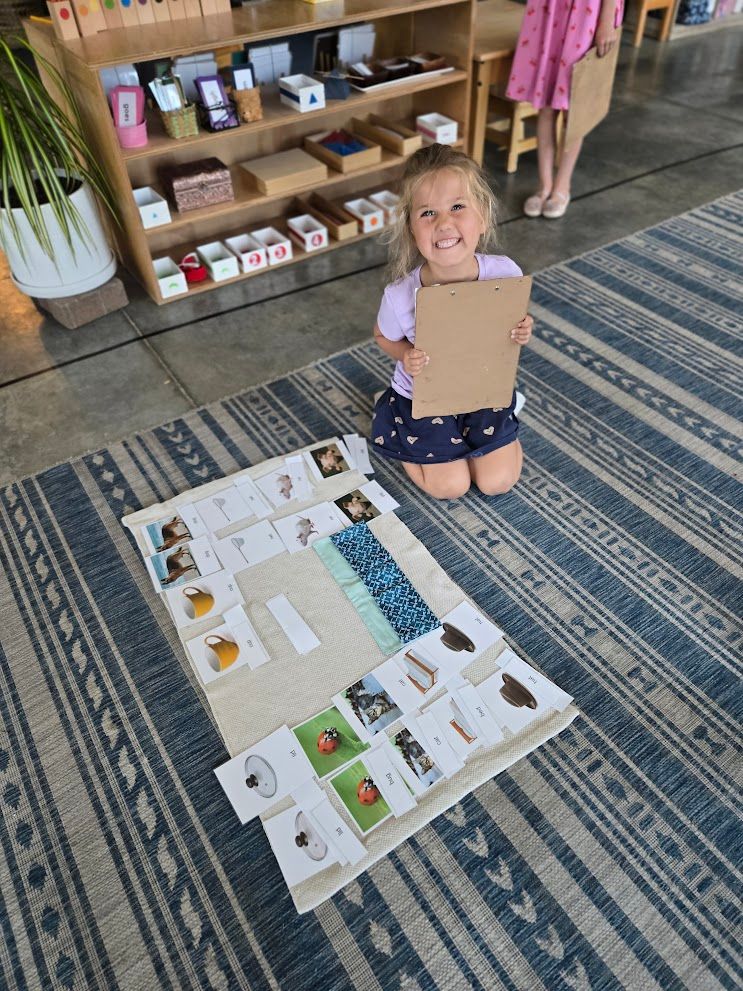
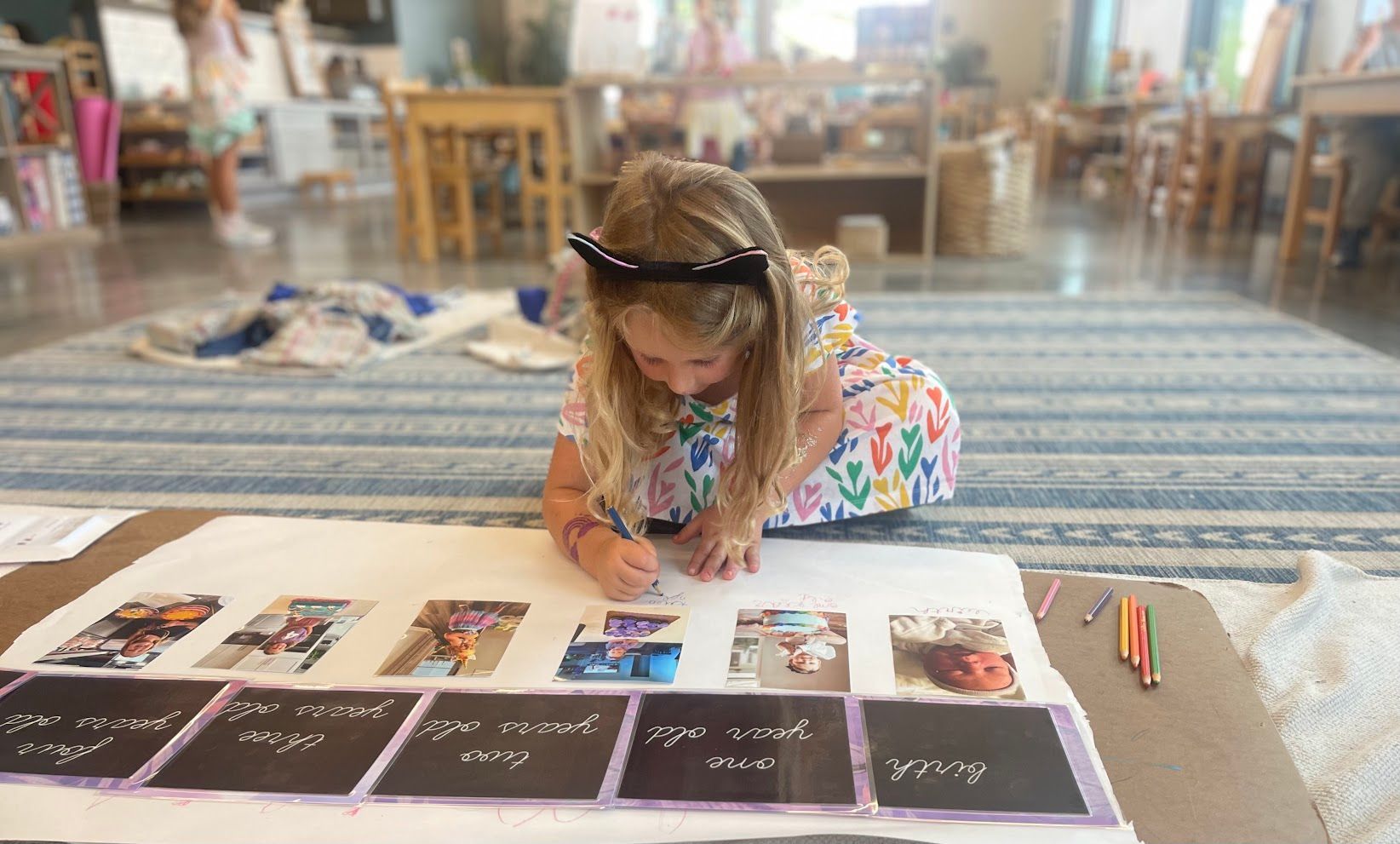
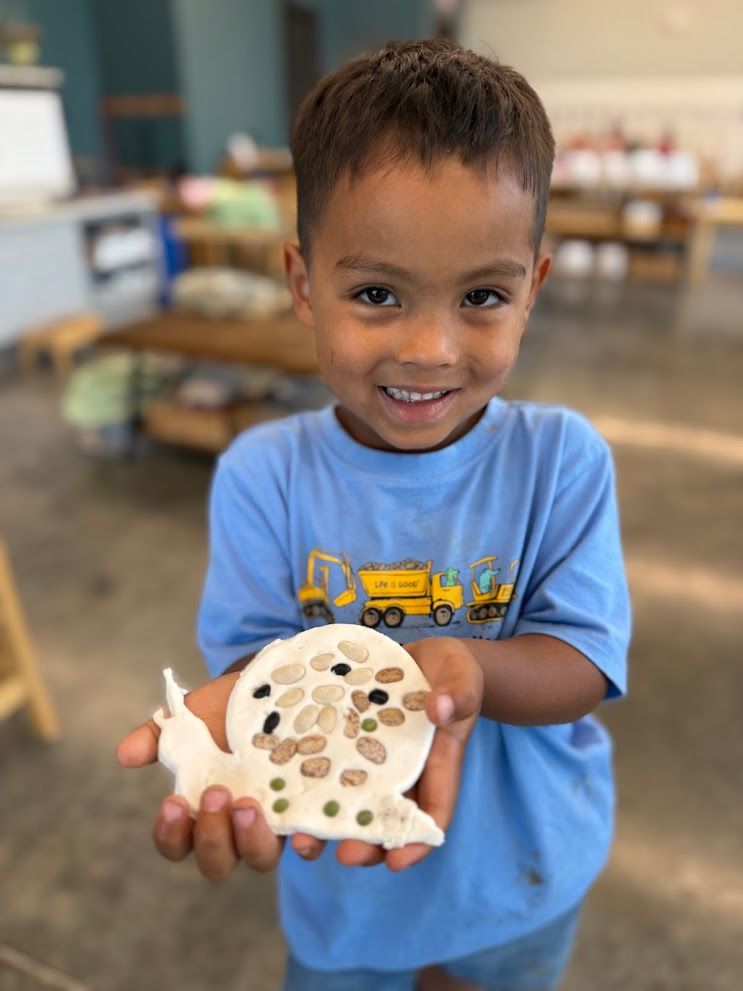
"The child’s work is not the same as the adult’s work, but it is work that is suited to the child’s developmental stage. We must always be careful to encourage effort rather than focus solely on the result."
MARIA MONTESSORI
In Montessori education, praise plays an important role, but it is approached in a way that is different from conventional methods. Instead of simply praising children for their outcomes or achievements, Montessori educators focus on acknowledging the effort and process behind a child’s work. This subtle but powerful shift helps children develop a growth mindset, fosters intrinsic motivation, and encourages a lifelong love of learning. Here’s how the Montessori approach to praise celebrates effort over results and why it is so beneficial for children’s development.
1. The Focus on Process, Not Perfection
In traditional education, it is common to praise children for achieving the right answer or completing a task perfectly. However, in a Montessori classroom, the emphasis is placed on the process rather than the result. This is because Montessori educators understand that true learning happens through effort and persistence. When a child is praised for their effort, rather than the end product, they are encouraged to see the value in the journey, not just the destination.
For example, if a child is working on a puzzle, instead of saying, “Good job! You finished it!” a Montessori teacher might say, “I noticed how carefully you looked at the pieces and tried different combinations. That was really thoughtful work.” This kind of praise reinforces that the effort and thought process behind the task are just as valuable—if not more so—than the final product.
2. Encouraging a Growth Mindset
When children are praised for their effort, they internalize the idea that success is the result of hard work, perseverance, and learning from mistakes. This mindset is foundational to the growth mindset, a concept popularized by psychologist Carol Dweck. A growth mindset encourages children to view challenges as opportunities to grow and improve, rather than as obstacles to avoid. By focusing on effort over results, Montessori educators help children understand that intelligence and abilities can be developed through practice and persistence. When children hear praise for their effort, they learn that trying hard, overcoming difficulties, and learning from mistakes is just as important—if not more important—than getting everything right the first time. This reduces the fear of failure and encourages children to take on challenges with confidence.
3. Building Intrinsic Motivation
In Montessori classrooms, praise is not used to create external rewards or a need for validation. Instead, the goal is to cultivate intrinsic motivation, where children engage in activities because they enjoy them, find them interesting, or are proud of the effort they put into their work.
When a child is praised for their effort, they begin to internalize the feeling of accomplishment that comes from hard work. For instance, instead of hearing, "You're so smart for solving that math problem," a child might hear, "I can see you worked really hard on figuring that out. You didn't give up!" This type of praise reinforces the value of persistence, and the child learns to find satisfaction in the process itself, rather than relying on external validation or praise.
4. Avoiding Praise That Creates Pressure
In some traditional educational settings, children are frequently praised for achieving a certain result—whether it’s getting the right answer, completing a task quickly, or performing well in a competition. While this kind of praise may feel good in the short term, it can create undue pressure to keep achieving in the same way, often leading to anxiety, fear of failure, and perfectionism.
In contrast, Montessori educators aim to give praise that is non-judgmental and focuses on the effort and persistence children demonstrate. For example, rather than saying, "You did such a great job—everyone will be so impressed!" the teacher might say, "You kept trying even when it was difficult. That’s a great way to learn!" This helps to relieve pressure and ensures that children do not tie their self-worth to the outcomes they achieve.
5. Praise That Builds Confidence, Not Dependence
By praising effort, children learn to recognize and celebrate their own strengths. They come to understand that success is not about being naturally good at something but about putting in the time and energy required to improve. When praise is focused on effort, children build self-confidence because they know they have the power to shape their learning through dedication and hard work This approach to praise also helps to reduce dependence on external validation. Rather than waiting for someone else to tell them they did a good job, children learn to recognize and appreciate their own growth and progress. They become motivated by an internal desire to improve, rather than the need for validation from others.
6. Praise that Encourages Self-Reflection
Another key aspect of Montessori praise is that it encourages self-reflection. Instead of simply offering generic praise like "Great job," children are often prompted to think about their own experience. Teachers may ask, “How do you feel about your work?” or “What part of the task did you enjoy the most?” This helps children develop an awareness of their own learning process and reflect on their achievements. Self-reflection is an important skill that supports growth and development. By recognizing their own effort, children are able to internalize their accomplishments, which increases their sense of pride and self-esteem. They also become more aware of how they can continue to improve in the future.
7. Celebrating Effort Across All Areas of Development
In Montessori, praise for effort is not limited to academic achievements. The Montessori approach recognizes the importance of fostering a child’s social, emotional, and physical development as well. Whether it’s working together in a group project, showing kindness to a peer, or persevering through a physical challenge, children are praised for their efforts in all areas of development. For example, if a child shows kindness to another, a teacher might say, "I saw you helped your friend when they were feeling sad. That was very caring." This acknowledges the child’s effort to be kind and supportive, which builds emotional intelligence and social responsibility. Similarly, a child who works diligently on an art project might hear, "You really focused on making your art just the way you wanted it. It looks like you put a lot of care into your work!"
In the Montessori classroom, praise is a powerful tool that nurtures a child’s sense of effort, perseverance, and intrinsic motivation. By focusing on the process rather than the result, Montessori educators help children build confidence in their ability to learn, grow, and improve. This approach to praise fosters a love of learning, encourages resilience in the face of challenges, and supports the development of a healthy, growth-oriented mindset. By celebrating effort over results, we are not only helping children succeed in the classroom but also preparing them for a lifetime of learning and personal growth. When children understand that effort leads to progress—and that the journey itself is worth celebrating—they are empowered to take on challenges with curiosity and confidence.