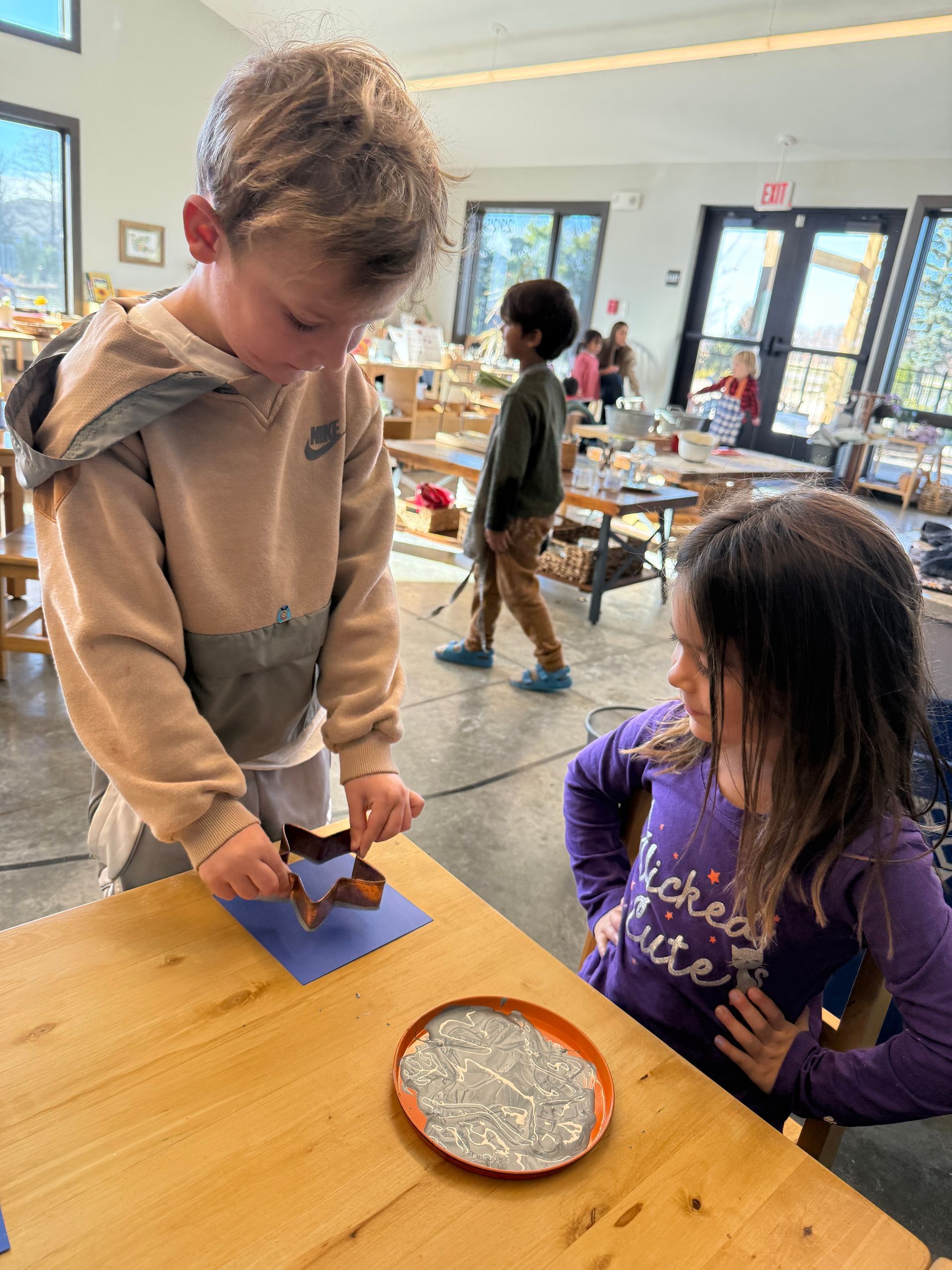
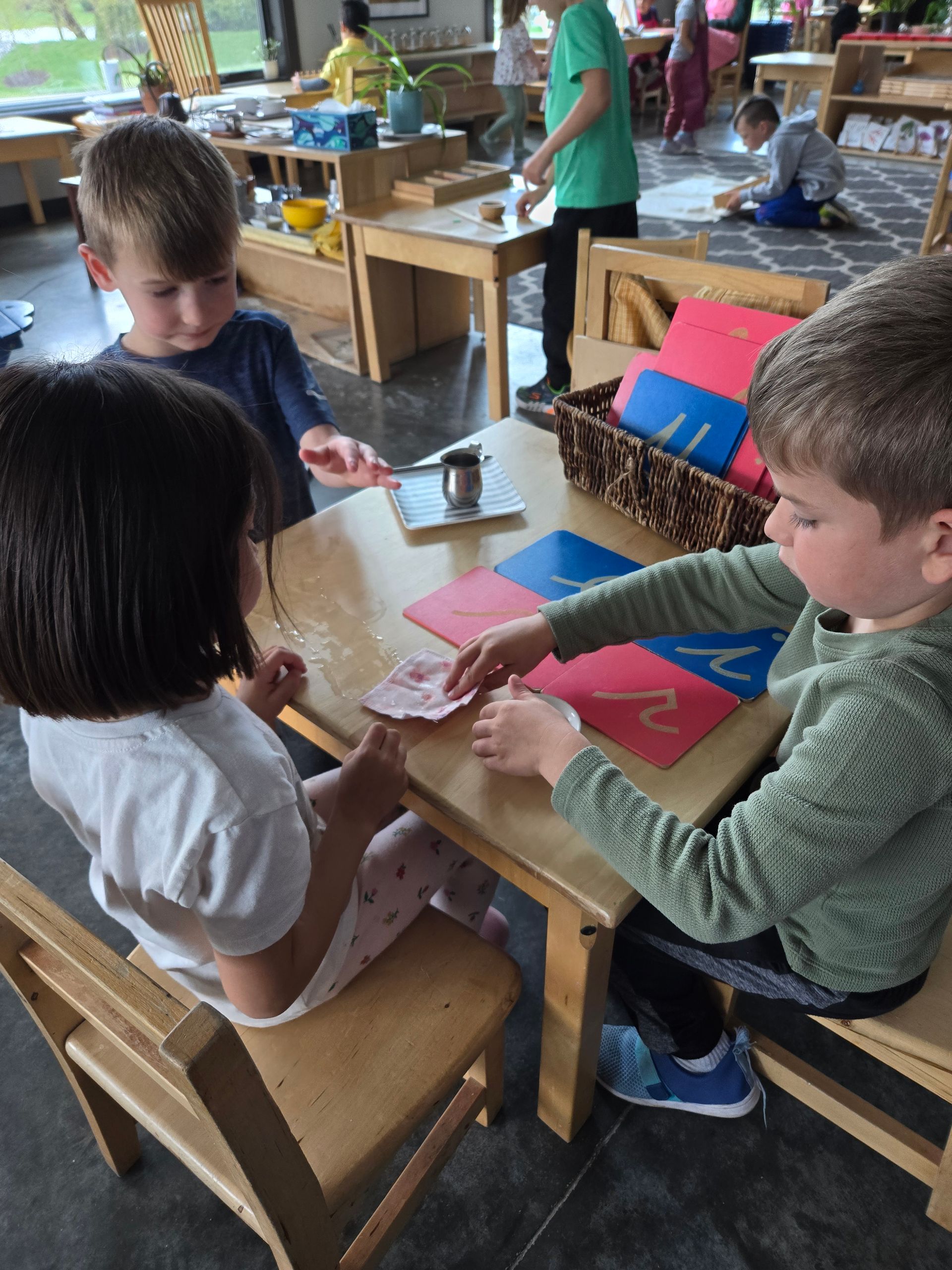
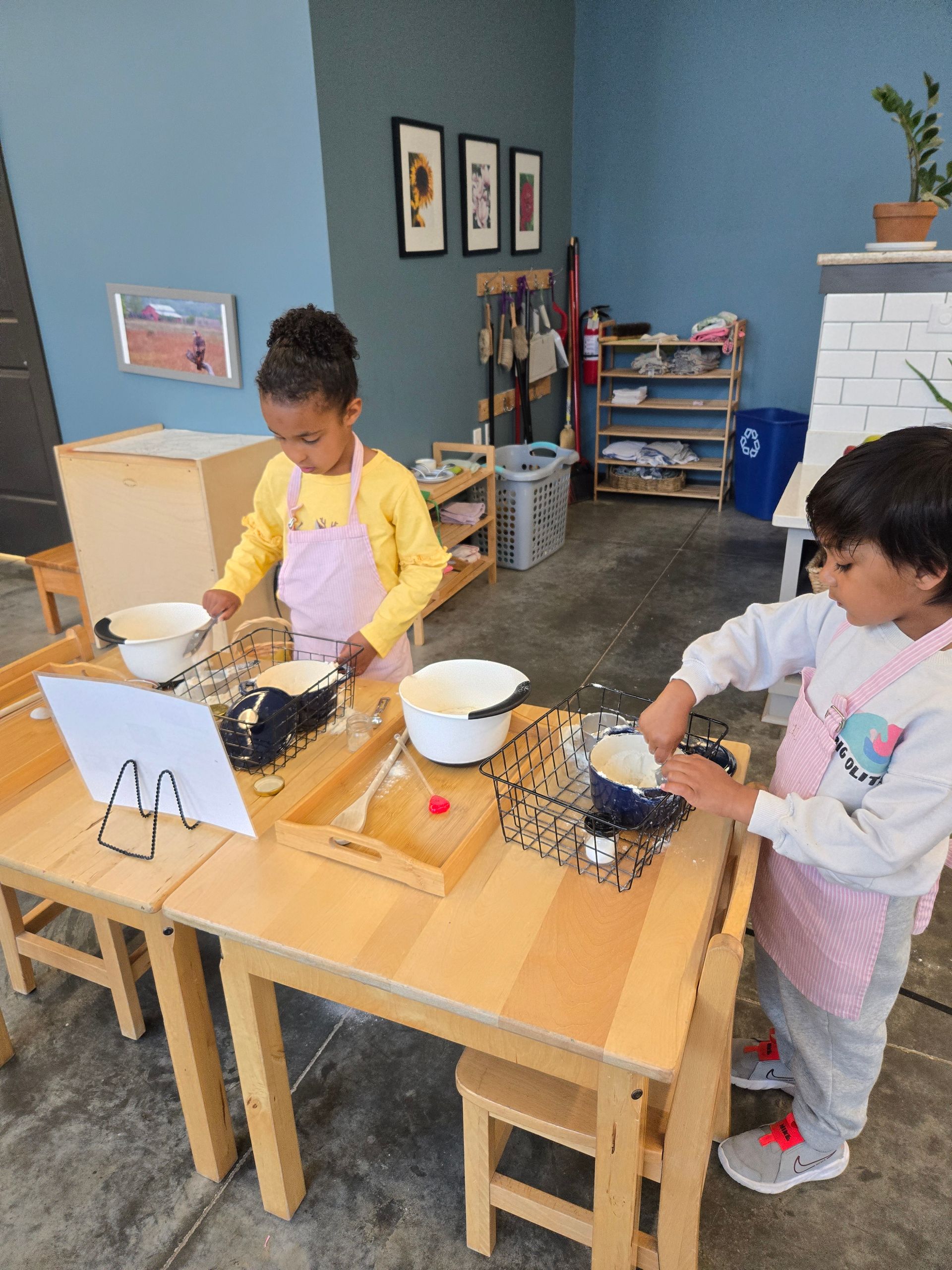
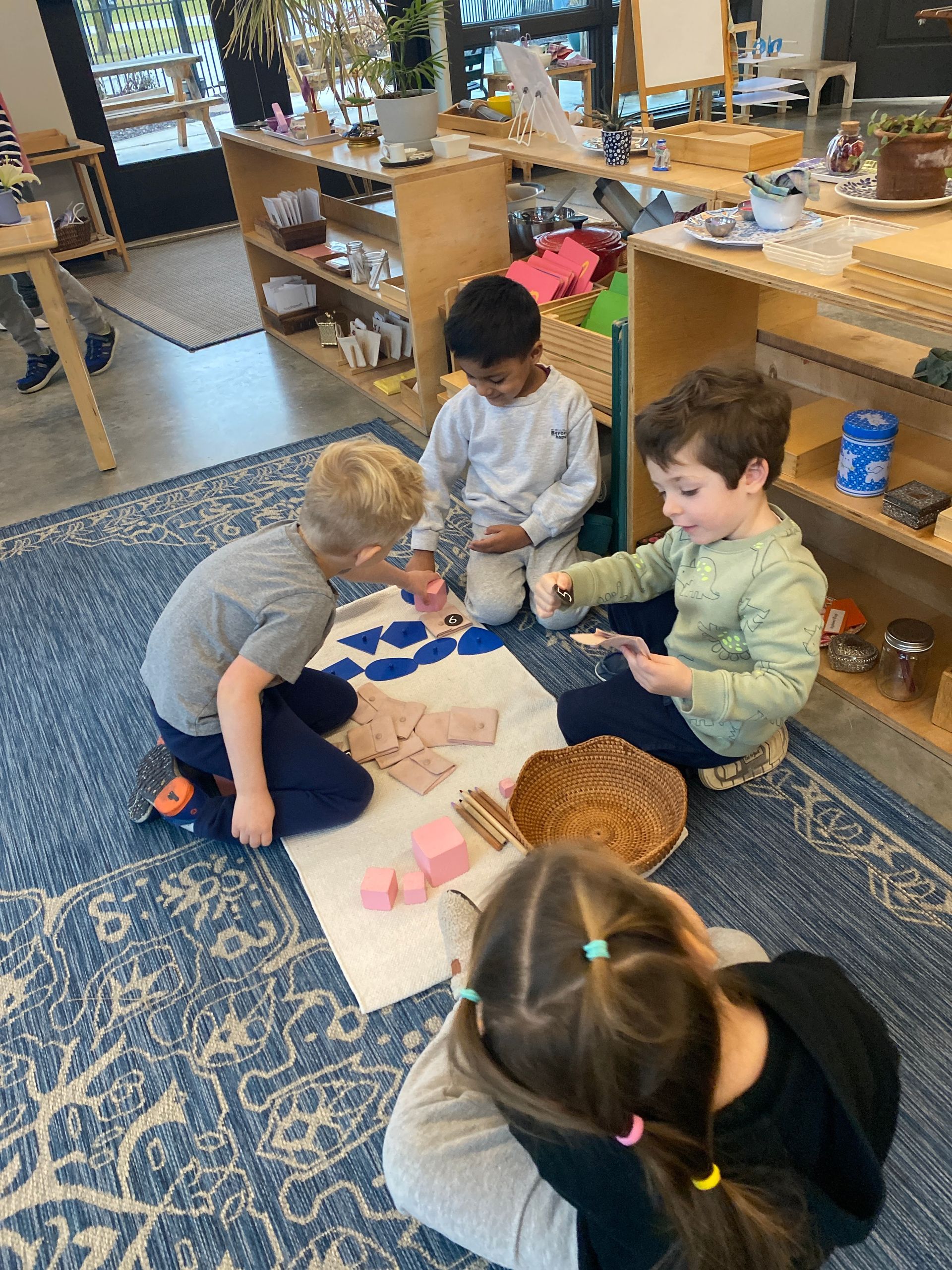
"Whoever seeks a new path to guide humanity to a higher level must look to the child as to a new teacher who brings a new light. As such we have come to know him and as such we venerate him."
MARIA MONTESSORI
Conflict Resolution in the Montessori Primary Classroom:
Empowering Children with Communication Tools
Conflict is a natural part of human interaction, especially in environments where young children are learning to socialize, share, and collaborate. In a Montessori Primary classroom (ages 3–6), conflict resolution is not only about resolving disputes but also about empowering children to understand and manage their emotions, communicate effectively, and find peaceful solutions independently. Dr. Maria Montessori believed that children are capable of resolving conflicts on their own if given the right tools and guidance. Here’s how conflict resolution is approached in a Montessori Primary classroom, with an emphasis on communication skills and fostering independence.
Creating a Peaceful Environment
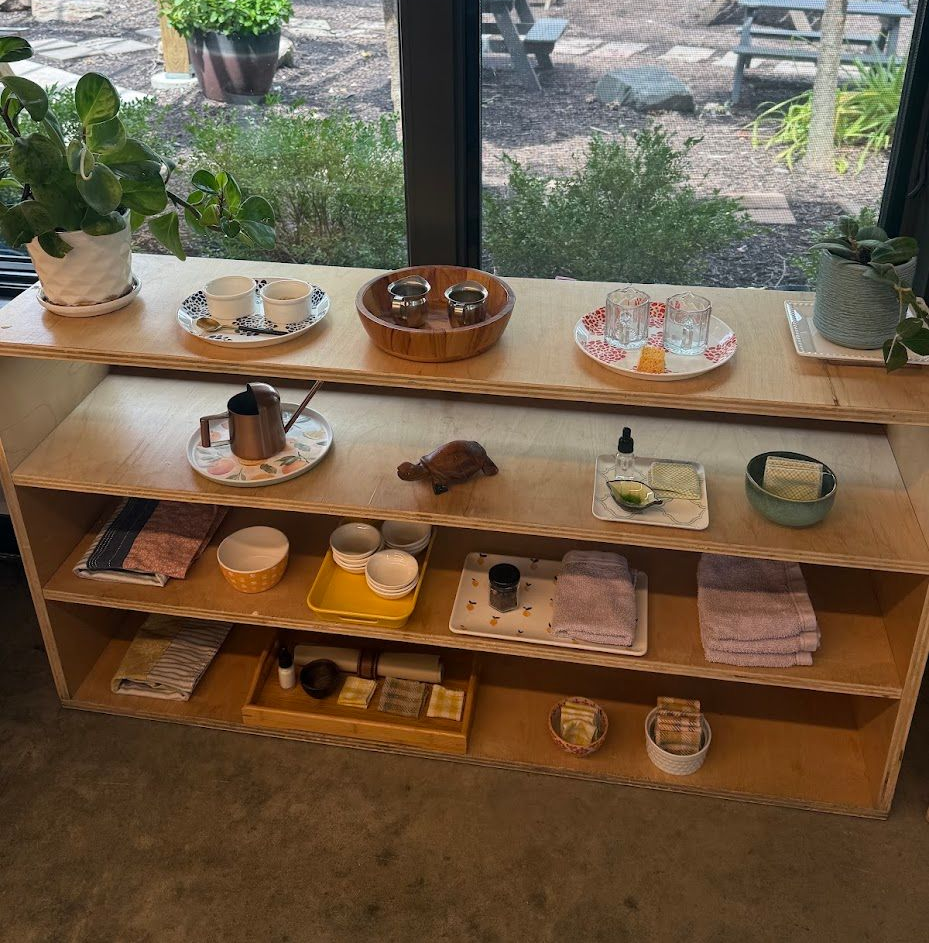
The foundation of conflict resolution in a Montessori classroom starts with the environment itself. A peaceful, prepared environment that promotes respect, order, and calmness allows children to feel safe and secure. Montessori classrooms are designed to encourage cooperation and respectful communication, so children are already immersed in an atmosphere that values peaceful interactions.
A key element in the Montessori philosophy is the idea of respect for others. This means that every child, whether interacting with peers or adults, is encouraged to respect personal boundaries, emotions, and ideas. By modeling peaceful behavior and creating an environment that emphasizes respect, children learn to navigate conflicts in a calm and thoughtful way.
Teaching Communication Skills
In the Montessori classroom, children are given the tools they need to communicate effectively. This is vital when it comes to conflict resolution. From a very early age, children are encouraged to express their thoughts and feelings clearly, which helps them resolve disagreements peacefully and respectfully.
Here are some communication tools children are encouraged to use in the Montessori Primary classroom:
- Using "I" Statements: Children are taught to express their feelings and needs using "I" statements, such as “I feel upset when you touch my work.” or “I need some space.” This focuses on expressing personal feelings and needs without blaming or accusing others, which is essential for constructive conflict resolution.
- Active Listening: Montessori classrooms emphasize the importance of listening to understand, not just to respond. When a conflict arises, children are encouraged to listen to each other’s perspectives without interrupting. This helps children feel heard and validated, which is a key component in resolving conflicts.
- Calm and Clear Language: Children are prompted to use calm, clear language during conflicts. The adults in the room model this by speaking calmly and respectfully, even during moments of frustration or disagreement. Children learn by observing how to express themselves calmly, even in emotionally charged situations.
These communication strategies (like “I” statements, active listening, waiting turns to speak) are introduced through Grace and Courtesy lessons. This links conflict resolution to the wider Montessori curriculum.
Conflict Resolution Strategies
The guide’s role is to model respectful communication consistently. The adult’s calm presence—showing neutrality, patience, and fairness—is essential for children to internalize conflict resolution skills. While teachers are always available to model for the children, a key part of the Montessori approach is to encourage independent conflict resolution when possible. Children are not immediately intervened upon when conflicts arise. Instead, they are given the time and space to try resolving the conflict on their own, with adult support only when necessary. This encourages children to take ownership of their feelings and actions.
Here are some strategies used in Montessori classrooms to help children resolve conflicts:
- Encouraging Dialogue: When a conflict arises, children are encouraged to talk to each other to find a solution. The teacher may guide the children by asking open-ended questions like, “What happened?” or “How do you think we can solve this problem?” This prompts the children to reflect on their actions and work together to find a peaceful resolution.
- Guiding Through the Process: If the conflict escalates or the children are unable to find a solution independently, the teacher steps in as a mediator. However, instead of simply solving the problem for them, the teacher asks guiding questions that help the children come to their own conclusions. This fosters critical thinking, problem-solving, and emotional regulation.
- Role-Playing and Practice: To build confidence in conflict resolution, children often engage in role-playing activities where they practice resolving hypothetical conflicts. This could include practicing sharing, taking turns, or expressing feelings. Role-playing helps children build social skills and prepares them to handle real-life conflicts more effectively.
- Elaborating on Needs and Feelings: Instead of simply saying “They're being mean,” children are encouraged to elaborate on what they need or don't like in the situation. For example, a child might say, “I don't like it when you touch my work,” rather than labeling the other child as “mean.” This helps children focus on the specific behavior that is causing the issue, allowing for more effective communication and problem-solving. By articulating what they need or want—whether it's a turn with a toy, personal space, or an apology—children learn to express their feelings in a way that is clear and constructive.
Promoting Empathy and Emotional Intelligence
Conflict resolution is not just about finding a solution—it’s also about understanding the emotions of others and developing empathy. In the Montessori Primary classroom, emotional intelligence is an essential part of the curriculum. Teachers guide children in recognizing and naming their emotions, as well as the emotions of others.
Empathy is also fostered by helping children see things from another person’s perspective. For example, a child might be asked, “How do you think your friend feels when that happens?” This helps children develop a deeper understanding of the emotions of those around them, making it easier to find resolutions that consider everyone’s needs and feelings.
In the Montessori Primary classroom, conflict resolution is an integral part of the learning process. By teaching children how to communicate effectively, listen actively, and work through conflicts independently, Montessori education empowers children to take ownership of their social interactions. With the right tools and guidance, children develop the emotional intelligence, empathy, and problem-solving skills they need to navigate the world around them peacefully and respectfully. Through this process, conflicts become valuable learning experiences that help children grow into thoughtful, self-confident individuals.