"The child’s development follows a path of successive stages, each with its own laws. We must respect this development, provide the necessary environment for it, and allow the child to grow naturally."
MARIA MONTESSORI
The Science Behind Structure in the Montessori Environment
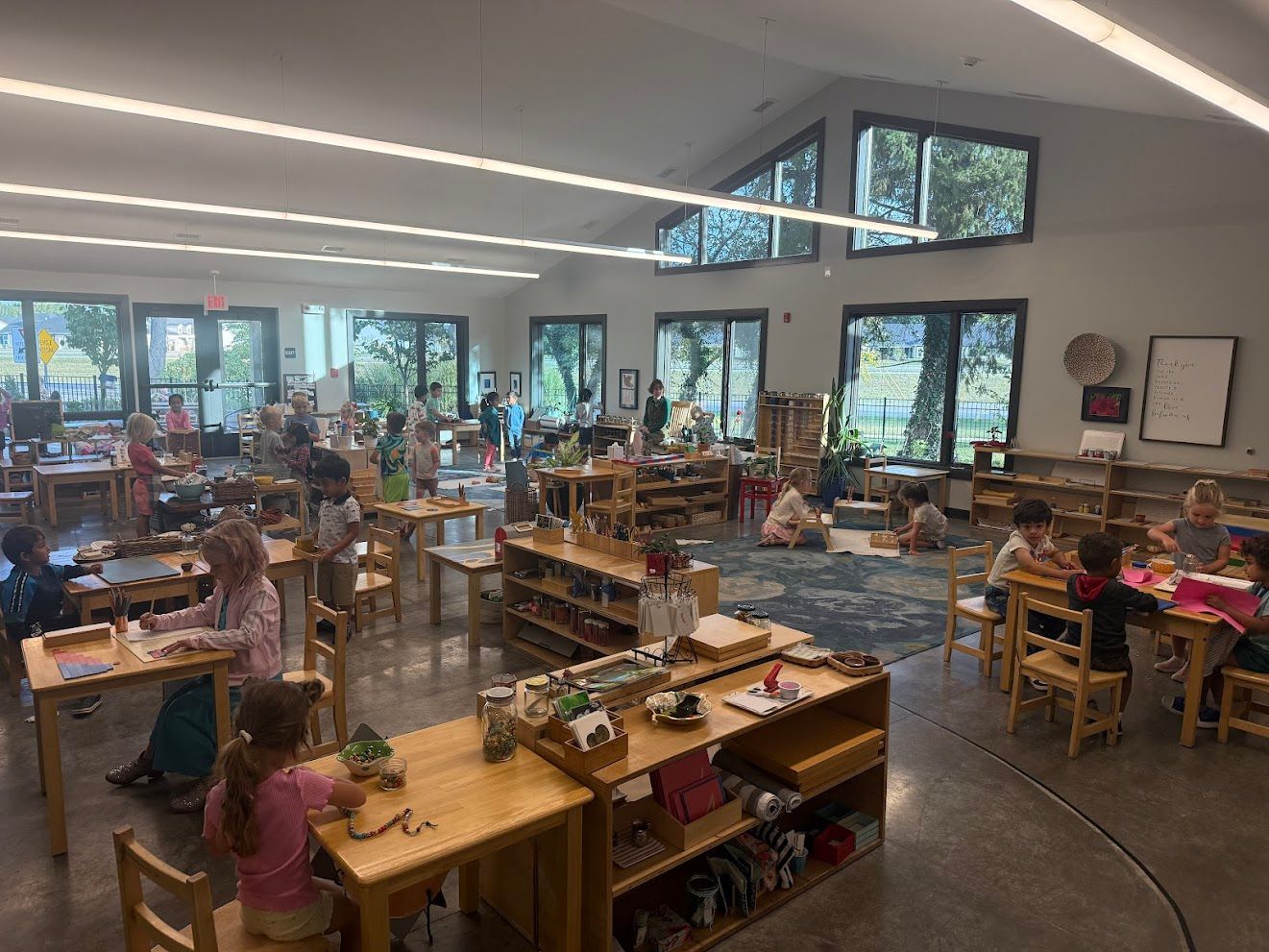
In Montessori education, there’s a common misconception that classrooms appear chaotic because children are all engaged in their own individual activities. The sight of children working independently on various tasks can sometimes give the impression that there is no structure or order in a Montessori environment. However, this is far from the truth. The seeming "chaos" in a Montessori classroom is actually a carefully crafted part of the educational design, one that emphasizes individual learning, responsibility, and self-direction.
The Misconception: Montessori Lacks Structure Because Children Do Their Own Thing
In many traditional classrooms, you might see a group of children all participating in the same activity at the same time. Whether it's a group lesson or a guided task, there's often a sense of uniformity. This structure leads to the assumption that "order" in the classroom means all children should be working on the same thing at once.
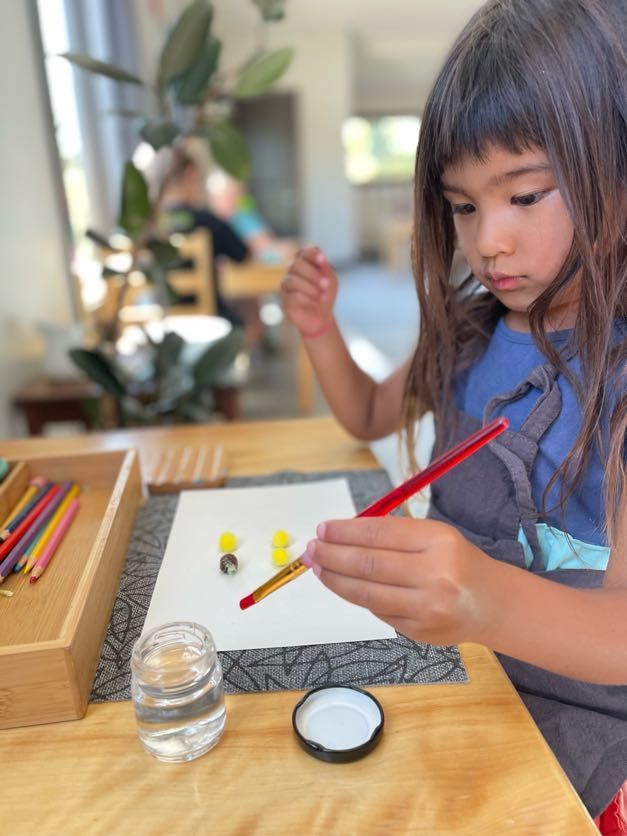
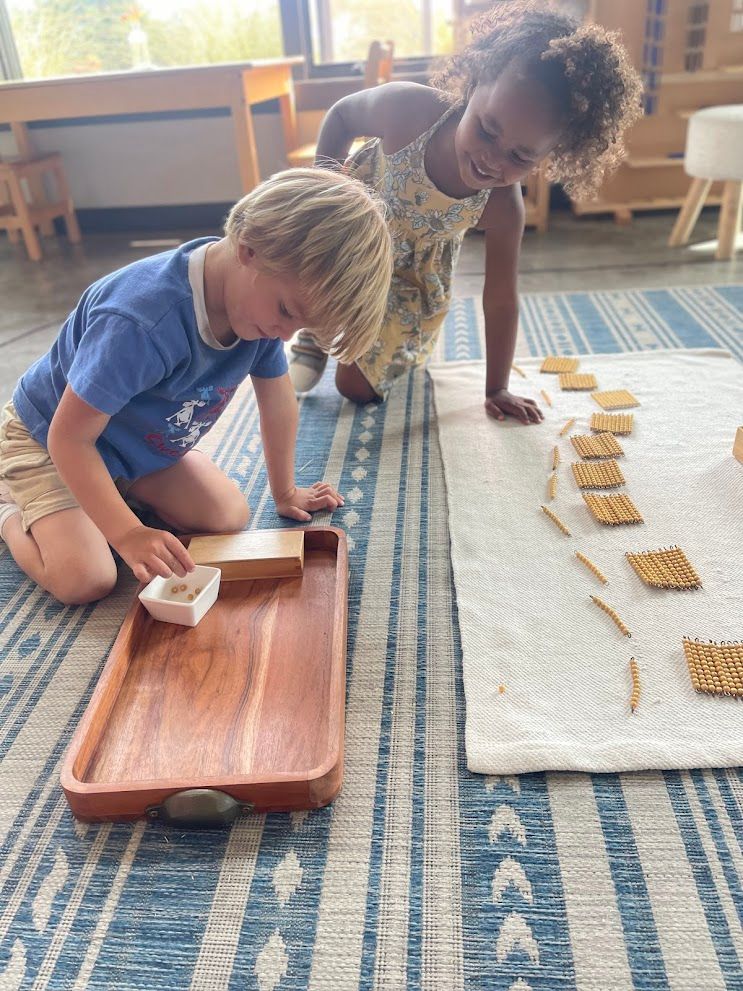
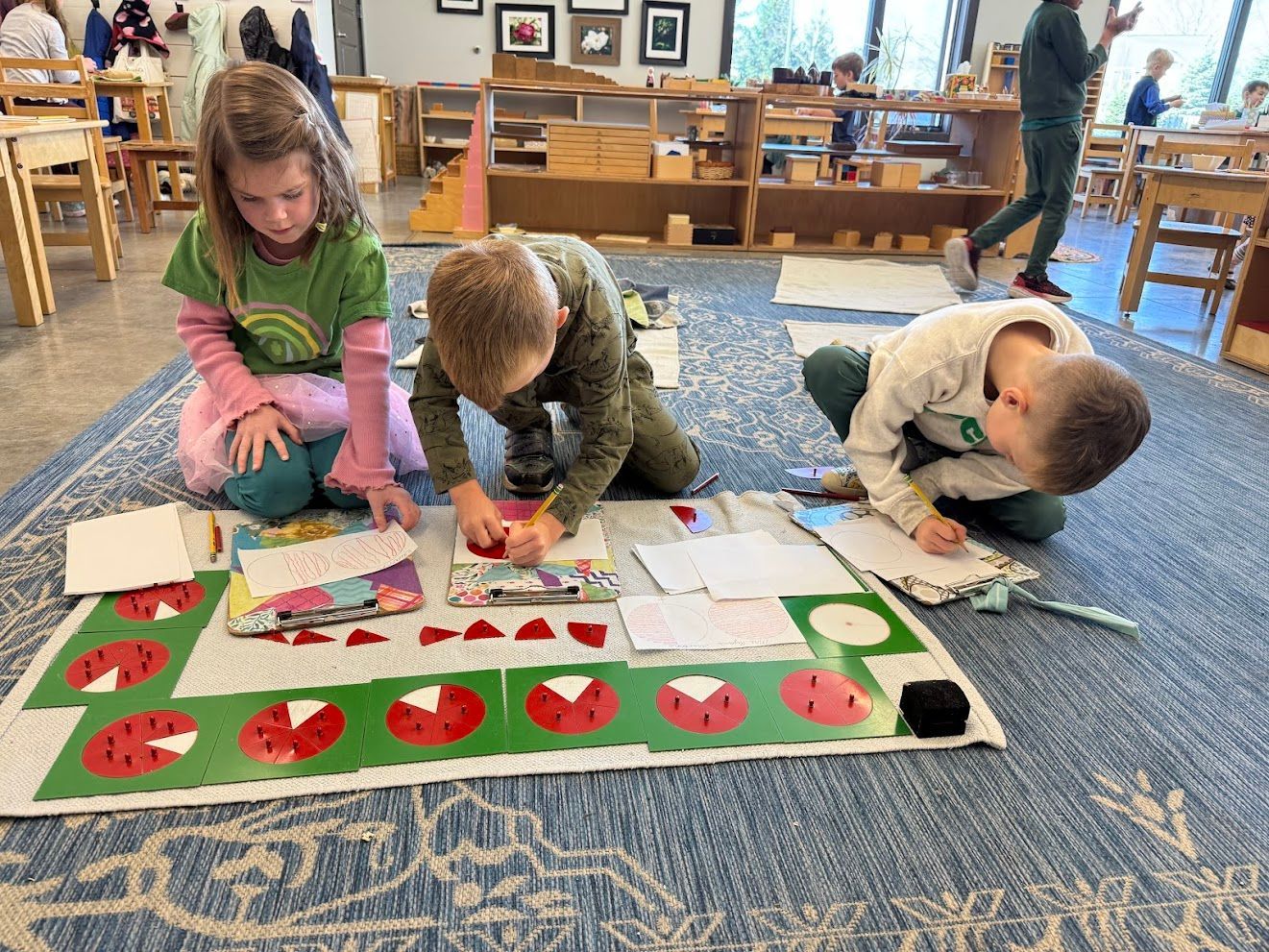
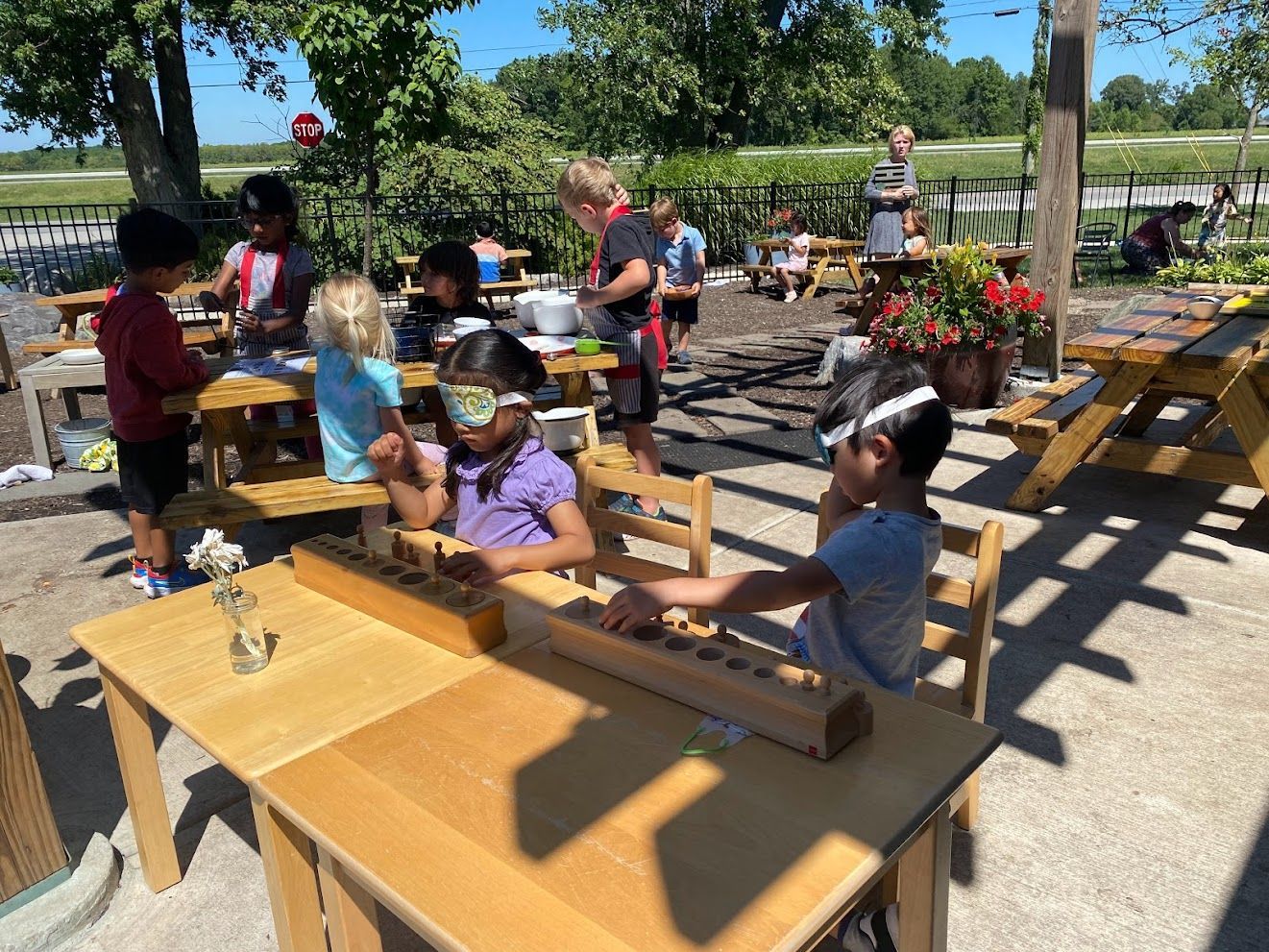
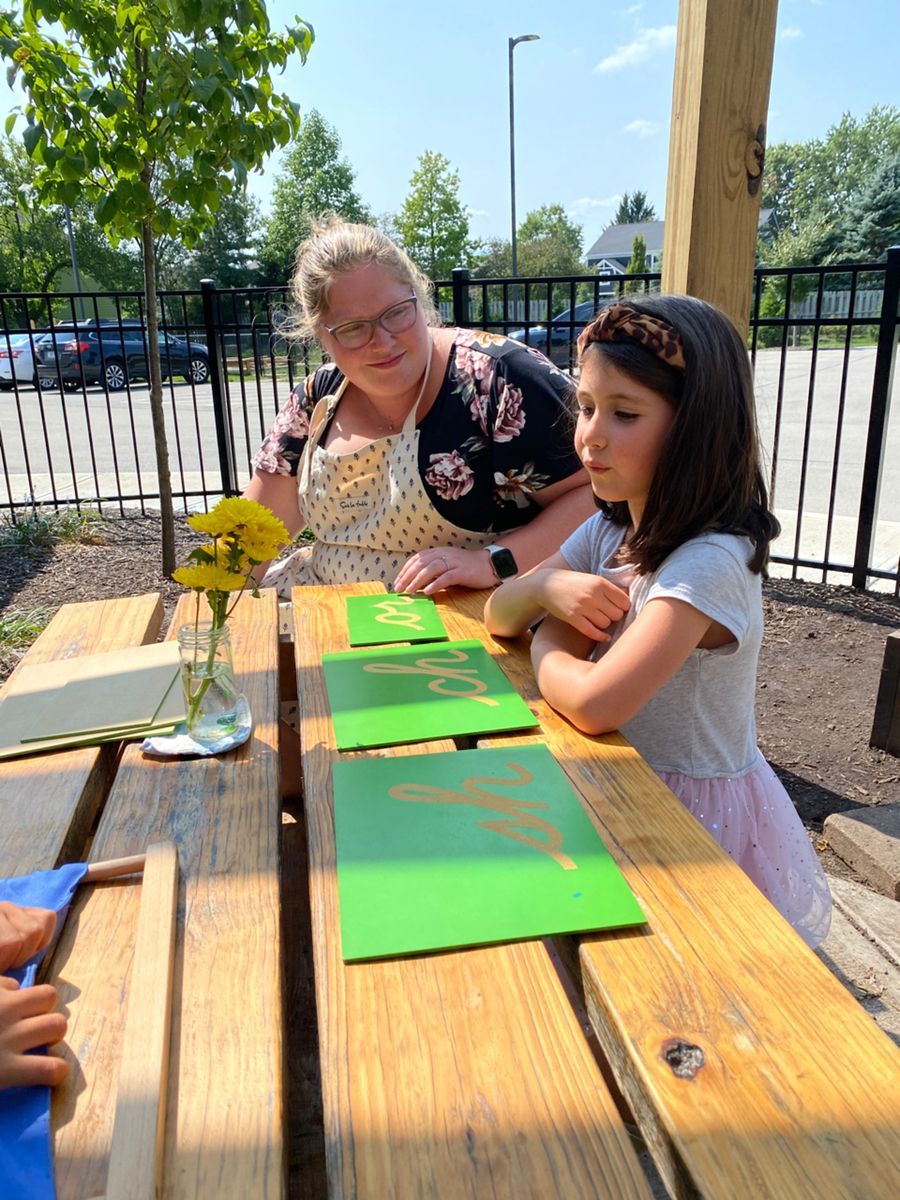
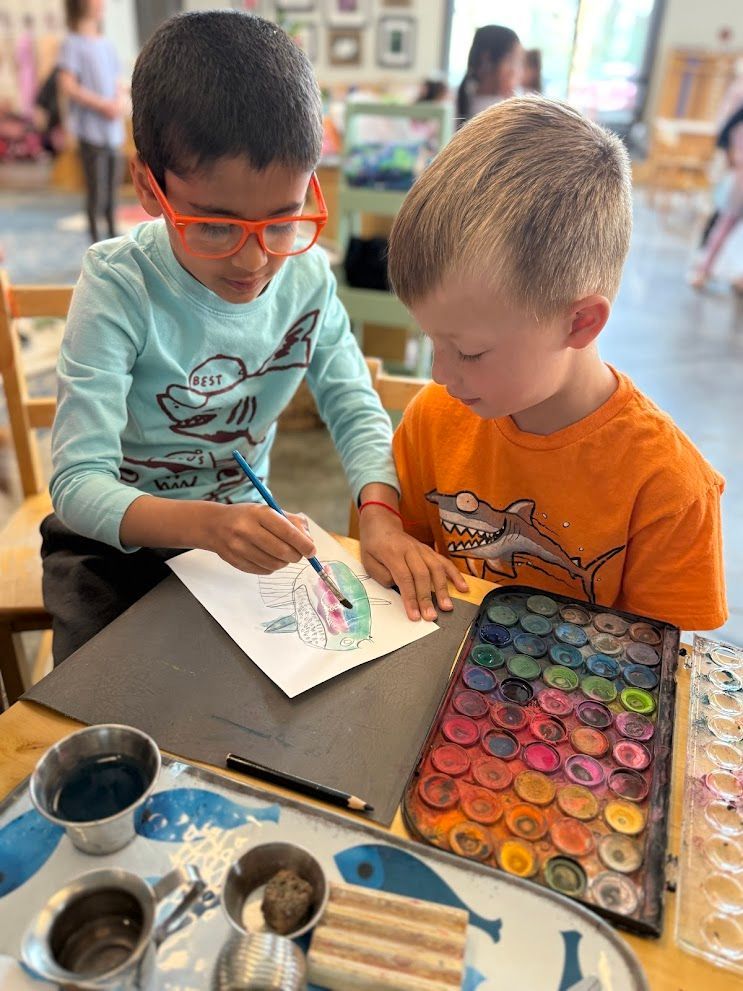
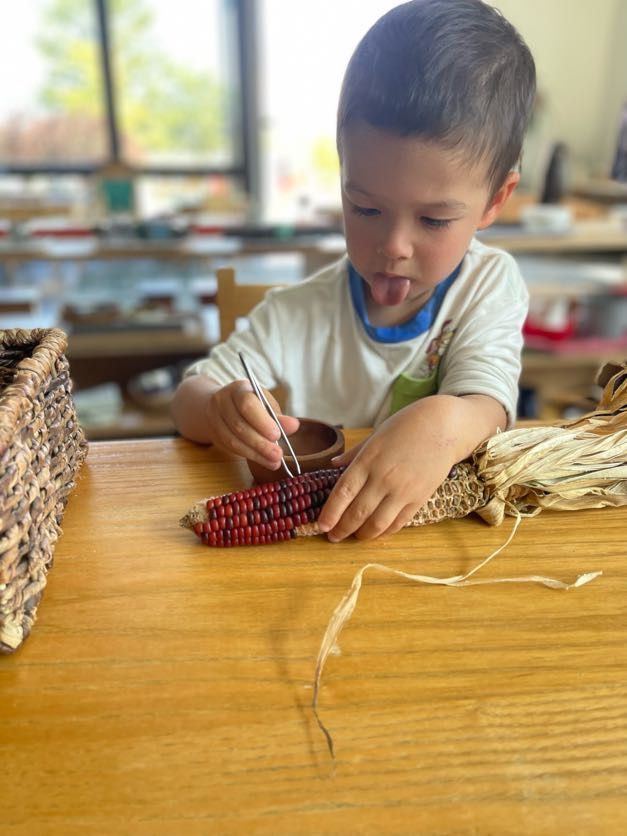
In contrast, Montessori classrooms look quite different. Children are free to choose their own work, work at their own pace, and pursue activities based on their individual interests. This personalized learning approach, which emphasizes independence and self-direction, can sometimes create the illusion of chaos. Teachers in a Montessori setting are often seen quietly observing children as they engage with materials, rather than directing the entire group in the same direction. However, this freedom is not a sign of disorder or a lack of structure. On the contrary, it is a hallmark of deliberate order in a Montessori classroom, where the goal is not conformity but individual growth, responsibility, and choice.
1. The Freedom to Choose Doesn't Mean Chaos
One of the core principles of Montessori education is that children are given the freedom to choose their activities. While it may seem like everyone is working on something different, there is a deeply structured environment underneath this freedom. The classroom is set up in such a way that each material has a purpose and is available for specific developmental needs. There are designated areas for different activities—practical life, sensorial work, language, mathematics, and cultural studies—which children can explore independently.
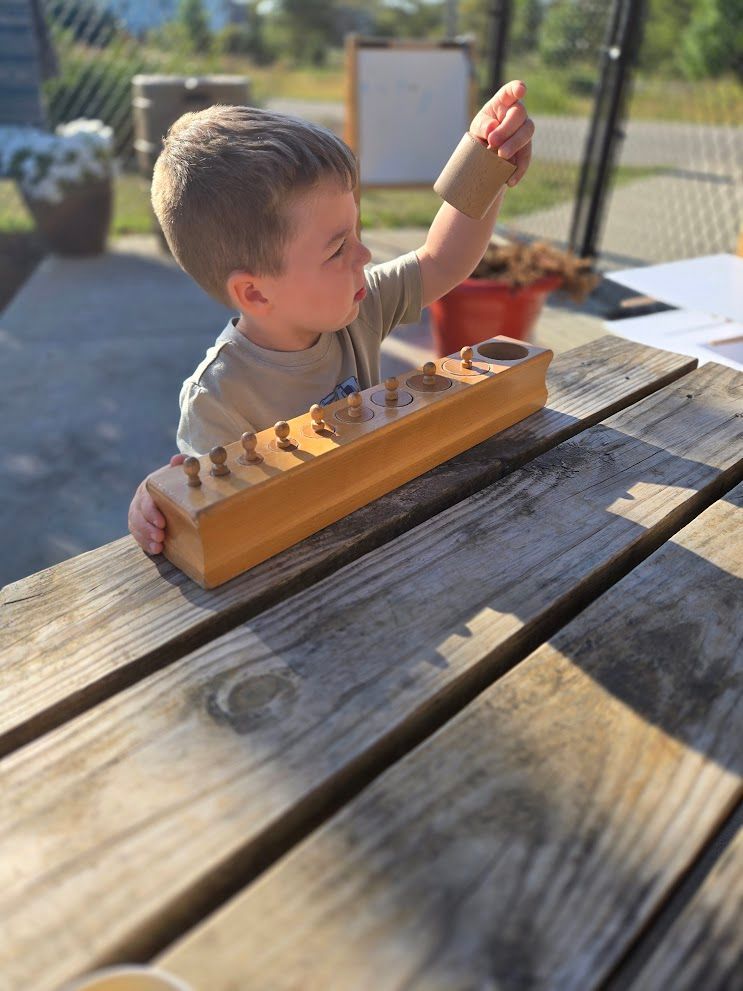
The freedom children have to choose their own work encourages engagement, intrinsic motivation, and curiosity. But this freedom is not unbounded or without structure. Montessori teachers guide children in choosing meaningful work, ensuring they understand the proper use of materials, and helping them develop a sense of responsibility and order.
2. Respecting Individual Development
The Montessori method is built on the belief that each child is on their own unique developmental journey. Children progress at different rates and have different interests and strengths. In a traditional classroom, this can sometimes mean that children who are ahead may feel bored or disengaged, while those who are struggling may feel frustrated or left behind. In a Montessori classroom, the ability to choose their own work and move at their own pace allows children to engage in tasks that are developmentally appropriate for them. This individualized approach not only prevents boredom but also encourages self-motivation and personal responsibility. There’s a profound respect for each child’s unique timeline, and while one child may be working on a complex math problem, another might be practicing practical life skills. This individualized learning means that, though the classroom might look like a hive of activity with each child doing something different, it’s actually a highly organized environment that allows for the optimal development of each child.
3. The Role of the Montessori Guide
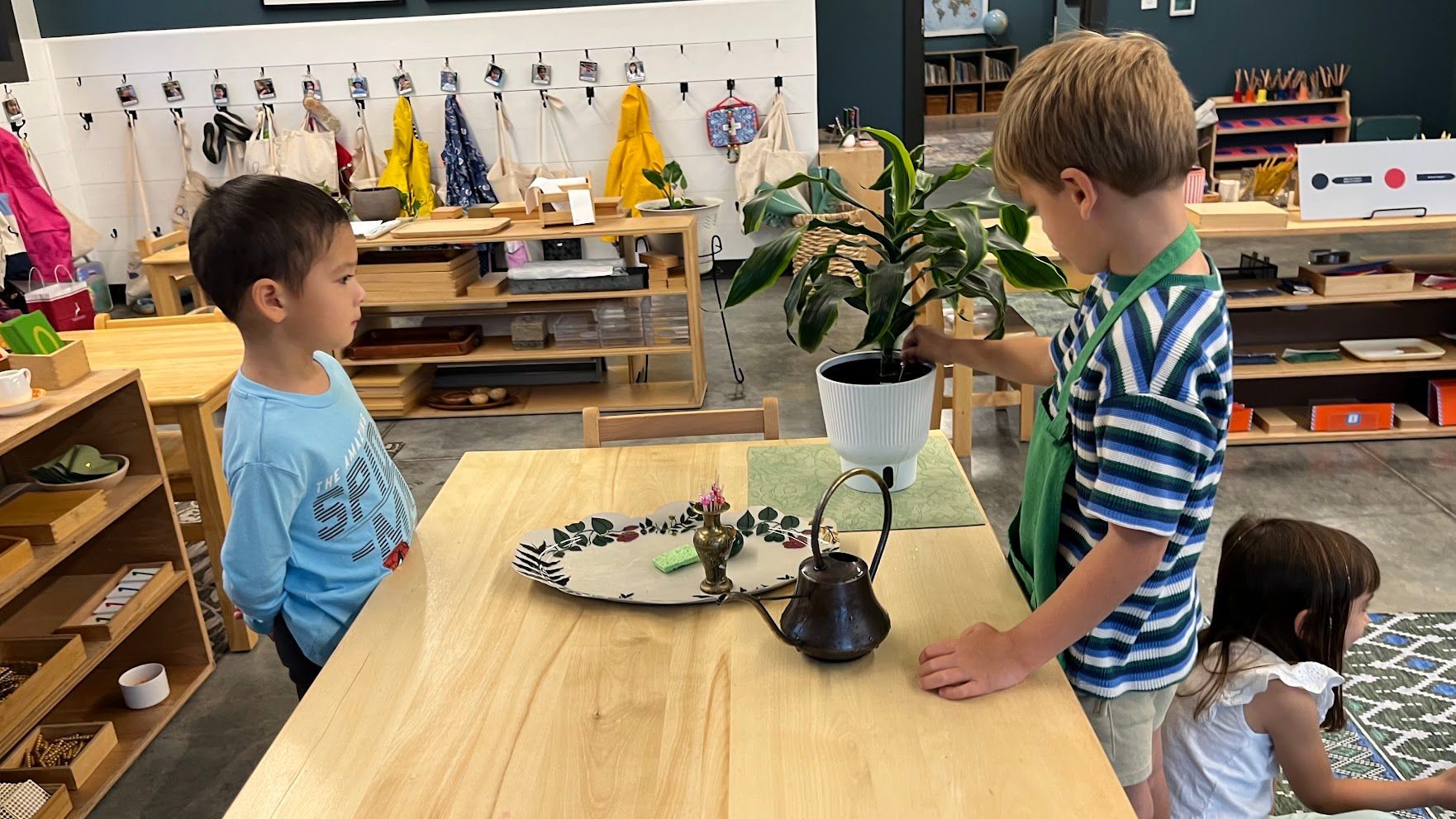
The role of the Montessori guide is not to direct the children in group activities or to constantly give lessons, but to observe, guide, and support each child’s progress. This teacher role contributes to the sense of order in the classroom, even as children work independently. The guides help create an environment where children can thrive independently, but also provide guidance or support when needed. They might suggest materials to a child who needs a new challenge, offer encouragement when a child is stuck, or guide children in resolving conflicts. This balanced approach ensures that while the classroom appears "free" and "individualized," there is still a high level of guidance and intentional structure.
4. The Importance of the Prepared Environment
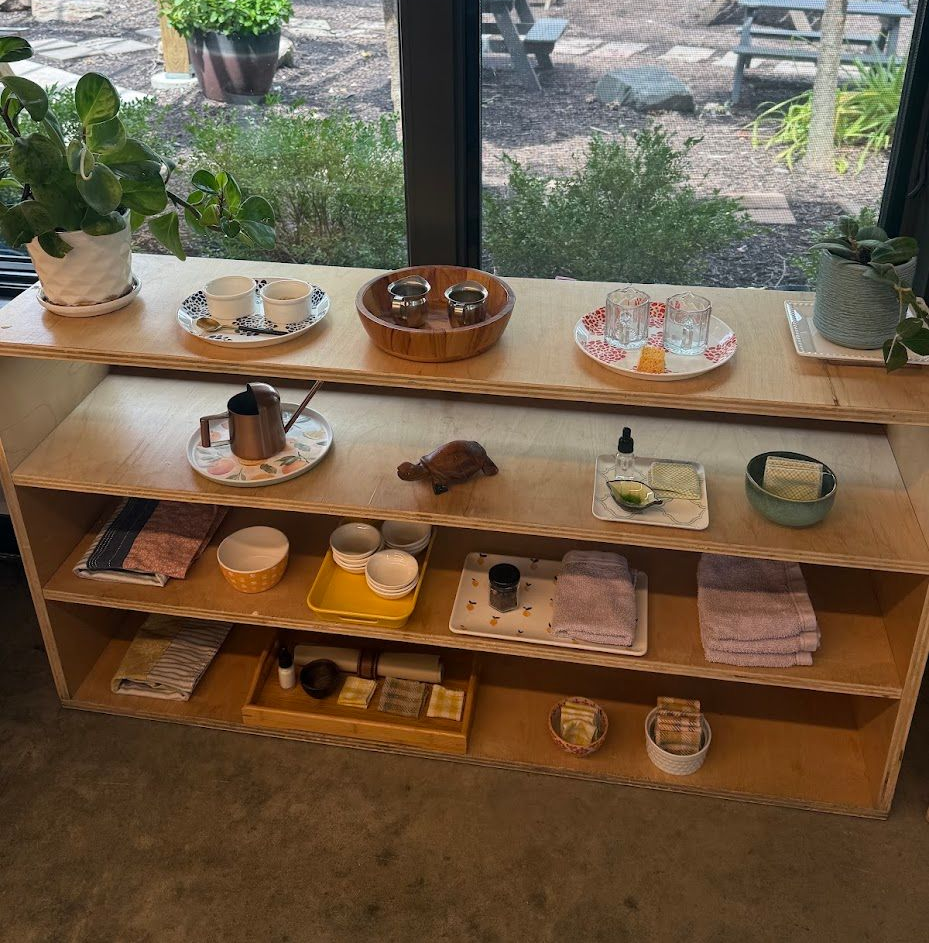
In a Montessori classroom, much of the "mess" that might appear chaotic is actually a sign that children are actively engaged with the environment. The space is carefully prepared with materials that are accessible and appropriate for the child’s developmental stage. Every material is intentionally placed to invite curiosity and independent exploration. While children are free to choose their own work (within limits), they are taught to respect the space around them. The work cycle in Montessori classrooms includes the responsibility of returning materials to their proper place, cleaning up, and ensuring that the environment remains orderly. In this sense, the classroom may appear 'lived-in' during work time, but it is always part of a broader pattern of learning where children eventually take responsibility for the organization of their environment.
5. Why the Individual Work is Order in Disguise
The true order within a Montessori classroom isn’t always visible in a traditional sense—children aren't sitting in neat rows working on identical tasks. Instead, the order comes from the internal development of each child. The classroom is structured around fostering independence, self-regulation, and respect for the materials and environment. When a child engages in an activity in the Montessori classroom, they are working at their own developmental level, and it’s important that they are given the space to do so without external pressures. The fact that children are working independently, exploring their own interests, and solving problems on their own doesn't signify chaos—it represents natural learning and deep engagement. What appears to be disorder is actually a sign that the children are engaging in meaningful work that is aligned with their developmental needs.
Embracing the “Montessori Hum”
The misconception that Montessori classrooms lack structure because children are each doing their own thing is understandable, but it overlooks the deep structure behind the method. Montessori classrooms may look different from traditional classrooms—more individualized, more active, and sometimes a little messier—but they are highly organized environments where children have the freedom to explore, learn, and develop at their own pace. The "Montessori Hum" of the classroom is not an accident. It’s a deliberate approach to create a learning environment that fosters independence, responsibility, and respect for others. When we understand the Montessori approach as one that respects each child’s individuality and developmental timeline, we can appreciate the beauty of a classroom that can appear chaotic but is, in fact, highly intentional.