"The child who is allowed to choose, prepare, and serve his own food is more likely to develop a sense of respect for the food, the environment, and the people with whom he shares it."
MARIA MONTESSORI
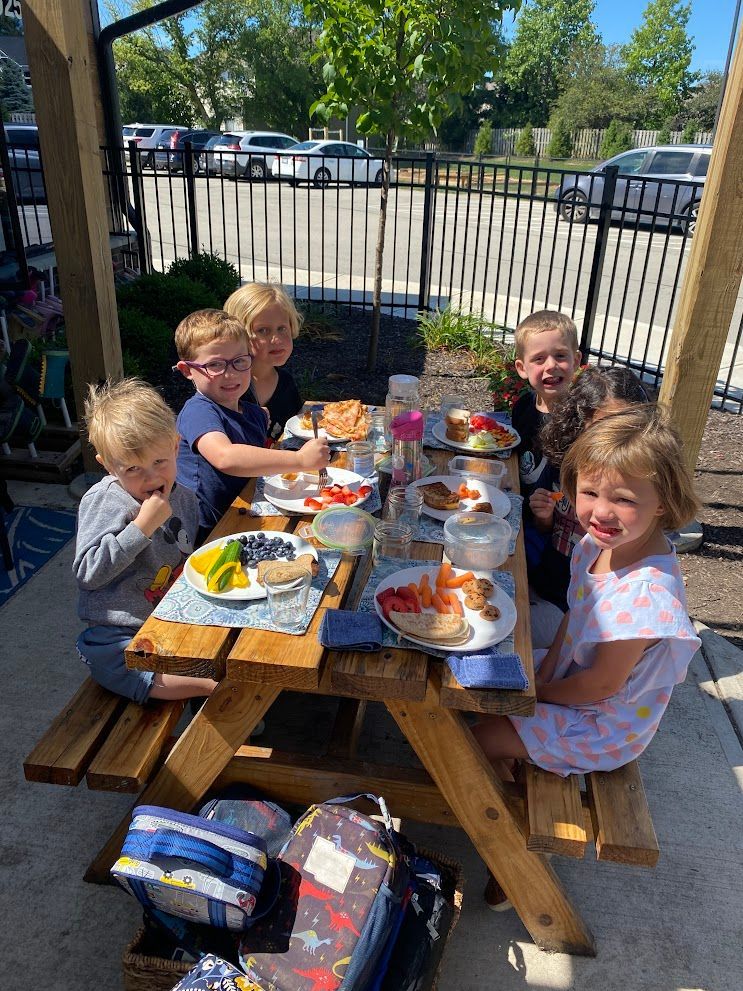
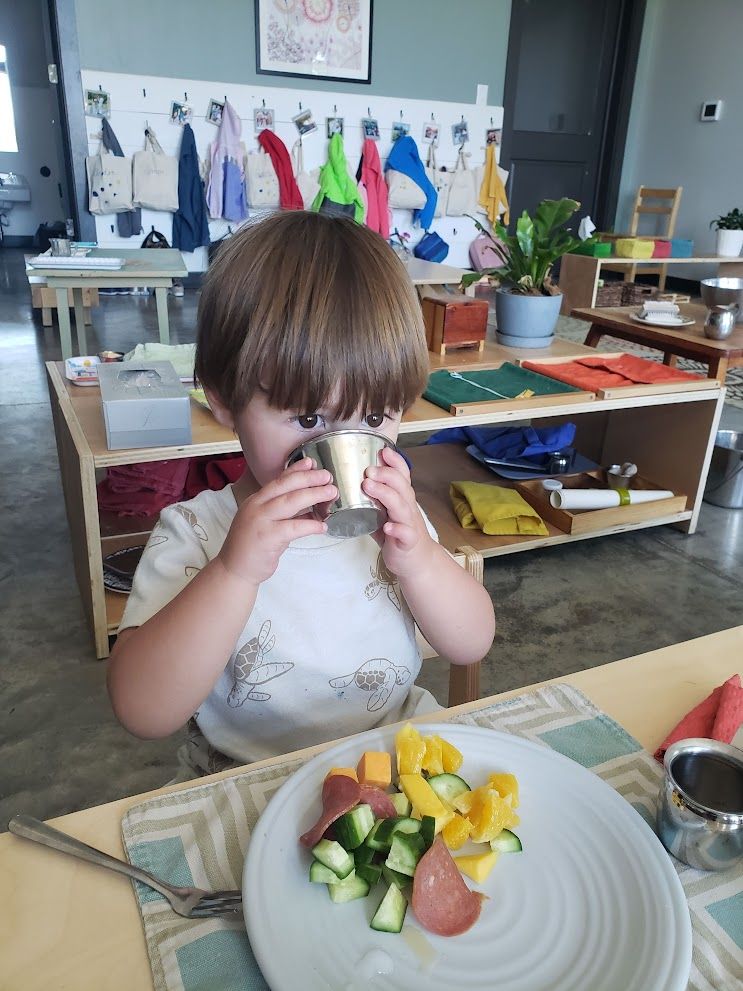
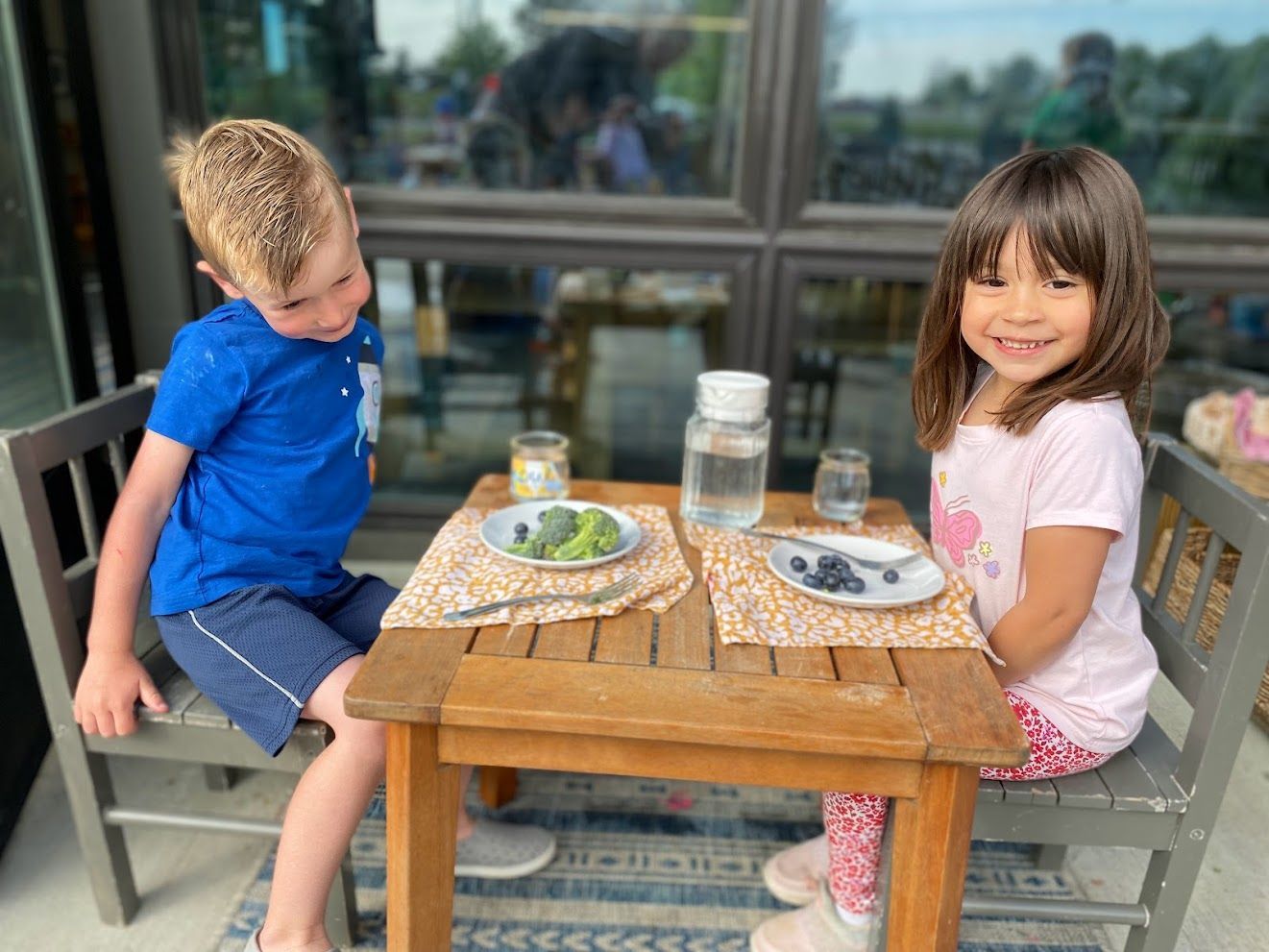
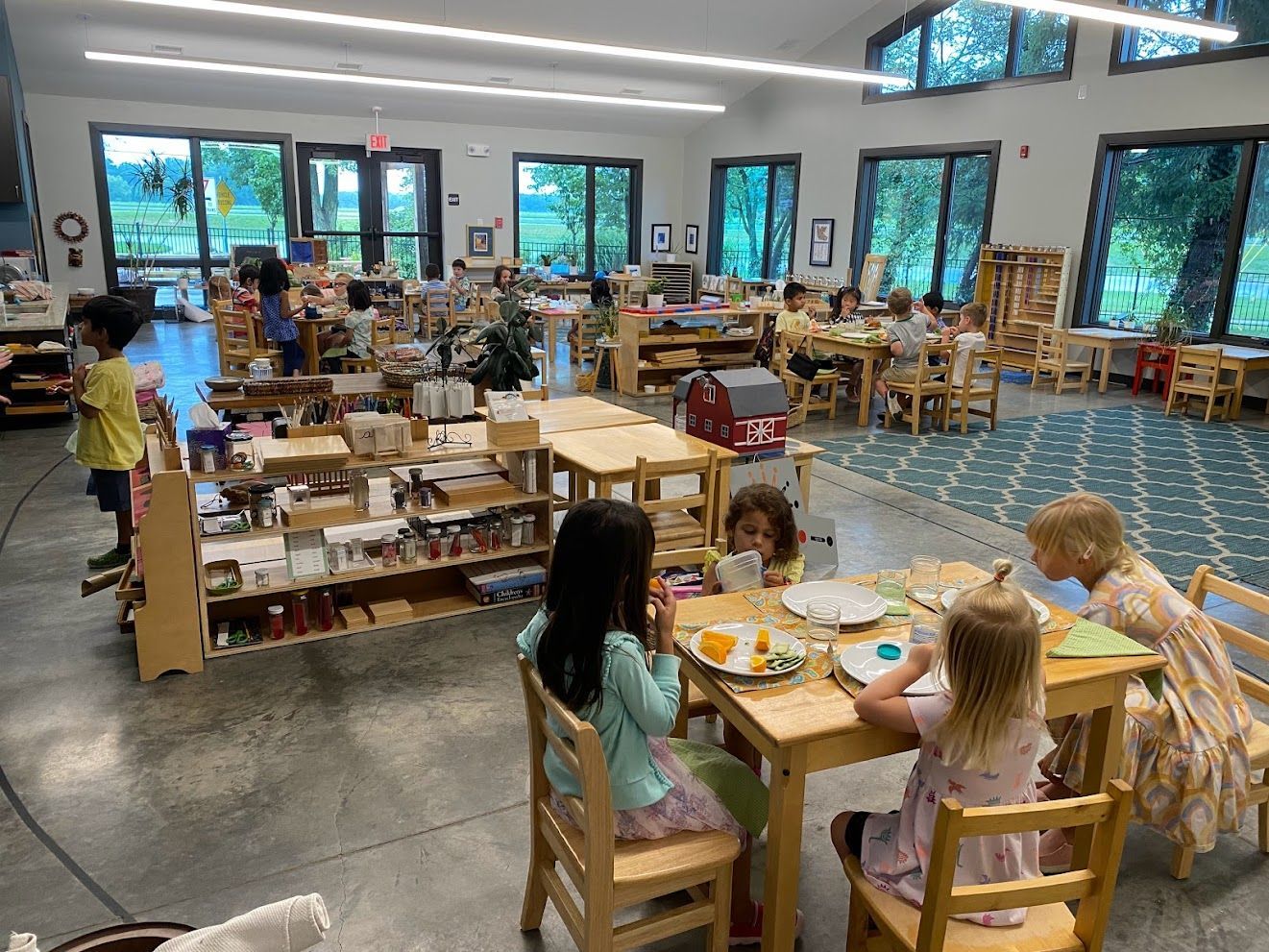
In the Montessori toddler and primary classrooms, mealtimes are more than just a chance to eat—they're a rich, meaningful part of the day that supports independence, social connection, and self-regulation. Whether it's a snack time in a toddler room or a shared lunch among primary-aged children, these moments offer opportunities for growth that extend far beyond nutrition.
A Montessori Lens on Mealtime
Dr. Maria Montessori believed in respecting the whole child, including their physical, emotional, and social needs. In her writings, she observed how children thrive when given the chance to care for themselves and their environment. Mealtimes provide a natural context for this to happen. In a Montessori classroom, food isn't rushed. Instead, it’s approached with mindfulness, routine, and purpose—just like any other work the child does.
Independence in Action
Even the youngest toddlers are encouraged to take part in the meal process—from setting the table to cleaning up afterwards. These tasks build confidence and coordination while reinforcing the idea that they are capable contributors in their community.
Examples include:
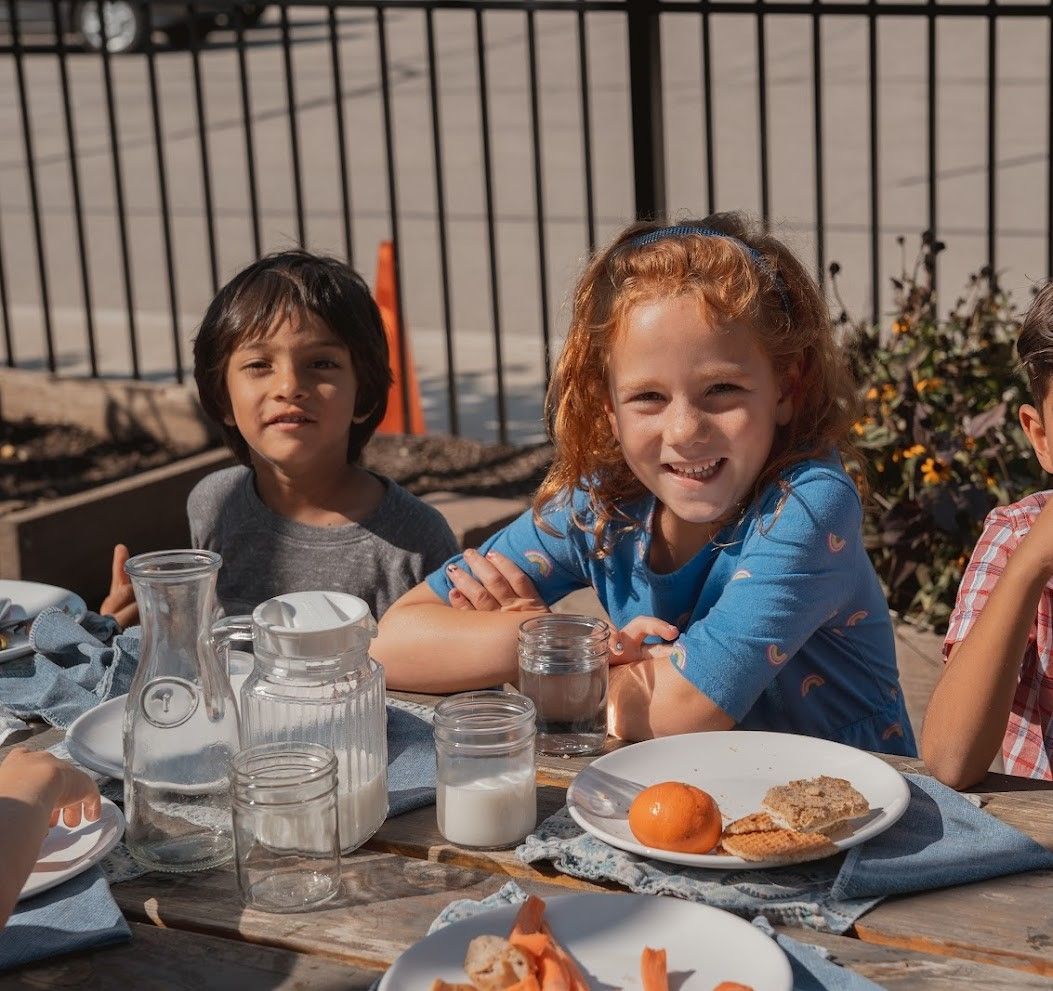
- Toddlers pouring their own water from a small pitcher
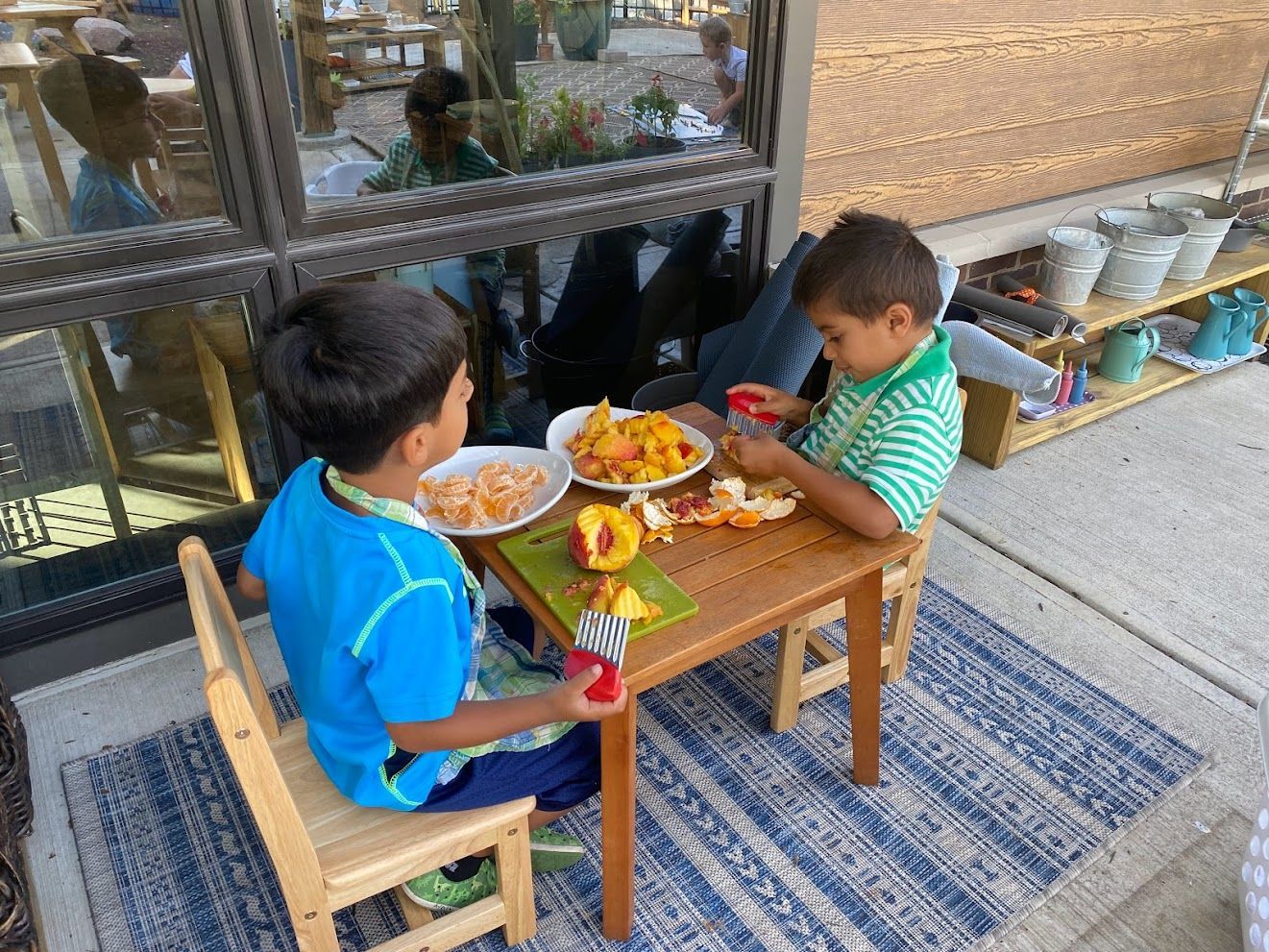
- Primary students preparing snack for the class
- Using child-sized tools to cut soft fruits or spread butter
- Cleaning up with a sponge or wiping down the table
Through these actions, children build important practical life skills that translate into increased autonomy and self-esteem.
Social and Emotional Development
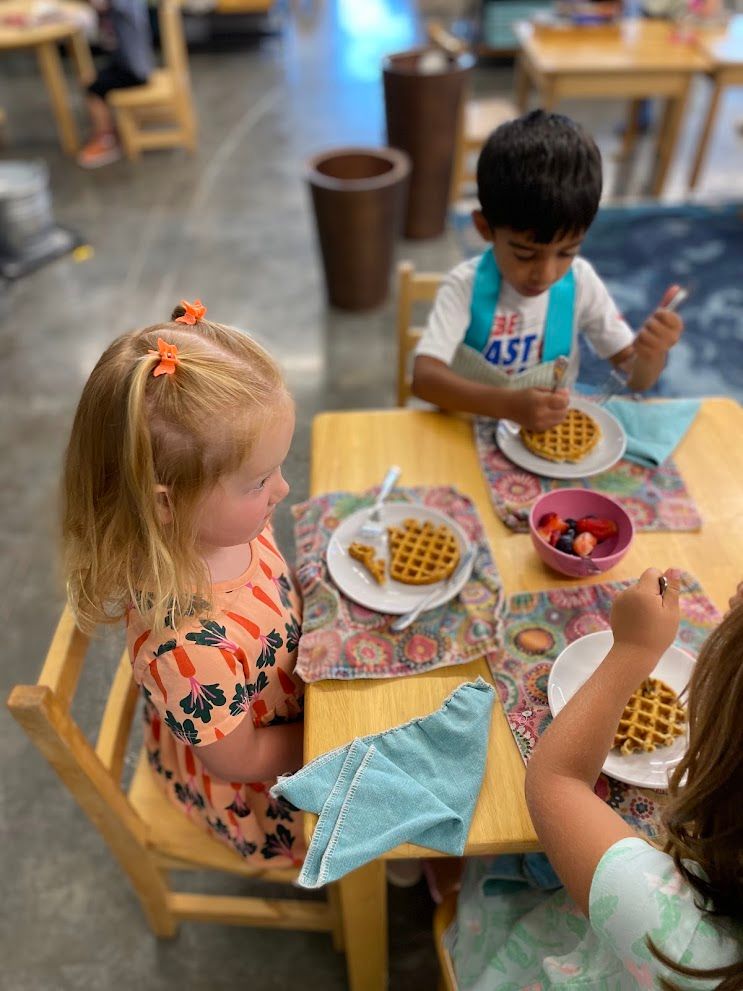
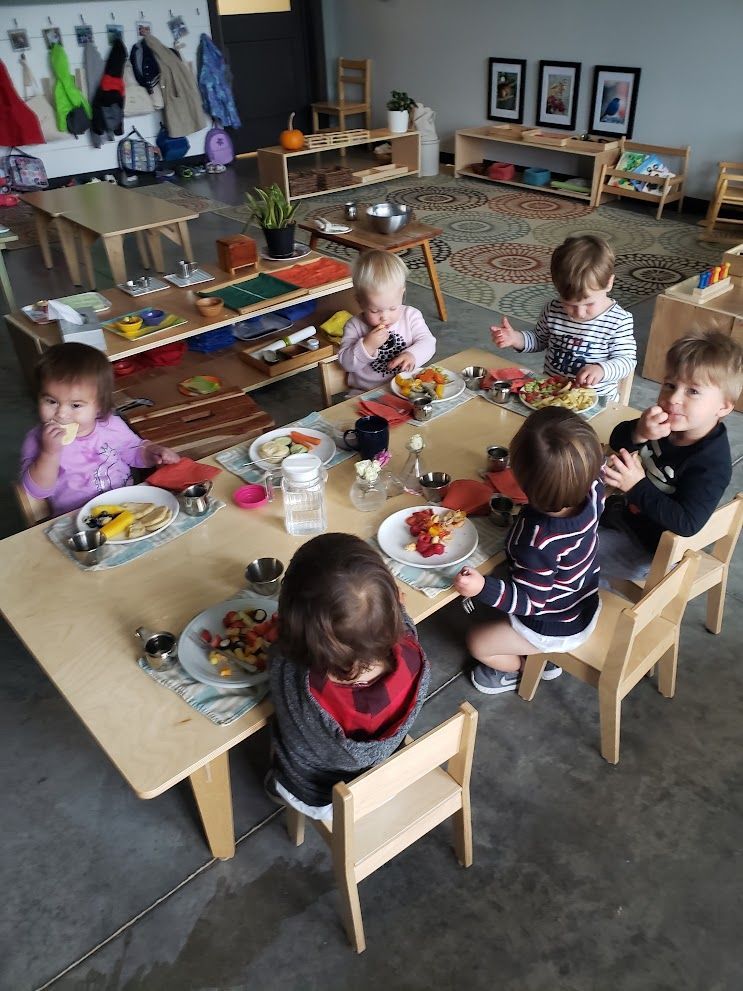
Mealtime is also a time for connection. Children practice grace and courtesy by waiting their turn, using polite language, and engaging in respectful conversation. Sitting down together at the table creates a sense of community and rhythm in the classroom.
These daily rituals:
- Encourage peer modeling and cooperation
- Provide space for language development through natural conversation
- Offer opportunities to express preferences and make choices respectfully
Mealtimes often become a moment of calm in an otherwise active day—allowing children to pause, reflect, and connect.
Respect for the Body and Food
Montessori classrooms emphasize mindful eating. Rather than rushing through meals, children are invited to listen to their bodies—learning when they are hungry, when they are full, and how different foods make them feel.
Children also learn:
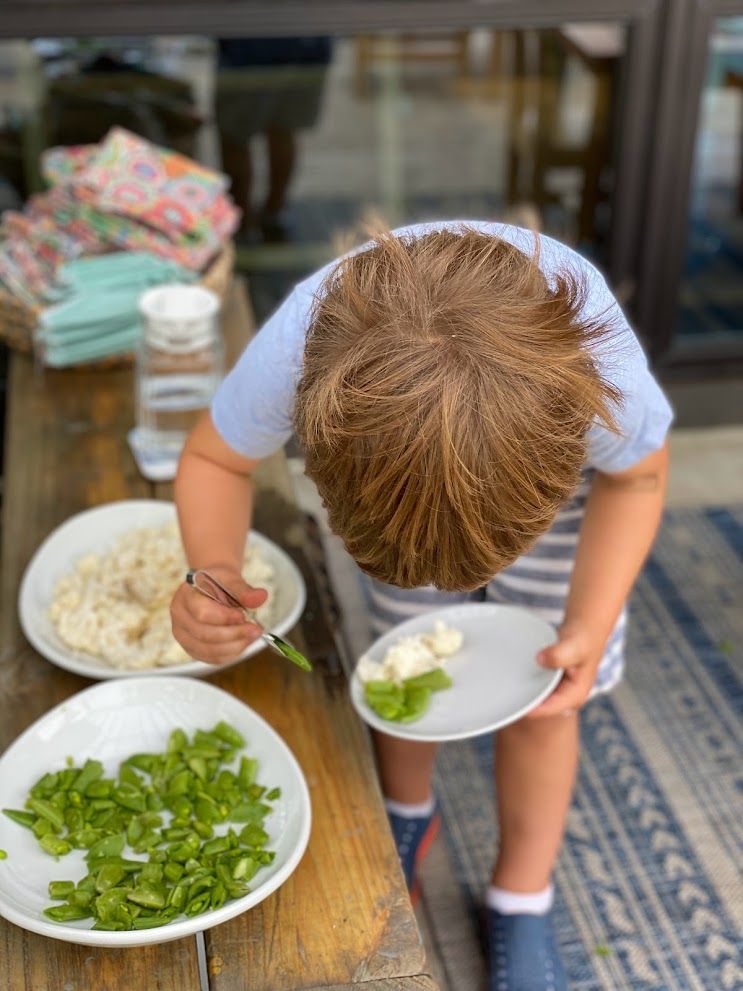
- To serve themselves appropriate portions
- To handle food respectfully
- To be involved in food preparation, building appreciation for the process
A note on healthy choices:
Montessori educators often guide children toward making nutritious choices by offering a variety of whole, simple foods—fruits, vegetables, grains, and proteins—presented in an appealing, accessible way. While food is never used as a reward or punishment, children are encouraged to explore a range of healthy options and learn how food supports their growth and energy. This lays the foundation for a lifelong healthy relationship with food, rooted in awareness and respect rather than control or pressure.
Rhythm, Routine, and Regulation
A predictable mealtime routine helps children feel secure and settled. For toddlers especially, knowing that snack or lunch happens at a certain time supports emotional regulation and trust in the environment.
When a child participates in the full cycle—from preparation to clean-up—they gain a sense of responsibility and rhythm that carries through the rest of the day.
In Montessori education, we understand that the smallest moments are often the most powerful. Mealtimes may seem ordinary, but they are rich with opportunities for independence, collaboration, and care. By honoring these daily rituals, we're not just nourishing growing bodies—were cultivating capable, mindful, and connected human beings.