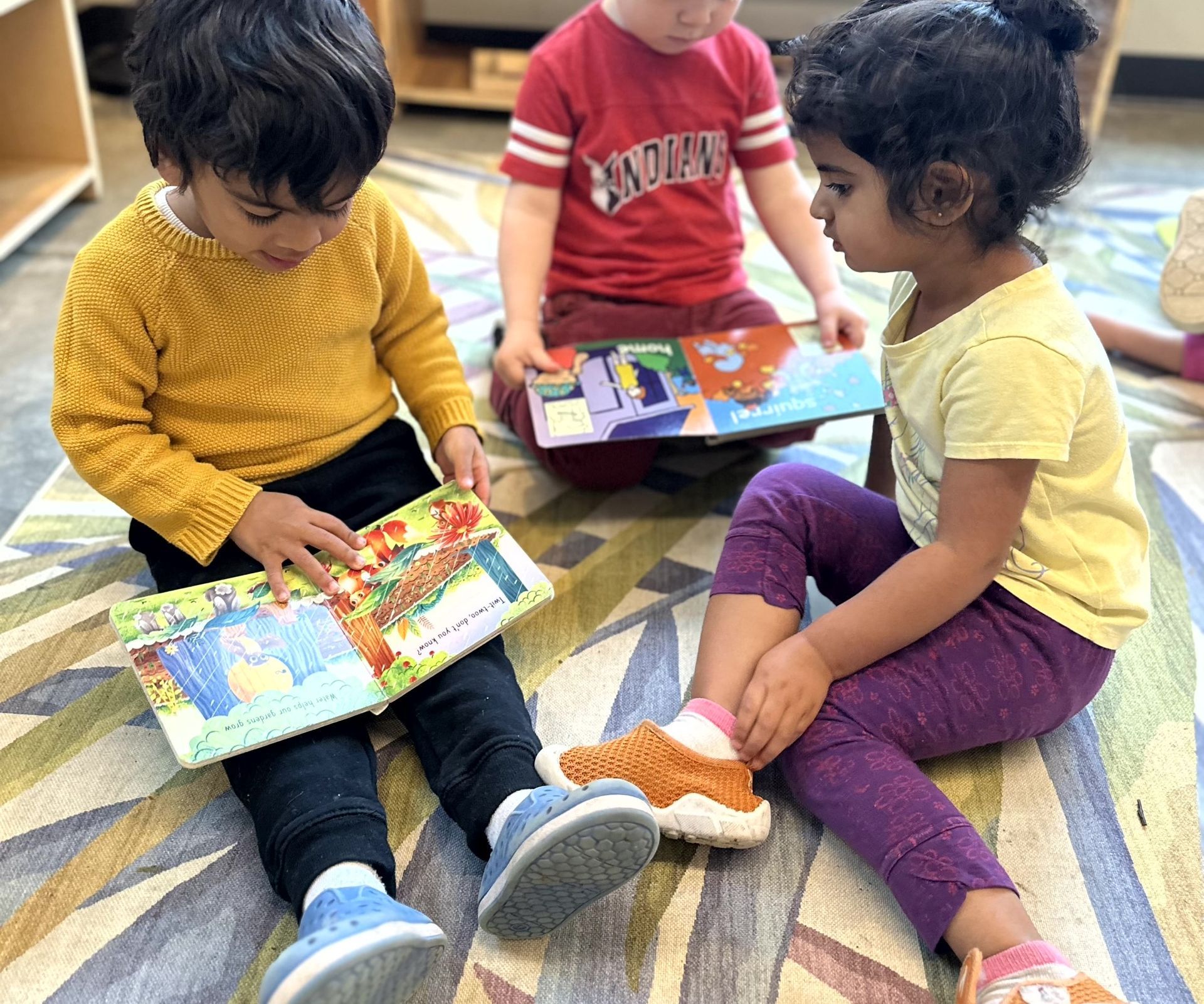
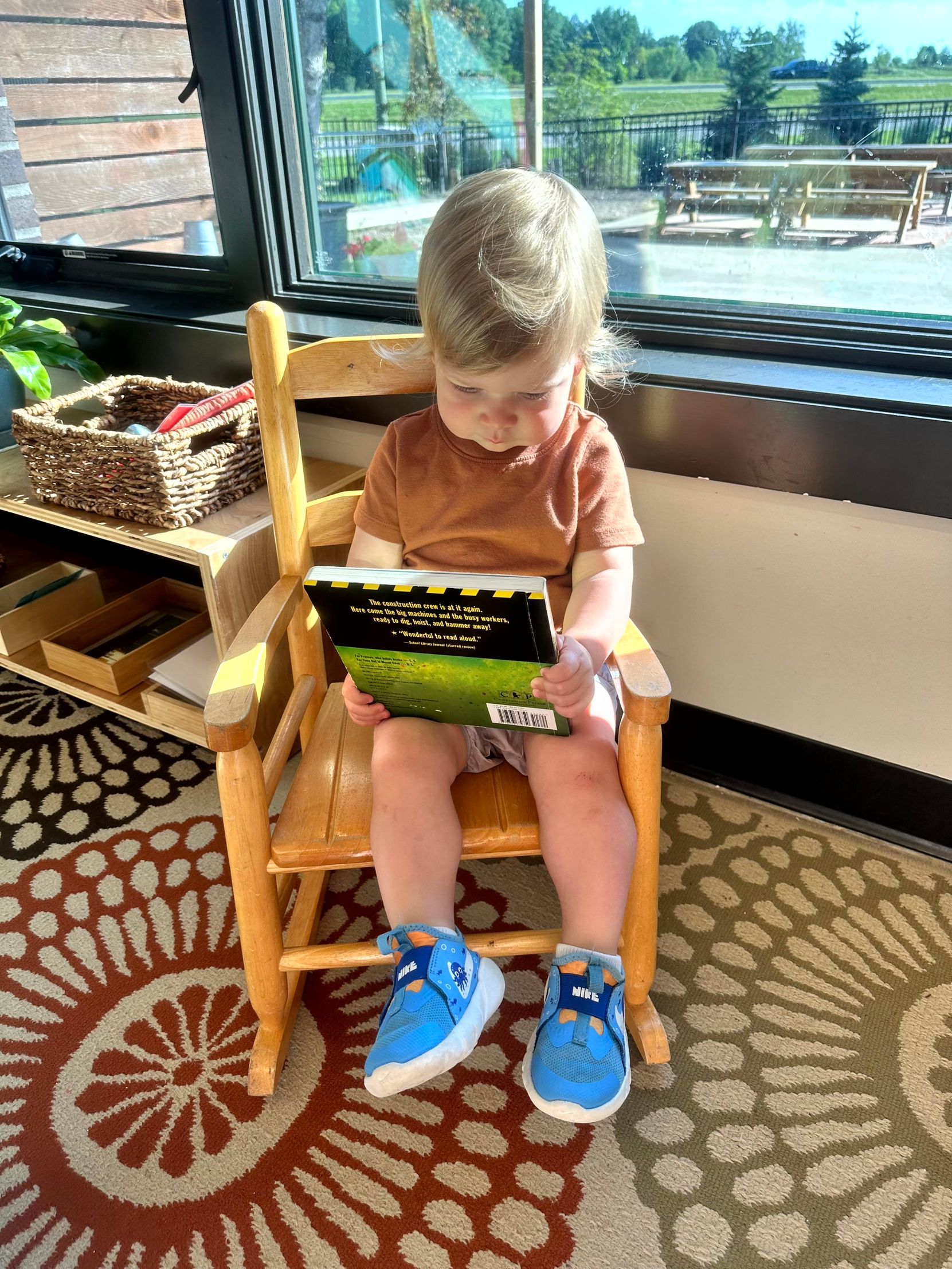
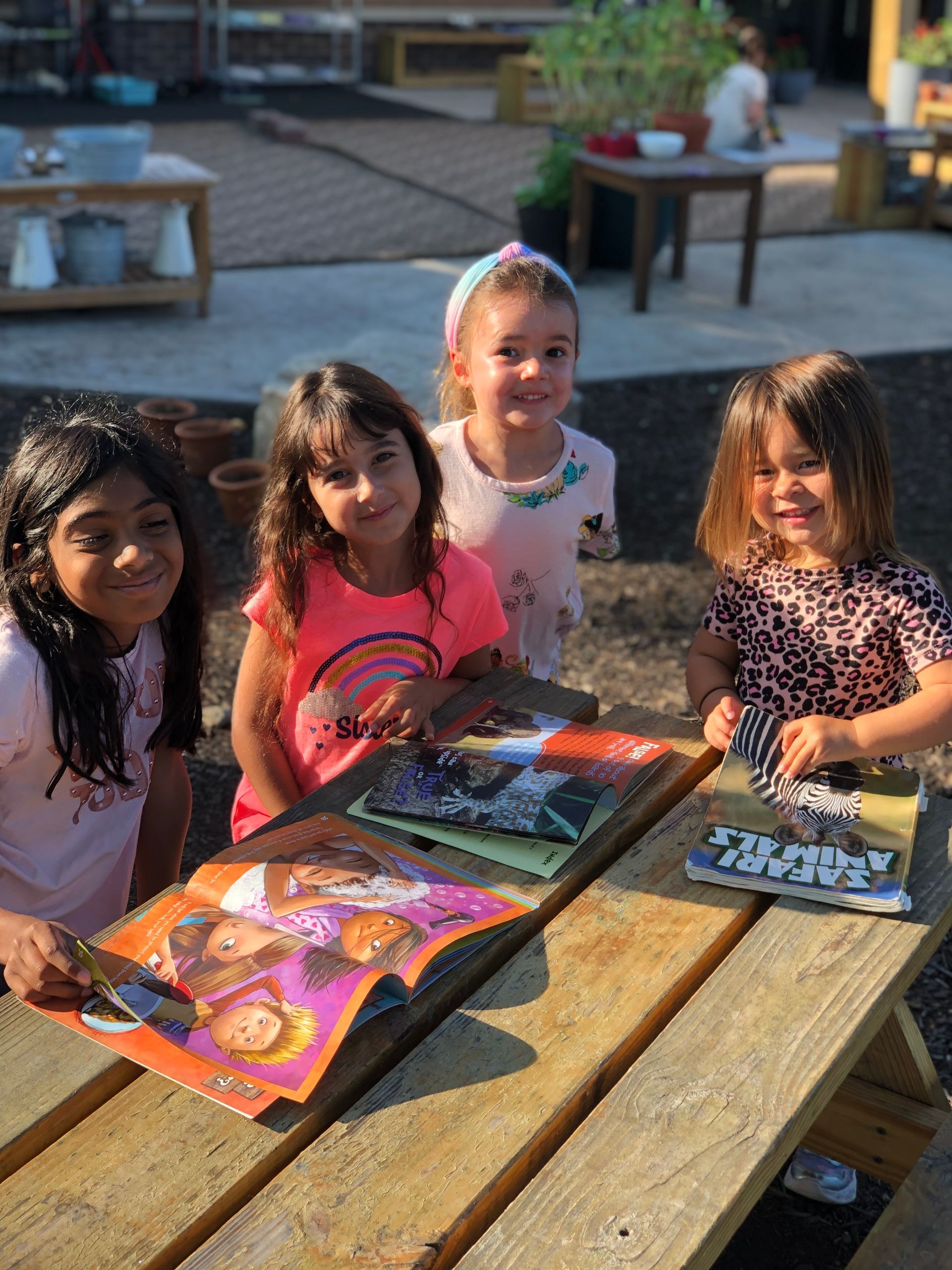
"The child who has access to books and is encouraged to read will be able to find answers to his questions and develop a love for learning."
MARIA MONTESSORI
A Montessori-inspired bookshelf is not just a place to store books; it’s a thoughtfully designed space that promotes a child’s independence, fosters a love for reading, and supports their development. When setting up a bookshelf for toddlers and primary-aged children, it’s essential to consider the types of books you include, how they’re displayed, and the environment you’re creating.
Here’s a guide on how to create a Montessori-inspired bookshelf and why the selection of books—especially real, non-fantastical ones—is crucial for young children.
1. Display Books at the Child’s Level
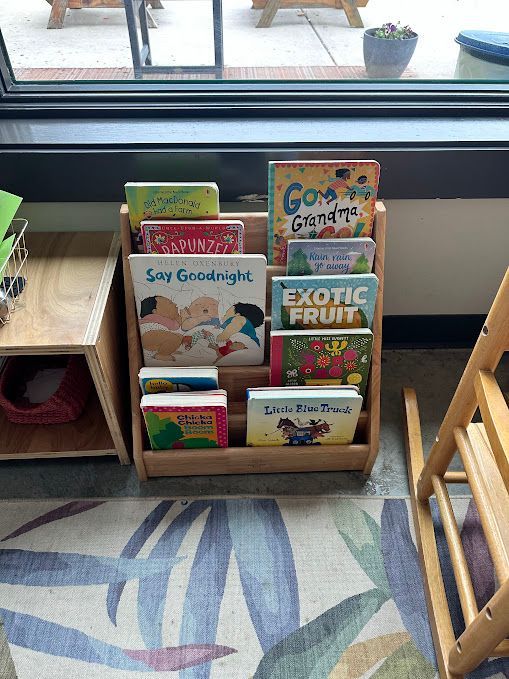
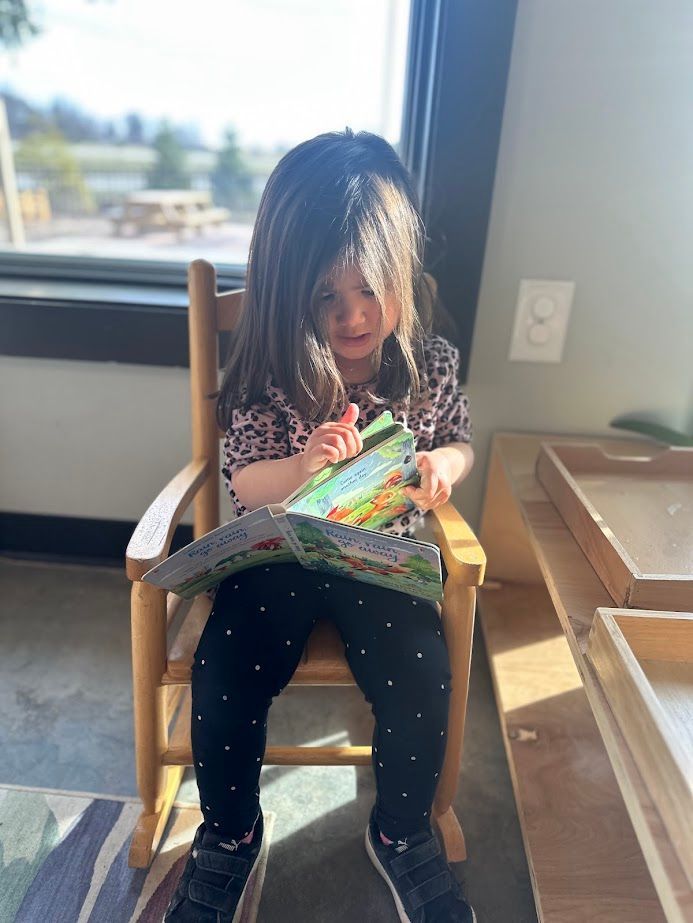
In Montessori classrooms, everything is designed with the child in mind. This is also true for a Montessori-inspired bookshelf. Instead of placing books on high shelves, set the bookshelf at the child’s eye level, allowing them to independently choose books without adult help. The idea is to give children autonomy in their learning and exploration.
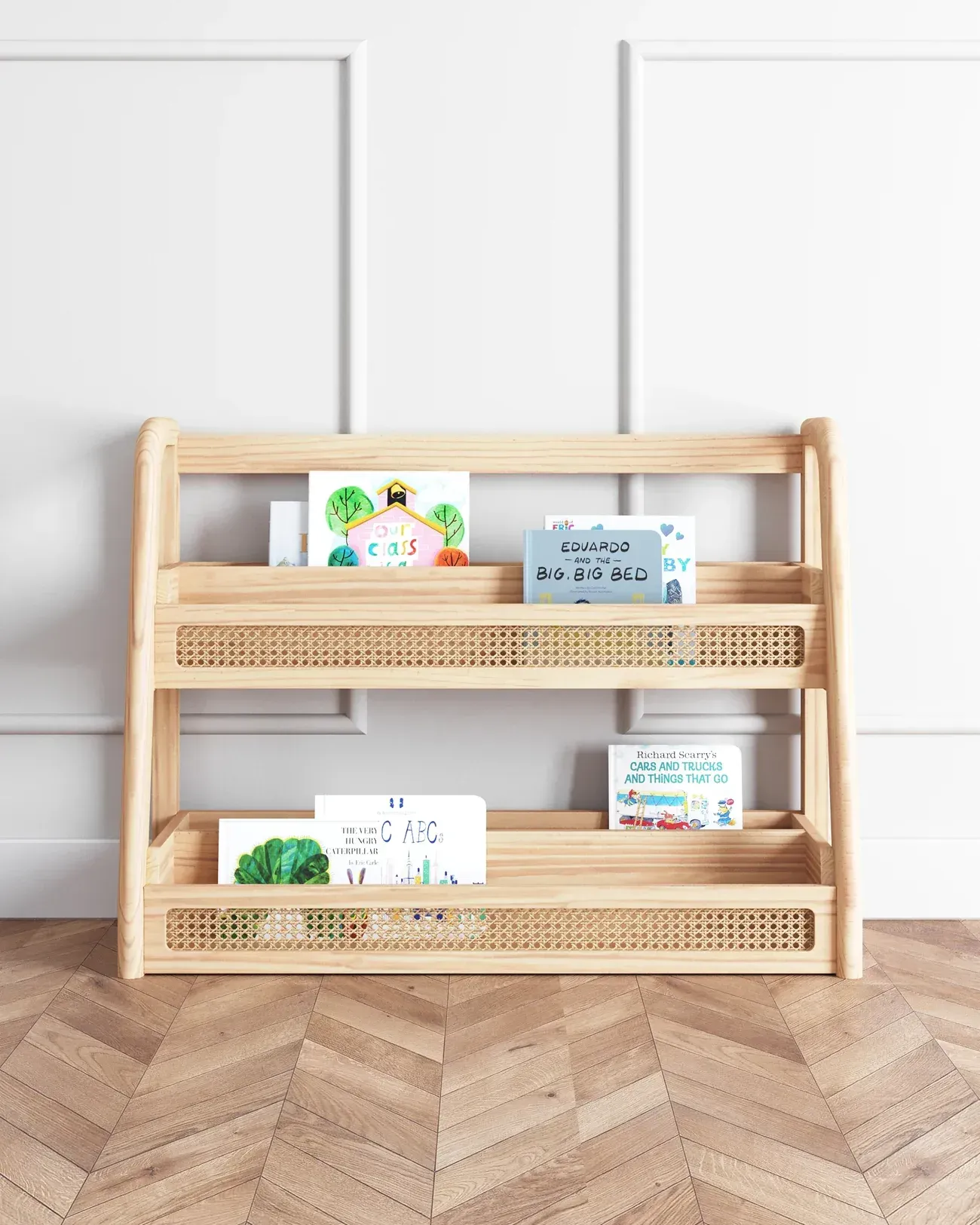
Bookshelves should be low enough so toddlers can reach the books easily, fostering independence and encouraging a habit of self-directed learning. Opt for sturdy, open shelving or a unit with low, wide compartments where the child can easily view the covers of the books. This not only supports independence but also helps children understand the concept of organization.
2. Organize Books by Theme, Size, and Interest
Another hallmark of Montessori environments is order. To help children easily navigate their bookshelf, arrange the books by theme (such as animals, nature, people, seasons, etc.) or by size. This method allows children to naturally understand categories and concepts, promoting their logical thinking skills.
For toddlers, it’s also helpful to organize books by familiar themes (animals, everyday life, simple stories) to help them make sense of the world around them. As children grow older, you can shift to thematic or subject-based organization that aligns with their developing interests.
Ensure that the books are easily accessible, ideally placed in a way that encourages children to take the initiative to put the books back after use. For example, displaying books with their covers facing out helps children recognize the titles and choose the book they want based on the image, which can help build excitement around reading.
3. Choose Books with Real-Life Content Over Fantasy
One of the fundamental principles of the Montessori philosophy is that children thrive when they interact with real, tangible objects. This is why it's so important to include books that reflect the real world. Montessori educators believe that exposure to reality fosters a child’s sense of order, logic, and clarity, which are essential for their cognitive development.
In the first plane of development (ages 0-6), children are in the process of absorbing information from their environment at an astonishing rate. During this period, children do not yet have the ability to distinguish between fantasy and reality. Their minds are focused on absorbing the concrete world around them, and they take in everything as real, without the ability to filter out fantasy from reality. This means that if children are exposed to books that feature magical creatures, imaginary worlds, or fantastical elements, they may internalize these as reality rather than fiction. This can confuse their understanding of the world and hinder the development of clear, logical thinking.
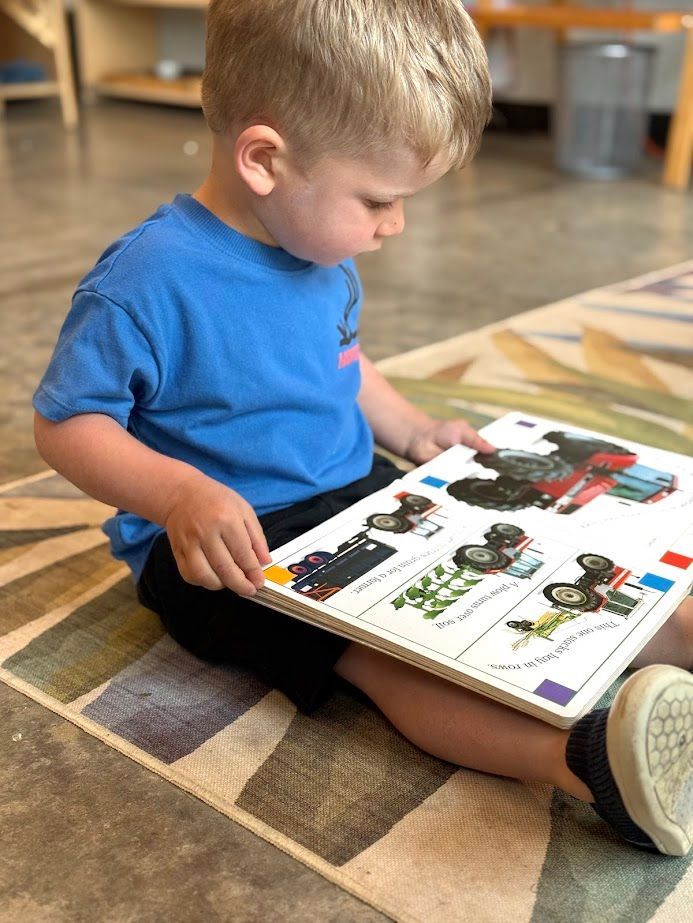
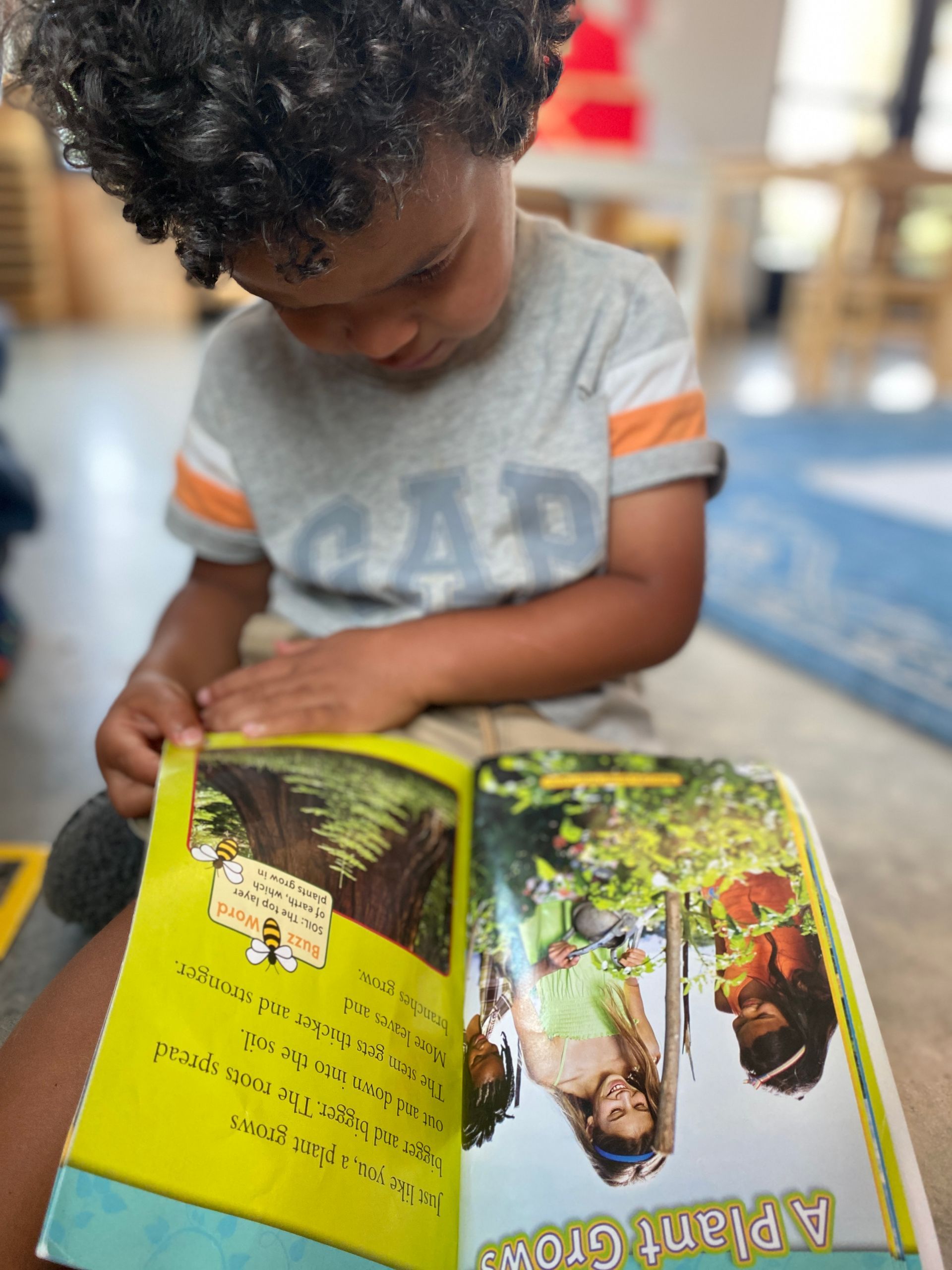
Books with real-life content—such as those about animals, nature, people, and everyday life—help children build a solid understanding of the world. These books should be visually rich, showing children real images or accurate depictions of the world around them, rather than imaginative or fantastical ones. Real-life books, especially those with photographs or authentic illustrations, can enhance a child’s ability to connect with their environment and learn in a concrete way.
As children progress into later stages of development, they will naturally begin to develop the cognitive abilities needed to understand the difference between fantasy and reality. However, in the first plane of development, it’s important to ground their experiences in real, tangible concepts that they can fully comprehend and relate to.
4. Focus on Real Characters
In addition to the real-world content, the characters in the books should also be grounded in reality. Choose books that depict real human experiences, cultures, and emotions. For example, books that showcase real people, both children and adults, help children understand themselves and others, fostering empathy and social awareness.
Characters in books should be positive role models, showing children how to navigate relationships, express emotions, and solve problems. Avoid books with unrealistic characters or exaggerated portrayals, which might confuse children or lead to misconceptions about human behavior and interactions.
5. Include a Variety of Books to Match Developmental Stages
Montessori emphasizes a child’s developmental readiness. As toddlers and primary-aged children grow, their cognitive and emotional needs change, so it’s important to offer a range of books that reflect this growth.
For toddlers, choose simple, sturdy board books with clear images, large fonts, and simple stories that engage the senses and build vocabulary. As they progress into the primary years (ages 3-6), you can introduce slightly more complex picture books and early readers, focusing on stories that mirror real-life experiences and relationships. These books will encourage children to continue developing their language skills, understanding of the world, and ability to relate to others.
6. Rotate Books to Keep Engagement High
One of the keys to maintaining a child's interest in reading is variety. Regularly rotating books on the shelf ensures that the child always has new material to explore. You don't need to overwhelm the child with too many options at once—just a few books that are relevant to their current interests, developmental needs, and growth stages. This can help keep the bookshelf from becoming cluttered, and it encourages the child to engage with each book more deeply.
7. Make the Reading Area Cozy and Inviting
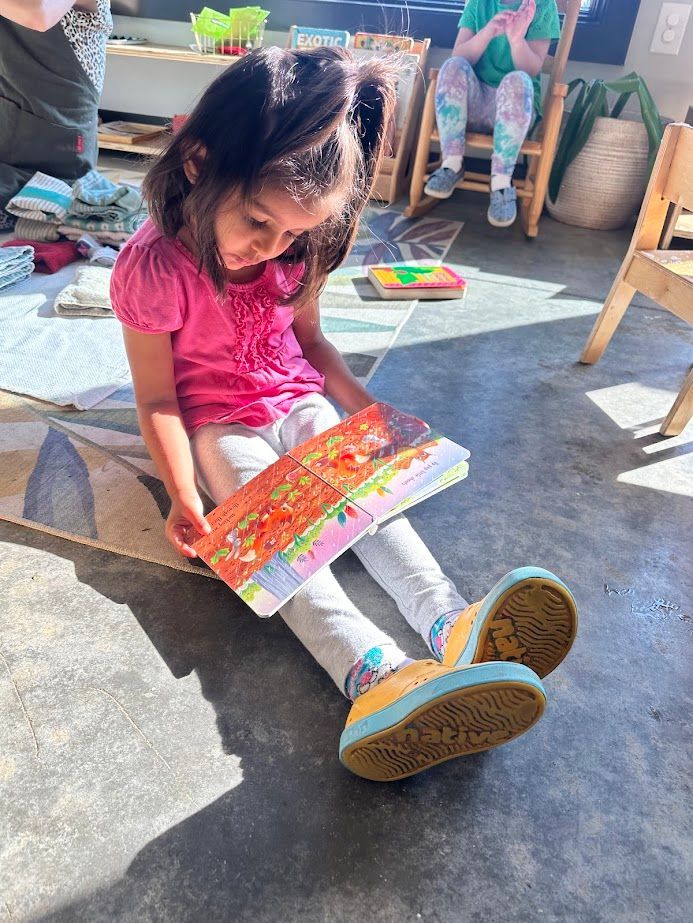
The environment plays a big role in a child’s desire to engage with books. Create a cozy reading nook in the classroom or home where children feel comfortable exploring books. This space could include soft seating, pillows, or rugs to make it inviting. The child’s bookshelf should be a part of this welcoming space, enhancing the experience and promoting regular engagement with books.
Creating a Montessori-inspired bookshelf for toddlers and primary-aged children is not just about providing access to books, but about creating an environment that fosters independence, curiosity, and a love for learning. By carefully selecting books that reflect real-life experiences, displaying them at the child’s level, and ensuring that the environment is organized and inviting, you're not only supporting the child’s intellectual development but also nurturing their emotional growth. Books about the real world and real characters help children connect to their environment in meaningful ways, laying the foundation for their continued exploration and understanding of the world around them.