"Never help a child with a task at which he feels he can succeed."
MARIA MONTESSORI
Montessori Approach to Night Time Toileting
In a Montessori toddler community, we trust deeply in the child’s natural desire for independence—including in toileting. Once a child has transitioned out of diapers during the day, we encourage consistency by remaining out of diapers at night as well. While nighttime dryness may take longer to develop, returning to diapers or pull-ups can create confusion for the child and send mixed messages about their capabilities.
Respecting the Child’s Readiness
Nighttime toileting is a highly individualized process. Dryness during the night depends on neurological maturity and the brain’s developing connections related to toileting. Every child reaches this milestone in their own time. Our role is not to rush, but to observe, support, and trust the natural progression.
Consistency Builds Confidence
Montessori environments thrive on order, routine, and respect for the child’s inner drive to master new skills. Once a child begins wearing underwear, it’s important to continue—both day and night. This consistent message—"You are capable"—reinforces self-trust and body awareness. Switching back and forth between diapers and underwear can interrupt the learning process and create uncertainty.
Nighttime toileting doesn’t require pressure or urgency, but it does benefit from a calm, predictable approach. When we allow children to experience this process without over-prompting or shaming, we foster autonomy and real independence.
Supporting the Process at Home
Here are some Montessori-aligned strategies to support your child through night time toileting in a respectful, prepared, and developmentally appropriate way:
Prepare the Environment for Independence
A thoughtfully prepared environment helps the child navigate night time toileting confidently and safely:
- Use a nightlight to softly illuminate the path to the toilet.
- Keep extra pajamas, underwear, and sheets within reach.
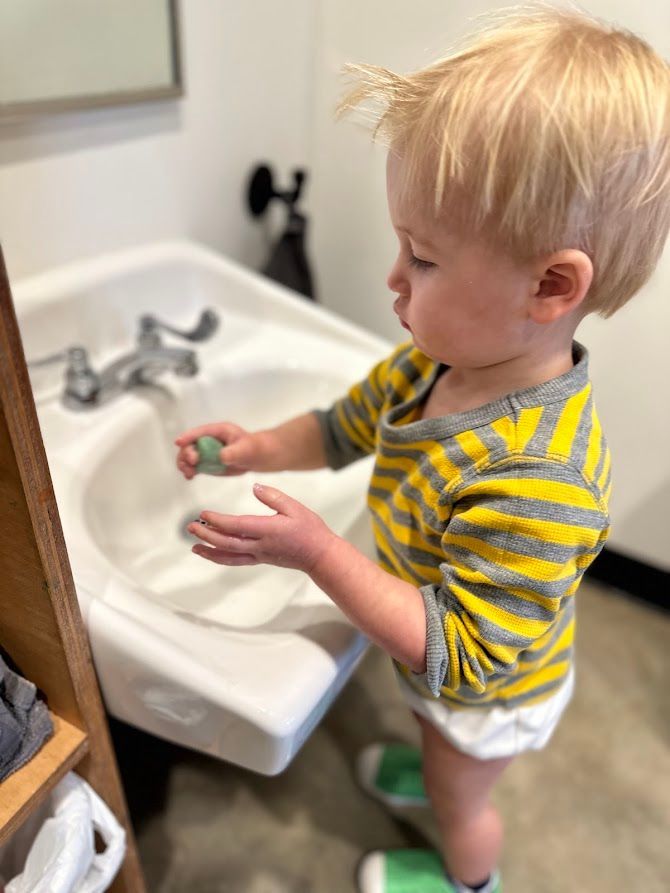
- Provide step stools for the toilet and sink.
- Use a toilet seat insert if needed for stability.
- Offer a reachable dirty laundry basket for soiled clothes.
- Provide a small basket of simple cleaning supplies (e.g., cloths) to support clean-up beyond toilet paper.
- Remove any obstacles or hazards to ensure safe access during the night.
Use Thoughtful Prompting (Then Fade It Out)
Prompting is encouraged at first—but with the goal of independence:
- Begin with a clear expectation: "It's time to use the toilet before bed." (Not optional.)
- Later, transition to a gentle question: “Do you need to use the toilet before bed?”
- Gradually, fade prompts entirely as the child builds the habit and awareness themselves.
Avoid Shaming or Pressure
Accidents are part of learning and should be handled with compassion and neutrality. Avoid using words like “accident” or expressing disappointment. Instead, simply state the fact:
- “You peed/soiled. Let’s help you get dry and comfortable.”
- This keeps the focus on care and problem-solving, not blame or embarrassment.
Involve the Child in Clean-Up
Encouraging children to participate in changing clothes or bedding helps build responsibility and ownership in a respectful way. This practical life activity supports independence and reinforces the child’s competence without shame.
Use Cloth Training Pants or Underwear
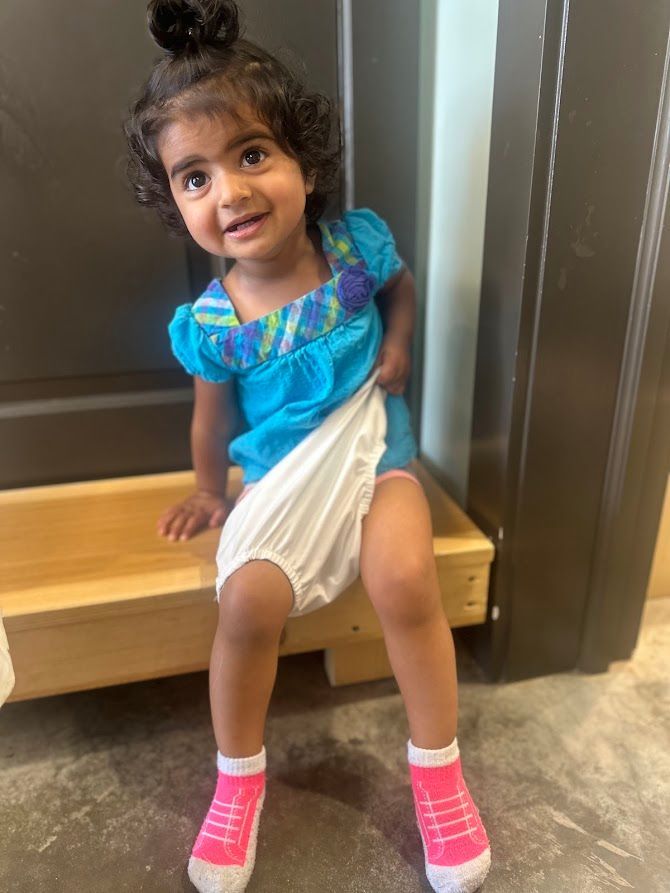
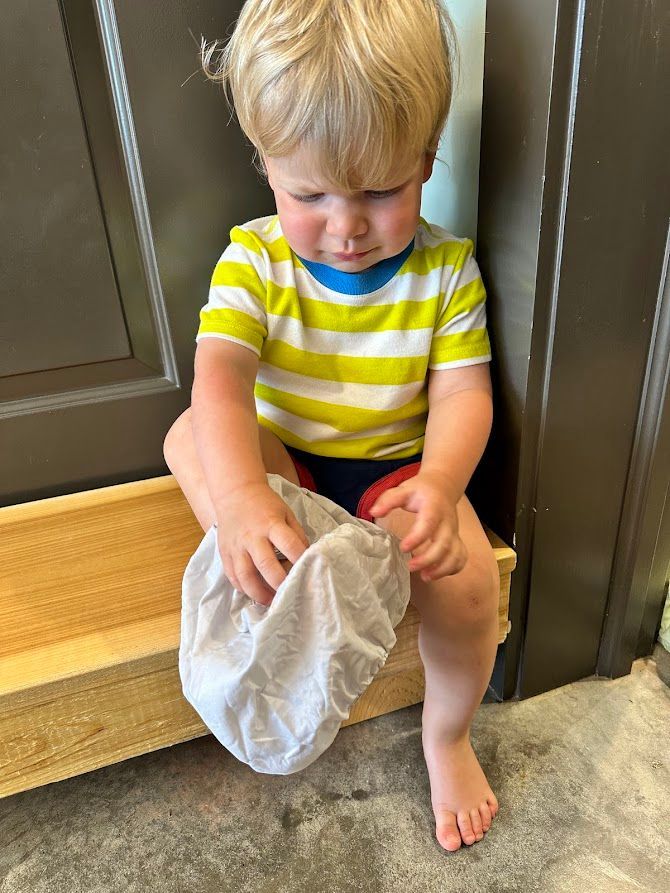
Once the child is in underwear, avoid returning to diapers or pull-ups. Cloth training pants can be helpful—they absorb some moisture but still allow the child to feel wetness, which is important for body awareness and learning.
Trust the Process
Nighttime dryness is a developmental milestone, not a training goal. What’s needed most is patience, trust, and consistency. Children internalize routines and expectations when we offer calm guidance, a prepared environment, and emotional safety.
In Montessori, we view independence as a series of small steps, each one building on the last. Nighttime toileting is one of those steps. By respecting the child’s pace and maintaining consistency, we help nurture not only a new skill—but a deep and lasting confidence in their own abilities.